Title: Understanding the United States Virgin Islands: A Unique Blend of Caribbean Culture and American Governance
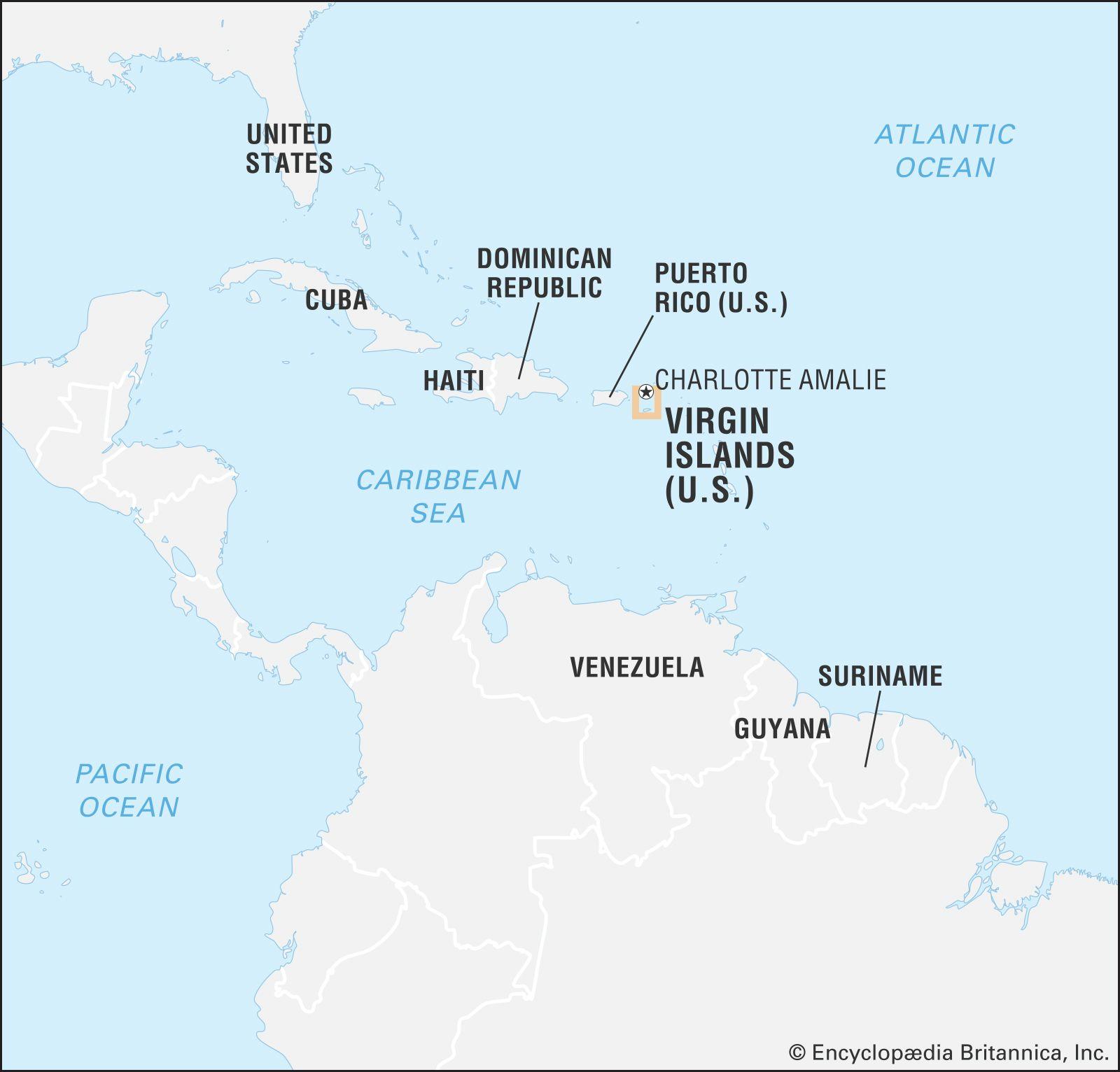
In the heart of the Caribbean, the United States Virgin Islands (USVI) stand out not only for their breathtaking landscapes and vibrant culture but also for their unique status as an unincorporated territory of the United States. This intricate relationship affords the USVI a degree of autonomy while still tethering it to the broader governance of the U.S. Understanding the complexities of this territory-its history, cultural diversity, and contemporary challenges-is essential for appreciating its role within the region and the United States. This article delves into the intricate tapestry of the USVI, examining its political landscape, economic developments, and the enduring influence of both Caribbean traditions and American governance on the islands’ identity. As debates about autonomy and self-governance continue to evolve, the future of the United States Virgin Islands remains a topic of significant interest, inviting exploration into the balance between local aspirations and the broader responsibilities of the U.S. territory.
Understanding the Political Status of the United States Virgin Islands
The United States Virgin Islands (USVI) is an unincorporated territory of the United States, positioned in the heart of the Caribbean. This unique political status means that while the islands are under U.S. sovereignty, they do not have the same rights granted to states in the Union. Residents of the USVI are U.S. citizens, yet they are excluded from voting in Presidential elections, a significant distinction that highlights their semi-autonomous status. Legislative authority is vested in a locally elected legislature, allowing for a degree of self-governance; however, Congress retains the power to override local laws and regulations, maintaining a pivotal role in the territory’s political landscape.
This blending of U.S. law with local governance raises complex issues concerning representation, resources, and rights. The economic model of the USVI heavily relies on tourism and online sales, often dependent on the decisions made by U.S. lawmakers. Key challenges faced by the territory include efforts for increased autonomy and economic diversification, alongside tensions between federal requirements and local needs. The discussion around these topics tends to revolve around several major themes:
- Representation: Limited voting rights impact political engagement.
- Economic Dependency: Reliance on tourism creates vulnerabilities.
- Legislative Authority: Balancing local control with federal oversight.
Exploring Economic Opportunities for Sustainable Development
The United States Virgin Islands (USVI) presents a unique landscape for economic opportunities that align with sustainable development goals. With its rich natural resources and strategic location in the Caribbean, the territory is poised to capitalize on eco-tourism and renewable energy initiatives. The potential for sustainable practices in key sectors can be pivotal in transforming the local economy while preserving its vibrant ecosystems. Local stakeholders are encouraged to consider innovative approaches in areas such as:
- Eco-Tourism: Promoting sustainable travel experiences that educate visitors about the islands’ rich biodiversity.
- Renewable Energy: Investing in solar and wind energy projects to reduce reliance on imported fossil fuels.
- Agriculture: Encouraging organic farming and local food production to enhance food security.
- Green Infrastructure: Developing sustainable building practices that minimize environmental impact.
As the territory seeks to revitalize its economy post-pandemic, collaboration between government entities, private sectors, and community organizations will be essential. By leveraging its unique advantages, USVI can establish a model for others in the region. A focus on sustainable development could lead to increased job creation, better living standards, and a thriving economy that respects and protects the natural environment. The table below illustrates key sectors where investment can lead to growth and sustainability:
| Sector | Investment Potential | Impact on Sustainability |
|---|---|---|
| Eco-Tourism | High | Preserves natural habitats |
| Renewable Energy | Medium | Reduces carbon footprint |
| Agriculture | Medium | Enhances food security |
| Green Infrastructure | High | Minimizes environmental impact |
Strengthening Autonomy: Recommendations for Enhanced Self-Governance
To strengthen self-governance in the United States Virgin Islands, several key recommendations can be considered. These proposals aim to empower local leadership, enhance citizen participation, and foster a sense of community ownership over governmental processes. Notable suggestions include:
- Decentralization of Authority: Shift certain powers and responsibilities from the federal level to local governments, allowing for tailored governance that addresses specific community needs.
- Community Engagement Initiatives: Establish regular forums for public discussion and feedback, ensuring that the voices of Virgin Islanders are heard and considered in decision-making processes.
- Capacity Building Programs: Invest in training and development for local leaders and officials to equip them with the skills necessary for effective governance and constituency service.
Additionally, fostering economic independence through targeted strategies can significantly enhance the territory’s self-governance. Recommendations for achieving economic resilience include:
| Strategy | Description |
|---|---|
| Tourism Diversification | Expand tourism offerings to include eco-tourism and cultural experiences, attracting a wider range of visitors. |
| Local Business Support | Create incentives for local entrepreneurship, helping to build a robust small business sector that thrives on community engagement. |
| Investment in Education | Enhance educational programs aligned with labor market needs, preparing the workforce for both local and global opportunities. |
In Summary
In conclusion, the United States Virgin Islands serve as a unique blend of Caribbean charm and American governance. As a US territory, these islands enjoy a certain degree of autonomy, allowing them to maintain their rich cultural identity while also benefiting from greater federal support and resources. The intricate tapestry of history, politics, and natural beauty makes the US Virgin Islands a captivating subject of study and exploration. Whether you’re drawn to its stunning beaches, vibrant traditions, or complex political landscape, the territory continues to carve out its distinct place in the Caribbean. As discussions around autonomy and governance evolve, the US Virgin Islands remain a focal point for understanding the interplay between local aspirations and national interests.