
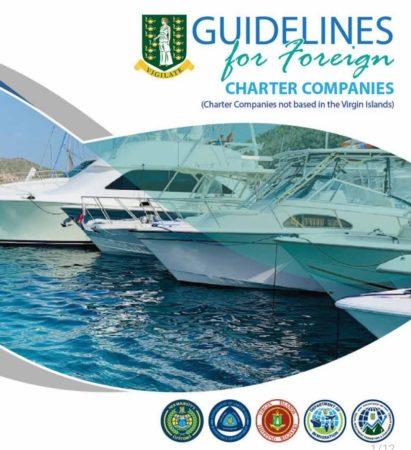
In a significant shift within the Caribbean marine tourism landscape, three charter companies based in the U.S. Virgin Islands (USVI) have opted to relocate their operations to the British Virgin Islands (BVI). This move comes as the Virgin Islands Professional Charter Association (VIPCA) calls for urgent measures to counter recent increases in vessel fees that threaten the competitive viability of the USVI’s charter industry. The decision to relocate underscores growing concerns among charter operators regarding the sustainability of their businesses amid rising costs, prompting discussions about potential retaliatory strategies to protect their interests. As the competitive landscape evolves, the implications for both regions’ tourism economies could be profound, heightening the stakes for local businesses, policymakers, and marine enthusiasts alike.
USVI Charter Companies Seek BVI Opportunity Amid Rising Fees
In a strategic pivot, three charter companies from the U.S. Virgin Islands have announced their relocation to the British Virgin Islands, motivated by the recent surge in vessel fees in the U.S. territory. These companies, aiming to offer competitive and affordable services, believe that the BVI’s favorable regulatory environment and lower operational costs present a viable opportunity for growth. As USVI charter firms shift their base, local tourism stakeholders are concerned about the potential impact on the regional maritime economy.
Furthermore, the Virgin Islands Professional Charter Association (VIPCA) has taken a firm stance in response to the rising fees, calling for immediate retaliation measures. Suggestions include:
- Advocating for legislative review of the fee structure.
- Engaging in dialogue with local government officials about potential subsidies or incentives.
- Promoting awareness campaigns to attract more tourists despite the financial hurdles.
As the U.S. Virgin Islands faces this critical juncture, stakeholders are closely monitoring the developments within the charter market and the actions taken by VIPCA to balance competitiveness with necessary fiscal policies.
VIPCA Calls for Strategic Response as Competition Heats Up
The Virgin Islands Professional Charter Association (VIPCA) has expressed concerns over the increasing competition following the relocation of three charter companies from the U.S. Virgin Islands (USVI) to the British Virgin Islands (BVI). This shift underscores a growing trend that could potentially impact the local charter market significantly. VIPCA officials have called attention to the need for a strategic response to counteract the rising pressure, particularly focusing on vessel fees that have been implemented in the BVI. The association believes that proactive measures should be taken to retain existing businesses and attract new ventures.
As part of its response strategy, VIPCA has outlined several key recommendations to address the challenges posed by the increasing vessel fees in the BVI, which have prompted USVI operators to consider relocation. Among the proposed actions are:
- Advocacy for policy reforms: Engaging local governmental bodies to evaluate and potentially revise current fee structures.
- Enhanced marketing initiatives: Promoting the USVI as a competitive and attractive destination for charter operations.
- Collaboration with stakeholders: Building alliances with local businesses and tourism entities to create synergies that can boost the charter industry.
Analyzing the Impact of Vessel Fee Increases on the Charter Industry
The recent spike in vessel fees has prompted several US Virgin Islands (USVI) charter companies to relocate to the British Virgin Islands (BVI), highlighting the profound impact of economic policies on local businesses. As the Vessel Industry and Personnel Competitiveness Association (VIPCA) advocates for a coordinated response to these fee increases, the shift underscores a growing concern among operators regarding the sustainability of the charter industry in a competitive market. Charter companies find themselves at a crossroads, grappling with the decision to either absorb the rising costs or pass them onto consumers, a choice that could redefine their operational landscape.
Key factors influencing this migration include:
- Financial Viability: Increased operational costs can lead to narrowed profit margins.
- Market Competitiveness: The BVI presents a potentially more favorable regulatory environment, attracting USVI firms seeking better profitability.
- Consumer Demand: Influx of tourists to the BVI may lead to higher potential earnings for charters.
As a response to these developments, a review of charter pricing structures and operational strategies is imperative. Comparing the fee structures of both regions can provide insights into future trends. Below is a simplified table capturing the average vessel fee changes between the USVI and BVI:
| Region | Current Vessel Fee (%) | Projected Increase (%) |
|---|---|---|
| USVI | 15% | 25% |
| BVI | 10% | 5% |
This assessment emphasizes the importance of strategic adaptations in the face of rising costs, with operators in both regions compelled to navigate these economic challenges effectively to ensure their survival and competitiveness in the evolving market landscape.
In Retrospect
In conclusion, the recent relocation of three charter companies from the U.S. Virgin Islands to the British Virgin Islands underscores the growing tension surrounding vessel fees and the economic implications for the local maritime industry. As the Virgin Islands Professional Charter Association (VIPCA) calls for a response to the rising costs that threaten the viability of their operations, stakeholders are urged to consider the long-term impact of these fee increases on both local businesses and the tourism economy. The shifting dynamics in the charter sector underscore the need for strategic discussions and potential policy adjustments to ensure a competitive edge in the region. As developments unfold, the fate of charter operations in the USVI hangs in the balance, prompting ongoing scrutiny from industry leaders and policymakers alike.











