
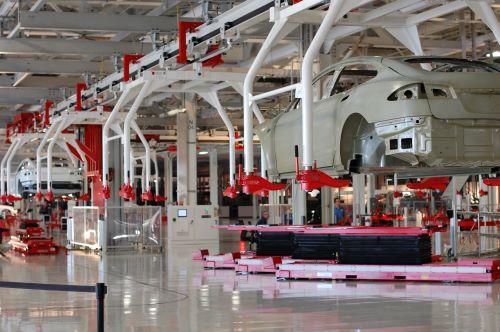
How California Became America’s Manufacturing Leader
In the ever-evolving landscape of American industry, California stands out as a remarkable success story in manufacturing. Once primarily known for its breathtaking landscapes and vibrant cultural scene, the Golden State has transformed into a powerhouse of production, innovation, and technology. Through a unique combination of entrepreneurial spirit, a skilled workforce, and a commitment to sustainability, California has not only embraced traditional manufacturing but has also carved a niche at the forefront of advanced manufacturing techniques. This article explores the key factors that contributed to California’s rise as America’s manufacturing leader, examining the impact of policy decisions, technological advancements, and the undeniable influence of Silicon Valley’s tech boom. As the nation grapples with the challenges of supply chain resilience and economic recovery, California’s journey provides valuable insights into the future of manufacturing in the United States.
Revitalizing Infrastructure and Workforce Development in California’s Manufacturing Sector
As California positions itself as the leading force in manufacturing, a significant focus has been placed on revitalizing infrastructure and enhancing workforce development. State-led initiatives have underscored the importance of modernizing transportation networks, factories, and utilities to support the rapidly evolving landscape of manufacturing. Investments in high-speed rail, improved ports, and advanced logistics systems ensure that California’s goods can move quickly and efficiently, streamlining operations and reducing costs. This infrastructure overhaul is critical, not only for supporting current manufacturing activities but also for attracting new businesses looking for a robust operational base.
Equally important is the commitment to workforce development, bridging the skills gap that often hampers progress in the sector. Collaborative programs between universities, trade schools, and industry leaders are paving the way for a new generation of skilled workers equipped with the necessary technical competencies. Critical areas of focus include:
- Technical training programs tailored to meet the demands of advanced manufacturing technologies.
- Internship opportunities that provide hands-on experience and foster industry connections.
- Reskilling initiatives for displaced workers transitioning from obsolete industries.
These efforts are not only enhancing the quality of the workforce but are also fostering a culture of innovation that is vital for sustaining California’s manufacturing prominence in the years to come.
Innovation and Sustainability: Key Drivers of California’s Manufacturing Renaissance
California’s manufacturing sector is undergoing a transformative shift, propelled by a perfect blend of innovation and sustainability. As companies pivot toward greener practices, they are leveraging cutting-edge technologies to enhance productivity while minimizing environmental impact. The state’s manufacturers are adopting advanced manufacturing techniques such as:
- 3D Printing – Streamlining production and reducing waste.
- Automation – Increasing efficiency and safety in factories.
- IoT Integration – Enhancing data analytics for optimized manufacturing processes.
In addition to technological advancements, sustainability initiatives are becoming fundamental to California’s manufacturing landscape. Many firms are committing to zero-waste goals, utilizing renewable energy sources, and implementing circular economy practices. Here’s a breakdown of some of the key sustainability practices:
| Practice | Description |
|---|---|
| Energy Efficiency | Adopting energy-saving technologies to reduce consumption. |
| Eco-friendly Materials | Using sustainable raw materials to lower carbon footprints. |
| Waste Reduction | Implementing recycling and reuse strategies in production. |
Strategic Partnerships and Government Initiatives Fueling Growth in the Golden State
California’s position as America’s manufacturing powerhouse is significantly bolstered by the state’s strategic partnerships with private enterprises and proactive government initiatives. Through collaboration with industry leaders, educational institutions, and technology innovators, California is redefining its manufacturing landscape. Notable partnerships have emerged within key sectors such as aerospace, biotechnology, and sustainable energy, creating synergies that drive innovation and efficiency. Furthermore, the state’s focus on developing skilled labor through community college programs ensures that the workforce is equipped with the necessary skills to thrive in advanced manufacturing environments.
Government initiatives have also played a crucial role in fueling growth. Programs aimed at fostering entrepreneurship and attracting foreign investment have transformed California into a vibrant hub for manufacturing. Key initiatives include:
- Tax Incentives: Tax breaks for manufacturers that invest in modernization and workforce training.
- R&D Grants: Financial support for businesses engaging in research and development to promote innovation.
- Infrastructure Investment: State funding aimed at improving transport and logistics, enhancing supply chain efficiency.
- Sustainability Efforts: Regulations encouraging environmentally-friendly practices, which also attract eco-conscious investors.
| Partnership Focus | Impact on Manufacturing |
|---|---|
| Aerospace Innovation Hubs | Enhanced R&D and reduced production costs |
| Biotech Collaborations | Accelerated product development cycles |
| Energy Efficiency Programs | Lower operational costs and sustainability |
To Conclude
In conclusion, California’s ascension to the pinnacle of American manufacturing is a testament to its innovative spirit, diverse workforce, and strategic investments in technology and sustainability. As the state adapts to the evolving landscape of global industry, its commitment to fostering growth through research and development, alongside comprehensive support for small and medium enterprises, positions it as a model for manufacturing excellence. The challenges posed by competition and changing market demands further underscore the importance of collaboration among government, industry leaders, and educational institutions. As this dynamic state continues to redefine what it means to be a manufacturing powerhouse, all eyes will be on California to see how it leverages its resources and vision to shape the future of American manufacturing in the years to come.











