
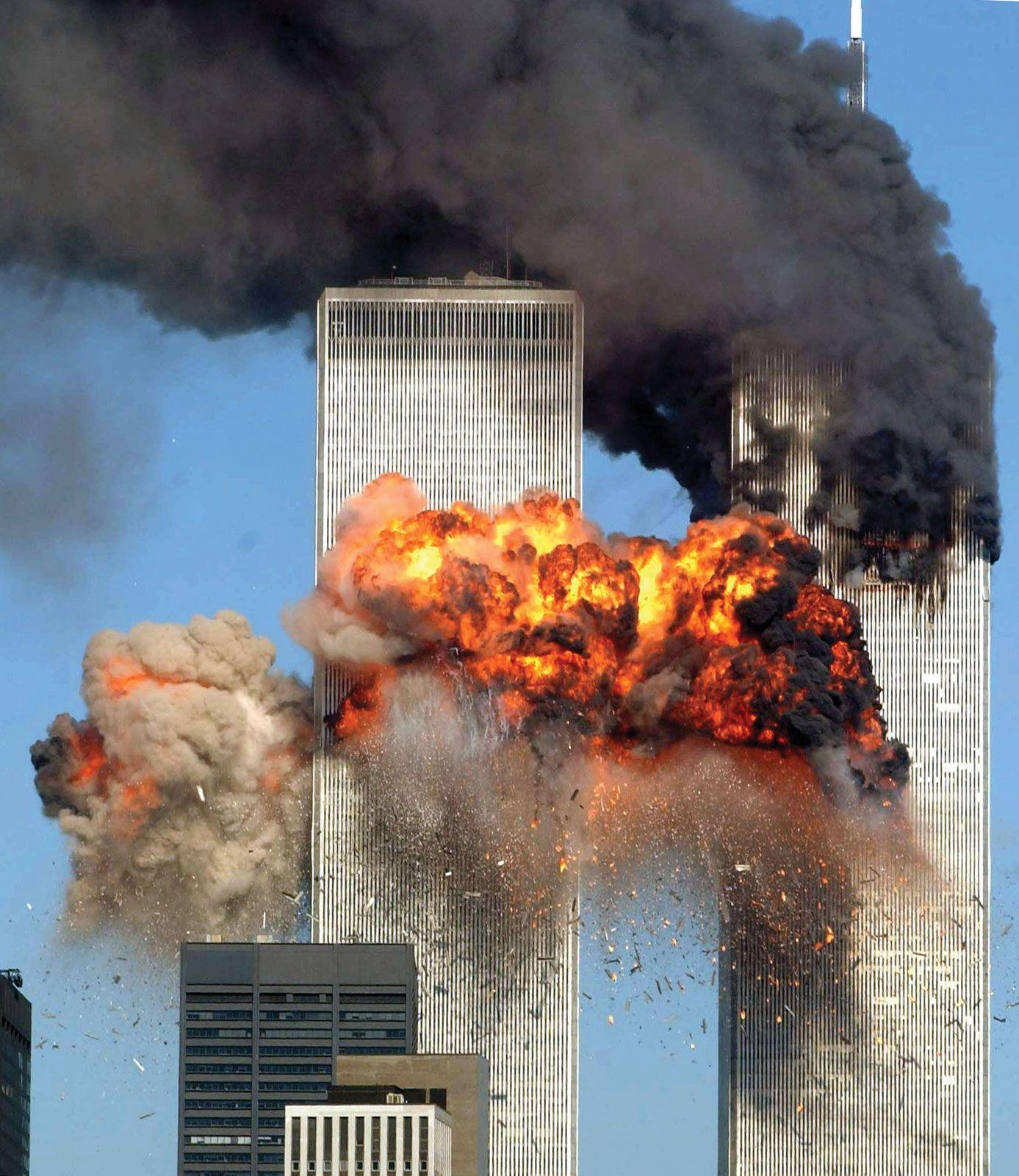
On September 11, 2001, the world witnessed one of the most devastating attacks in modern history, forever altering the course of global events and reshaping international relations. The coordinated strikes by al-Qaeda operatives led to the destruction of the World Trade Center in New York City and significant damage to the Pentagon in Arlington, Virginia, marking a grim chapter in American history. In this article, we delve into the details of that fateful day, examining the events as they unfolded and the profound human toll that resulted from the attacks. With nearly 3,000 lives lost, the repercussions of 9/11 continue to echo through time, influencing policies, security measures, and international relations. Join us as we revisit the harrowing narrative of September 11, exploring not only the chronological sequence of events but also the lasting impact on society and the families forever changed.
Understanding the Events of September 11 and their Profound Impact on Global Security
The events of September 11, 2001, marked a pivotal moment in history, resulting in a seismic shift in global security paradigms. On that fateful day, four commercial airliners were hijacked by terrorists, led by the extremist group al-Qaeda. Two of these planes were flown into the Twin Towers of the World Trade Center in New York City, leading to their eventual collapse, while a third struck the Pentagon. The chaos of the day culminated in a fourth plane, United Airlines Flight 93, crashing in Pennsylvania after passengers attempted to regain control. Overall, the tragic day claimed the lives of approximately 2,977 individuals, making it one of the deadliest terrorist attacks in history.
In the aftermath, nations around the globe reevaluated their security measures, focusing on enhanced counterterrorism strategies. The U.S. enacted the USA PATRIOT Act, broadening law enforcement’s ability to surveil and preempt terrorist activities. This tragic event not only triggered the U.S.-led invasion of Afghanistan but also set off a chain reaction of military actions and policy changes worldwide. Today, the influence of that day continues to permeate discussions on security, civil liberties, and international relations, as governments wrestle with the balance between protection and privacy.
Assessing Casualty Figures and Recommendations for Honoring Victims Through Continued Awareness
Understanding the true impact of the September 11 attacks extends beyond mere numbers; it encompasses the profound loss felt across communities and the nation. The official casualty figures from that fateful day reflect a staggering toll: nearly 3,000 lives lost. Among these, the breakdown includes 2,977 victims directly killed on the day of the attacks and a subsequent number of first responders who have succumbed to related health issues. The emotional and psychological scars left on survivors, families, and friends remain a testament to the enduring legacy of that day.
To honor the memory of those lost, it is essential to foster a culture of remembrance and awareness. Initiatives might include:
- Annual memorials to honor lives lost and emphasize community resilience.
- Educational programs in schools that focus on the significance of September 11, encouraging discussions about peace and tolerance.
- Support systems for victims’ families, ensuring they receive the help and recognition they deserve.
Furthermore, establishing public forums dedicated to discussing the impacts of terrorism and promoting unity can serve as a powerful reminder to future generations. Engaging actively with civic leaders and institutions will help sustain the narrative of remembrance while fostering a compassionate society.
Final Thoughts
In conclusion, the September 11 attacks remain one of the most significant and tragic events in modern history, marked by profound loss and lasting consequences. The coordinated assaults in New York City and Washington, D.C., resulted in the deaths of nearly 3,000 individuals and left thousands more injured, forever altering the lives of countless families and the trajectory of global politics. As we reflect on that fateful day and its aftermath, it is essential to remember not only the victims but also the resilience of communities that came together in the face of unprecedented tragedy. The events of 9/11 serve as a sobering reminder of the fragility of peace and the ongoing challenges we face in ensuring security and fostering understanding in an increasingly complex world. As we continue to navigate the implications of that day, let us strive to create a future rooted in unity and compassion.











