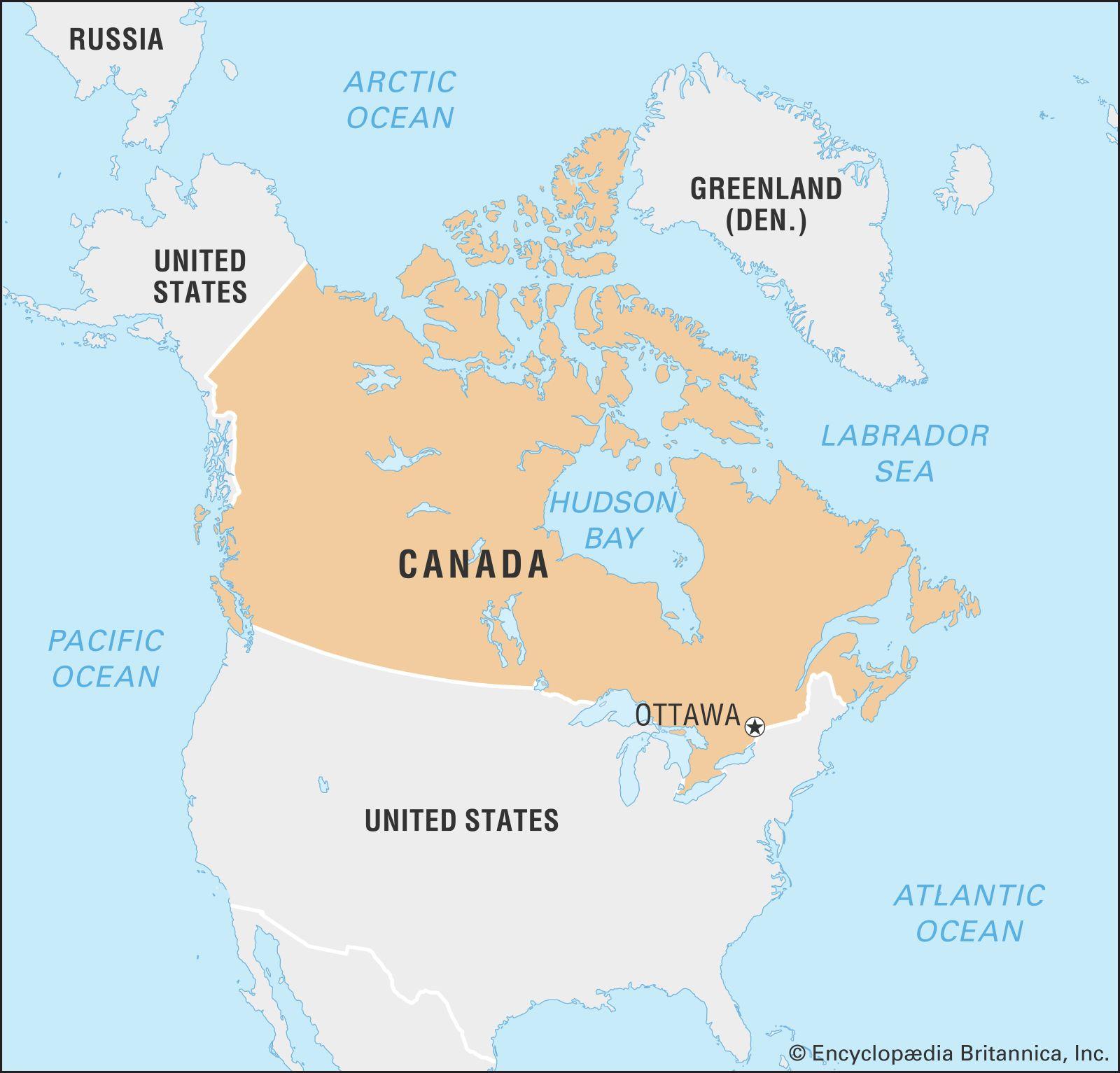
In recent years, Canada has emerged as a magnetic destination for talent, particularly among professionals seeking refuge from the political turbulence south of its border. As contentious debates and policies under the Trump administration sparked widespread concern in the United States, an unexpected shift began to unfold: an influx of skilled individuals eager to relocate to Canada. This phenomenon, often referred to as a “brain gain,” has not only enriched Canada’s workforce but has also ignited discussions about the implications for its economy and cultural landscape. This article explores the factors driving this trend, the profiles of those making the move, and what it means for both Canadian society and the broader dynamics of North American talent migration.
Analyzing the Rise of Intellectual Migration to Canada Amid Political Turmoil
The surge in intellectual migration to Canada can be traced directly to the political climate in the United States, particularly the rise of populist sentiments and divisive policy-making that have driven many to seek refuge in more stable environments. As the U.S. faces internal strife, professionals from various sectors-including technology, healthcare, and academia-are increasingly looking northward. This shift isn’t merely a matter of personal safety; it encompasses a desire for a collaborative and inclusive society that fosters innovation and creativity. In Canada, migrants find strong support systems, a welcoming multicultural ethos, and avenues for professional growth that are less impeded by political turmoil.
Key factors contributing to this brain gain include:
- Political Stability: Canada’s progressive governance contrasts sharply with the turmoil experienced in the U.S.
- Economic Opportunities: With tech hubs in cities like Toronto and Vancouver, there’s a vibrant job market for skilled workers.
- Quality of Life: Canadian cities consistently rank high in livability, drawing individuals seeking a more balanced lifestyle.
This influx of talent not only enriches Canada’s workforce but also stimulates innovation, driving economic growth in various sectors. As universities and research institutions benefit from diverse perspectives, the cultural and intellectual landscape of the nation becomes inherently more dynamic.
| Sector | Top Destination Provinces | Reasons for Migration |
|---|---|---|
| Technology | British Columbia, Ontario | Job opportunities, startup ecosystem |
| Healthcare | Alberta, Ontario | Stable healthcare system, demand for professionals |
| Academia | Quebec, Ontario | Research funding, collaborative environments |
Strategies for Policy Makers to Harness the Benefits of Increased Talent Influx
As Canada experiences an influx of global talent, it is crucial for policymakers to implement strategies that leverage this demographic shift for national growth. One effective approach is to establish clear pathways for integration that facilitate the transition of newcomers into the labor market. This includes enhancing collaboration between educational institutions and industries to align curricula with market needs, fostering partnerships that help skilled immigrants navigate professional certification processes, and providing resources for language training. Such initiatives enable the workforce to fully harness the skills and creativity that newcomers bring, driving innovation and competitiveness.
Additionally, creating a supportive ecosystem for talent retention is paramount. By promoting inclusive policies that celebrate diversity, cities can cultivate a sense of belonging among incoming talent. Offering incentives for businesses that prioritize hiring diverse teams, alongside housing and relocation support, can also make a significant difference. Additionally, investing in community engagement programs can strengthen ties between newcomers and local populations, ensuring smoother integration, fostering collaboration, and maximizing contributions to the economy. The effective implementation of these strategies not only addresses immediate labor shortages but also positions Canada as a leader in global talent attraction.
In Retrospect
In conclusion, Canada’s current influx of talent, often attributed to the political climate in the United States, underscores a significant shift in the realm of global mobility. As highly skilled individuals seek refuge from uncertainty, Canada stands poised to benefit from an enriched workforce that not only drives economic growth but also fosters innovation and cultural diversity. The continuing trend highlights the complex interplay of politics, migration, and opportunity, revealing how external circumstances can reshape national narratives. With its welcoming policies and robust job market, Canada may well emerge as a beacon for those in search of stability and progress-a testament to the profound impacts of geopolitical dynamics on individual lives and national landscapes. As these new residents settle into their new homes, their contributions are likely to play a pivotal role in shaping Canada’s future, making the country not just a bystander, but an active participant in the ongoing global brain gain.