
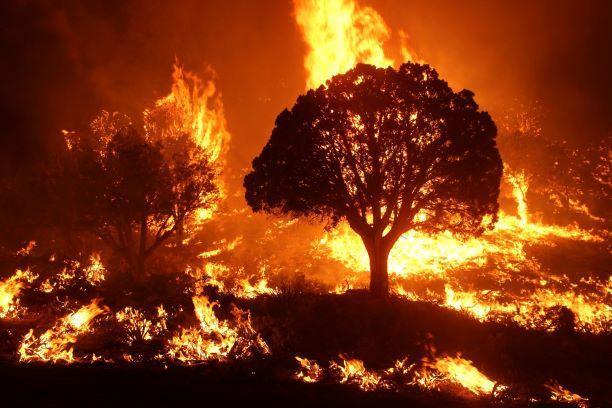
As wildfires continue to ravage vast stretches of Canada, millions of residents are facing health hazards due to deteriorating air quality. A series of air quality alerts have been issued across multiple regions, prompting concerns from health officials and government agencies. The blazes, fueled by hot and dry conditions, have produced thick plumes of smoke that have drifted southward, impacting air quality in parts of the United States as well. Meteorologists are monitoring the situation closely, as firefighters work tirelessly to contain the flames. In this article, we will explore the latest developments surrounding these wildfires, the implications for public health, and the ongoing efforts to combat the spread of the flames.
Millions at Risk: Understanding the Health Impacts of Canada’s Wildfires on Air Quality
The overwhelming smoke and pollutants from the wildfires across Canada have triggered air quality alerts affecting millions. As flames engulf vast areas of forest, the wind carries harmful particulate matter across provinces and into urban centers. This alarming situation has led to reports of increased respiratory issues among residents, particularly among vulnerable groups such as children, the elderly, and those with pre-existing health conditions. Health officials are urging citizens to limit outdoor activities during peak smoke hours to mitigate exposure to hazardous air quality levels.
Health impacts associated with deteriorating air quality include:
- Respiratory problems: Increased cases of asthma attacks and chronic bronchitis.
- Cardiovascular issues: Elevated risk of heart attacks and strokes due to inflammation triggered by pollutants.
- Mental health concerns: Heightened anxiety and stress levels are linked to smoke exposure and environmental stressors.
| Health Concern | Description |
|---|---|
| Short-term Effects | Irritation of the eyes, nose, and throat; increased coughing. |
| Long-term Effects | Adverse impacts on lung function and potential development of lung disease. |
As the situation evolves, authorities continue to monitor air quality levels and issue recommendations. Public health agencies are emphasizing the importance of keeping indoor environments clean and utilizing air purifiers where possible. Communities across the affected regions are rallying together to address the ongoing crisis, hoping for a break in the relentless cycle of wildfires that threaten both the environment and human health.
Guidelines for Staying Safe: Recommendations for Individuals Amid Ongoing Air Quality Alerts
As air quality alerts continue to affect millions, it is essential for individuals to take proactive steps to safeguard their health. Stay indoors as much as possible, particularly during peak pollution times when smoke and particulate matter densely populate the air. Keeping windows and doors closed, along with using HVAC systems set to recirculate air can significantly reduce indoor pollution levels. If going outside is unavoidable, wearing an N95 mask can help filter out harmful particles, thus providing an extra layer of protection.
Additionally, staying informed is crucial. Monitor local air quality reports via trusted sources to understand when it is safe to go outside. Creating an emergency plan that includes supplies such as water, non-perishable foods, and medications can also be beneficial. For those with existing respiratory conditions, ensure you have an adequate supply of medications and maintain regular communication with your healthcare provider. The following table outlines additional recommendations for staying safe during this challenging time:
| Safety Tip | Description |
|---|---|
| Hydrate | Drink plenty of water to stay hydrated and help your body cope with poor air quality. |
| Limit Physical Activity | Avoid strenuous activities, especially outdoors, to minimize exposure to harmful air pollutants. |
| Use Air Purifiers | Utilize HEPA air purifiers if possible to reduce indoor air contaminants. |
Wrapping Up
As the wildfires in Canada continue to blaze across vast areas, millions of residents in the United States and Canada remain under air quality alerts, prompting health officials to issue warnings about the dangers of inhaling hazardous smoke. The situation has drawn attention to the increasing frequency and intensity of wildfires, which experts attribute to climate change and land management practices. As communities grapple with the immediate impacts and seek ways to protect public health, the broader implications of these wildfires raise urgent questions about environmental policies and climate resilience. With no end in sight, authorities have urged individuals to stay informed, limit outdoor activities, and take precautions to safeguard their health. The ongoing situation serves as a stark reminder of the challenges posed by natural disasters in our changing climate, highlighting the need for collective action to address the underlying causes and adapt to the new realities of living in a world increasingly affected by extreme weather events.











