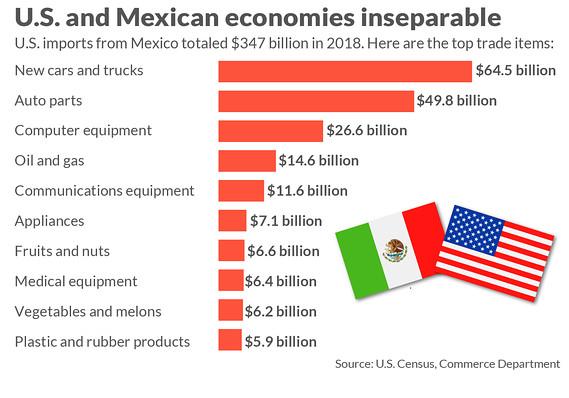
In a significant development for North American trade relations, Mexico has recently secured a reprieve from impending tariffs that were initially set to impact its economy. This decision has sparked important discussions about the differing treatment of Mexico and Canada under the current U.S. trade policies. While Mexico’s exemption serves as a testament to its strategic partnerships and economic ties with the United States, Canada’s lack of similar relief raises questions about its standing in trade negotiations. This article delves into the reasons behind Mexico’s tariff reprieve, contrasts it with Canada’s situation, and explores the broader implications for both countries amidst an evolving economic landscape.
Analyzing the Factors Behind Mexico’s Tariff Relief in Contrast to Canada’s Ongoing Trade Challenges
Recent developments highlight a stark contrast in trade dynamics between Mexico and Canada, especially regarding tariffs currently imposed by the United States. While Mexico has successfully garnered relief from certain tariffs, Canada continues to grapple with ongoing trade challenges that impact its economy. Several factors have contributed to this disparity, including:
- Political Relationships: Mexico’s diplomatic ties with the U.S. have played a crucial role in influencing tariff negotiations, with a focus on strengthening economic collaborations.
- Manufacturing Resilience: The Mexican manufacturing sector, especially in the automotive industry, has adapted quickly to changing demands, showcasing a flexibility that aligns with U.S. interests.
- Trade Agreements: Mexico’s active involvement in trade agreements such as the USMCA has positioned it favorably in negotiations, unlike Canada’s more contentious progress in dealing with similar issues.
In contrast, Canada faces a complex web of challenges, driven by both internal and external factors. Despite its robust resource sector, Canada has struggled to negotiate favorable trade terms, largely due to:
- Resource Dependency: The Canadian economy’s reliance on natural resources limits its leverage in discussions with the U.S., which may prioritize other economic sectors.
- Market Access Issues: Certain Canadian exports are still heavily taxed, creating barriers that hinder competitiveness in the U.S. market.
- Regulatory Constraints: Canadian regulations in trade practices have been more rigid, which complicates adaptation to evolving U.S. market demands.
| Factor | Mexico | Canada |
|---|---|---|
| Political Relationships | Strong ties with the U.S. | Contentious discussions |
| Manufacturing Adaptability | High flexibility | Slow adaptation |
| Trade Agreements | Favorable USMCA position | Challenging negotiations |
Exploring Strategic Recommendations for Canada to Mitigate Future Tariff Risks and Enhance Trade Relations
As Canada navigates the complex landscape of international trade, it becomes increasingly imperative to adopt forward-thinking strategies to mitigate potential tariff risks. Learning from recent developments, including the circumstances that led to Mexico securing a tariff reprieve while Canada did not, presents an opportunity for policymakers to rethink their approach. Key strategies might include:
- Diversifying Trade Partnerships: Strengthening existing relationships and exploring new trade agreements, particularly with emerging markets, can reduce dependency on specific countries.
- Enhancing Domestic Production: Investing in local industries to foster self-sufficiency can shield Canadian businesses from external tariff impacts.
- Leveraging Technology in Trade: Utilizing advanced trade facilitation technologies can streamline processes and improve competitiveness on the global stage.
Additionally, fostering relationships with multilateral organizations and engaging in proactive diplomatic dialogues may buffer Canada against sudden tariff implementations. A focus on industry-specific support systems and continuous dialogue with trade partners will be crucial in this regard. A summary table highlighting potential trade relationships and their benefits could further illustrate strategic priorities:
| Country/Region | Potential Benefits |
|---|---|
| European Union | Access to diverse markets and reduced tariffs. |
| Asia-Pacific | Dynamic consumer base and technology exchange. |
| Latin America | Strengthened supply chains and resource sharing. |
Wrapping Up
As discussions surrounding trade tensions continue to evolve, the contrasting outcomes for Mexico and Canada regarding tariff relief underscore the complexities of international economic policy. While Mexico’s reprieve reflects a strategic maneuver in a broader diplomatic landscape, Canada’s situation highlights the ongoing challenges it faces in negotiations with its largest trading partner. The implications of these developments are far-reaching, not only for the economies of North America but also for the future of trade relations in a rapidly changing global market. As stakeholders on both sides of the border assess the ramifications, the differing paths taken by these two nations serve as a poignant reminder of the intricate interplay between politics and trade. Staying informed on these matters will be crucial as the landscape shifts and evolves in the months to come.