
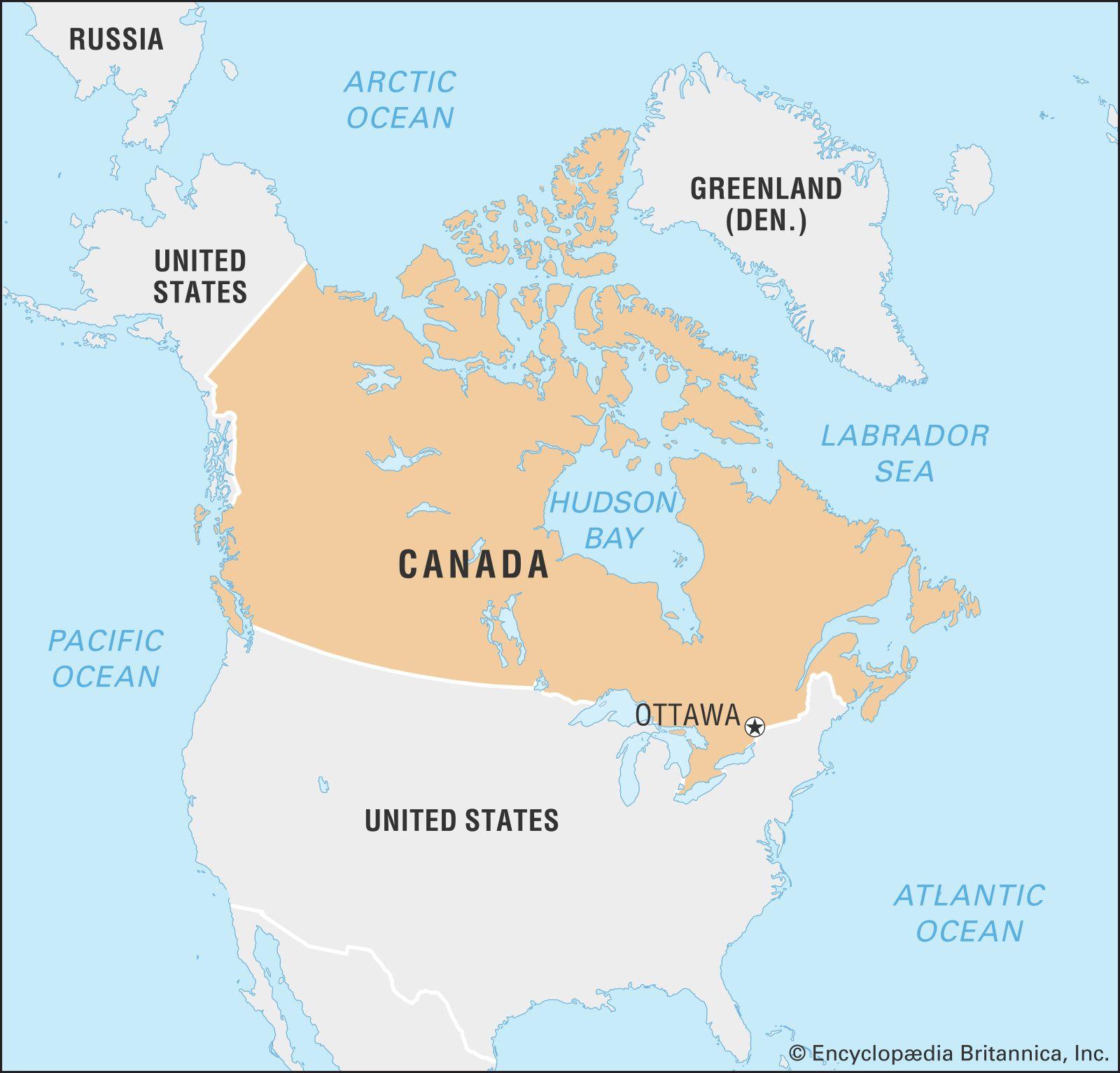
In recent years, Canada has often been portrayed as a pristine, trouble-free alternative to its southern neighbor, the United States. The image of a welcoming, stable, and progressive nation has resonated with many Americans, especially during times of political turmoil and social unrest. However, beneath this veneer lies a complex reality that challenges the notion of Canada as a utopia. From rising public discontent over issues like healthcare access and housing affordability to persistent systemic inequalities and political polarization, Canada faces its own set of challenges that cannot be overlooked. As both nations grapple with their unique struggles, it is essential to dig deeper and examine why Canada may not be the idyllic refuge some believe it to be. This article explores the multifaceted issues facing Canada today, revealing that the grass isn’t always greener on the other side of the border.
Understanding Canada’s Unique Challenges in Comparison to America
Canada often shines in the eyes of those seeking an escape from America’s political turbulence and social unrest. However, beneath its veneer of tranquility, the country faces a series of unique hurdles that set it apart from its southern neighbor. While Canadians enjoy universal healthcare and a stable political landscape, they grapple with challenges such as high living costs, regional disparities, and a considerable reliance on natural resources, which can trigger economic instability. These factors have ignited debates on affordability and access, raising questions about whether Canada is as idyllic as it seems.
Additionally, social issues in Canada are nuanced and complex. The country is committed to multiculturalism, yet it continues to confront debates surrounding Indigenous rights and integration, with systemic inequalities persisting in various communities. Furthermore, the impact of climate change is acutely felt, necessitating significant policy shifts to safeguard both the environment and economy. As Canada strives for progress, it must navigate these multifaceted challenges, which can often mirror or even echo the contentious issues seen in America.
Practical Steps for Navigating the Complexities of Canadian Life and Policy
Understanding Canadian life and policy requires a multi-faceted approach, particularly for those accustomed to the American system. Here are some practical strategies to effectively navigate this complexity:
- Research Local Regulations: Familiarize yourself with provincial and municipal regulations, as they can vary significantly across Canada. Each province has its own set of laws and policies that may affect everything from healthcare to business practices.
- Engage with Communities: Actively participate in local networks and immigrant communities, which can provide valuable insights and support. This is especially useful for newcomers seeking to adapt to cultural nuances.
- Consult Experts: Consider hiring local professionals such as immigration consultants or tax advisors who understand the intricacies of Canadian systems. Their expertise can save time and avoid costly mistakes.
Furthermore, it’s crucial to stay informed about the broader socio-political landscape, which can influence personal and professional decisions. For example, the following table outlines key areas where Canadian policies may differ from those in the U.S., affecting daily life:
| Aspect | Canada | United States |
|---|---|---|
| Healthcare | Publicly funded system; no direct charges for medical services | Primarily private; insurance costs can vary widely |
| Gun Control | Strict regulations; licensing and registration required | More lenient laws; Second Amendment protections |
| Taxes | Higher overall taxes; more comprehensive social services | Lower taxes, but less universal coverage for services |
By approaching these complexities head-on, individuals can better position themselves within Canada’s unique milieu and make informed decisions that align with their personal and professional goals.
Future Outlook
In conclusion, while Canada is often portrayed as a serene alternative to its southern neighbor, the reality is far more complex. From economic disparities and social tensions to the challenges of governance and identity, Canada faces its own set of significant hurdles. It is crucial for those seeking refuge or opportunity to recognize that the allure of the Canadian experience may come with nuances that differ starkly from expectations. As discussions surrounding migration and lifestyle choices continue to evolve, understanding the multifaceted nature of life in Canada will be essential for anyone considering a move. As the United States grapples with its own issues, it is clear that Canada, too, has its share of challenges that cannot be overlooked. The idealization of a trouble-free Canada serves only to obscure the realities faced by its citizens and newcomers alike, making it imperative to engage with these complexities in an informed way.









