Kamal Miller celebrates as the USMNT are beaten at BMO Field (John Dorton/ISI Photos/Getty Images)
But Canada still positioned themselves as an underdog in the 2022 World Cup. Canada’s poor showing in Qatar was the beginning of the end of Herdman’s tenure and evidence that change was needed within the program. Canada was full of talent and athleticism, but aggression was not a constant in their game.
Maybe, just maybe, adopting the kind of stereotypical American values — unyielding confidence, asserting physical dominance to shift results — wouldn’t be the worst thing for the Canadian teams.
Kevin Blue took over as Canada Soccer general secretary in February 2024. Hiring a new men’s team head coach was his top priority. Part of what he identified in talking with the hundreds of people throughout Canadian soccer after his hire was that the men’s national team needed more fight, more grit, more tenacity. More, essentially, of the intangible qualities that can separate great teams who don’t fold in pressure-packed tournaments and teams that wilt when they go down a goal.
International soccer, of course, lacks the “Ah, we’ll get ’em next time” mentality that can exist in club soccer. There, losses can sometimes be treated as learning experiences in a long season. Internationally, one lost game can be the difference between an organization pulling in millions of dollars in prize money or multiple people losing their jobs.
Enter Marsch, who Blue persuaded to take the job.
Part of what Blue saw was someone who could raise the level of pride, intensity and audacity within the team.
“Are they too likeable in some ways? Yes,” Marsch described his team to OneSoccer ahead of Copa America. “I found Canadians to be very amicable and respectful and kind and that’s great. But that doesn’t always make the best football team, right?”
Marsch was originally taken aback at how politely his Canadian players sometimes received criticism and information about their playing time. He had come from an environment where players were used to fighting for their positions and would react with hostility when things didn’t go their way. It was a sign of a player wanting desperately to fight for their spot in the squad.
But his Canadian players didn’t respond that way early in his tenure.
Marsch wanted to see more nastiness. More pride that would manifest in confidence to change a game. He wanted his players to start barking back. Both at him and at the rest of the world. He challenged them with the kind of physicality in training sessions they’d rarely experienced.
In short, Marsch wanted more of the kind of traits Canadians didn’t always show against American neighbours who often did. Marsch had seen enough talent in his ranks to ask his team openly: “Why should we think of ourselves as the underdogs any longer?”
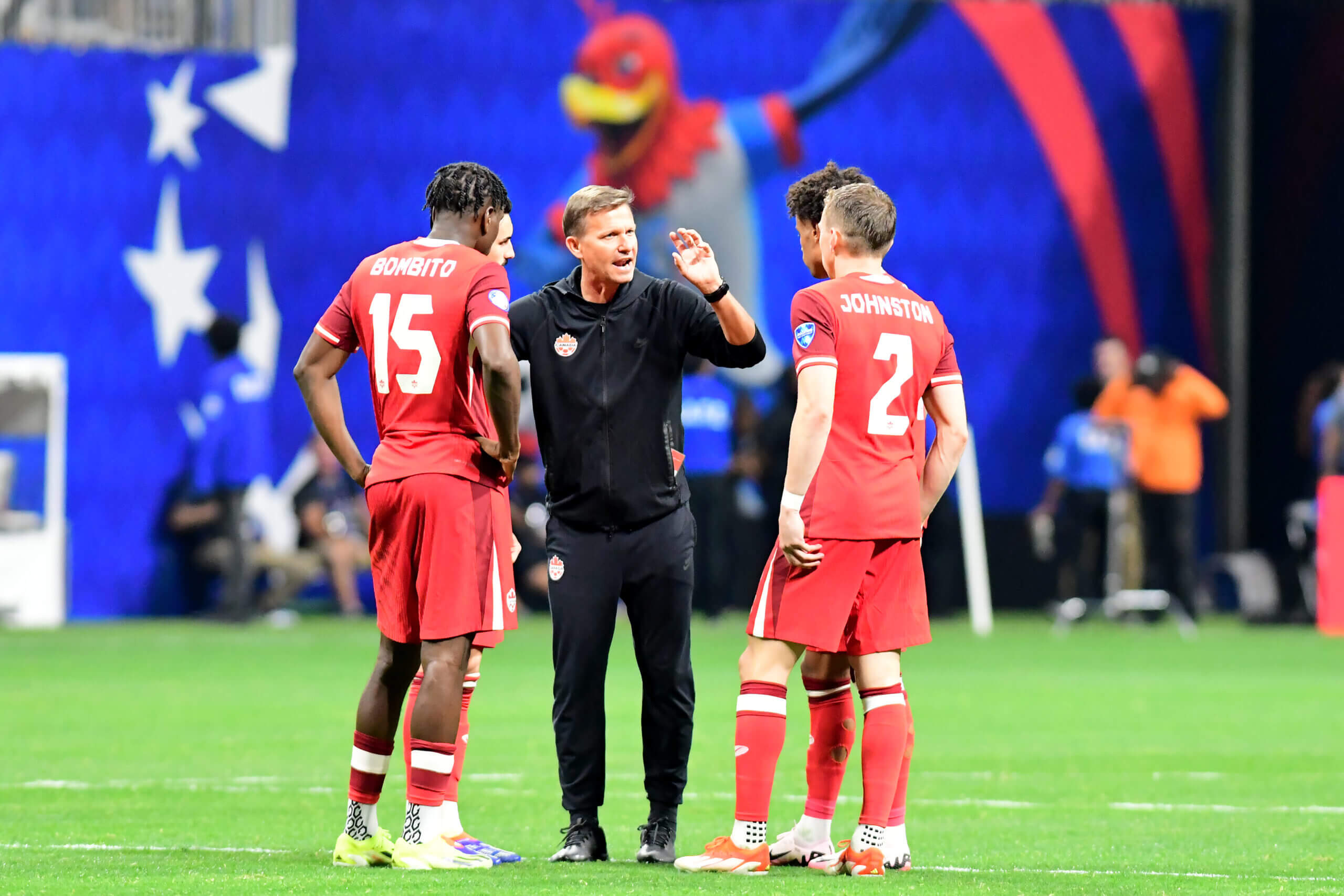
Marsch instructs his Canada players (Perry McIntyre/ISI Photos/Getty Images)
He encouraged his players to hold themselves in a higher esteem and elevate their games both at home and abroad. Less plucky, more Alpha.
“Screw that, let’s go at these teams,” Canada defender Alistair Johnston remembers Marsch telling his new team ahead of Copa America.
Johnston described Marsch’s style as “Rock and roll, Red Bull-drinking, here we go, go on the front foot and punch you in the mouth and there’s not going to be any pleasantries.” That sounds like the antithesis of a nation that generally prides itself on its politeness. It was a style players craved.
“I think that fits us like a glove,” Johnston said.
In gritty Copa America wins over Peru and Venezuela and a resolute performance against World Cup champions Argentina that should have yielded a different result, Canada showed elevated levels of self-confidence. They looked like a CONCACAF team who could go head-to-head with South American sides in a way that previously only the U.S. and Mexico could.
“We played with arrogance and that’s something that Jesse brought in,” Johnston said.
Now, as Canada expect to play the USMNT more and more through 2025 (a lack of 2026 World Cup qualifiers for both nations makes it a foregone conclusion), Marsch will try to continue to coax more swagger out of his team.
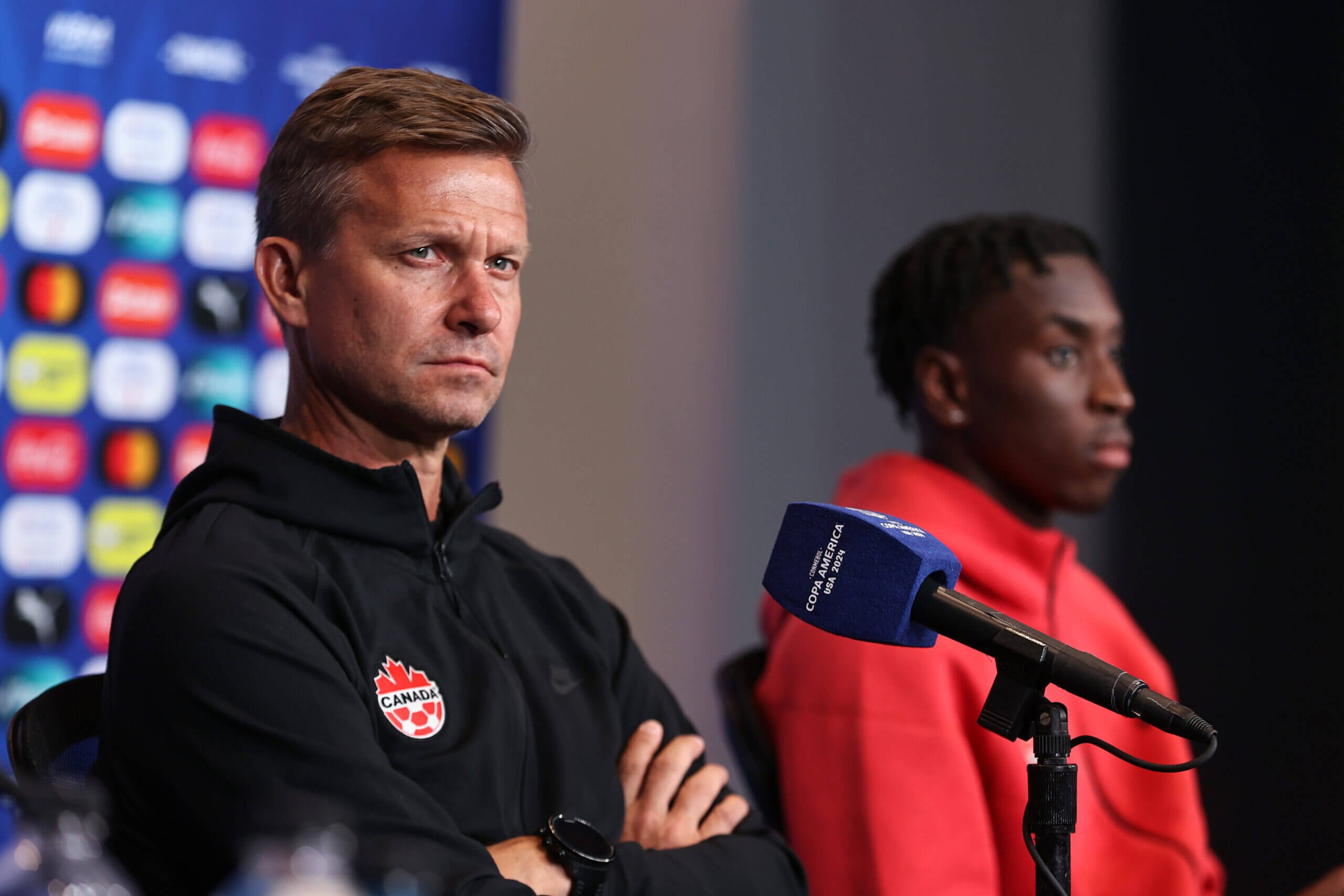
Marsch is intent on coaxing more swagger from Canada (Omar Vega/Getty Images)
Marsch, of course, is not afraid of speaking his mind. How many coaches would state, days before playing a team for the first time, that they would win with a very specific scoreline? That’s the kind of swagger and arrogance Marsch wants to see more of from his players given how much they’ve improved as of late.
“We need to elevate the status of (Canada Soccer),” Marsch said on the Golazo podcast.
By looking and sounding more and more like the team they’re set to face, Marsch is seeing his team do just that. Canada’s loss to the USMNT in the 2023 Nations League final was humbling. They hardly showed the necessary levels of self-confidence to compete in a final. And, to this day, many members of the national team have been seeking revenge against the U.S.
Or, at the very least, to show how they can try to beat the Americans at their own game.
“The U.S. has established itself as the best team in the region, even though Canada won the qualifying group for the World Cup stage,” Marsch said. “I still think that everyone knows that with the resources, with the size of the country, with the establishment of what the sport has been in the United States, that this is a big measuring stick for us.”
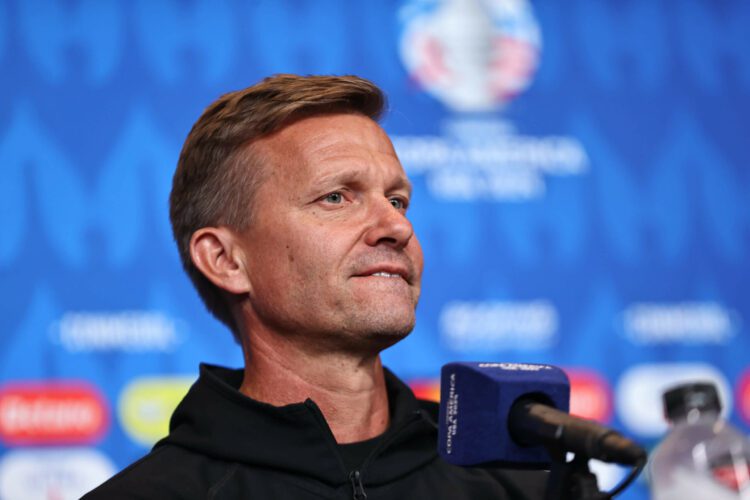
(Top photo: Omar Vega/Getty Images)
Source link : http://www.bing.com/news/apiclick.aspx?ref=FexRss&aid=&tid=66dc1bbb86834adab49719f2a62b5583&url=https%3A%2F%2Fwww.nytimes.com%2Fathletic%2F5751149%2F2024%2F09%2F07%2Fmarsch-canada-usmnt%2F&c=8431678276662056086&mkt=en-us
Author :
Publish date : 2024-09-06 21:43:00
Copyright for syndicated content belongs to the linked Source.