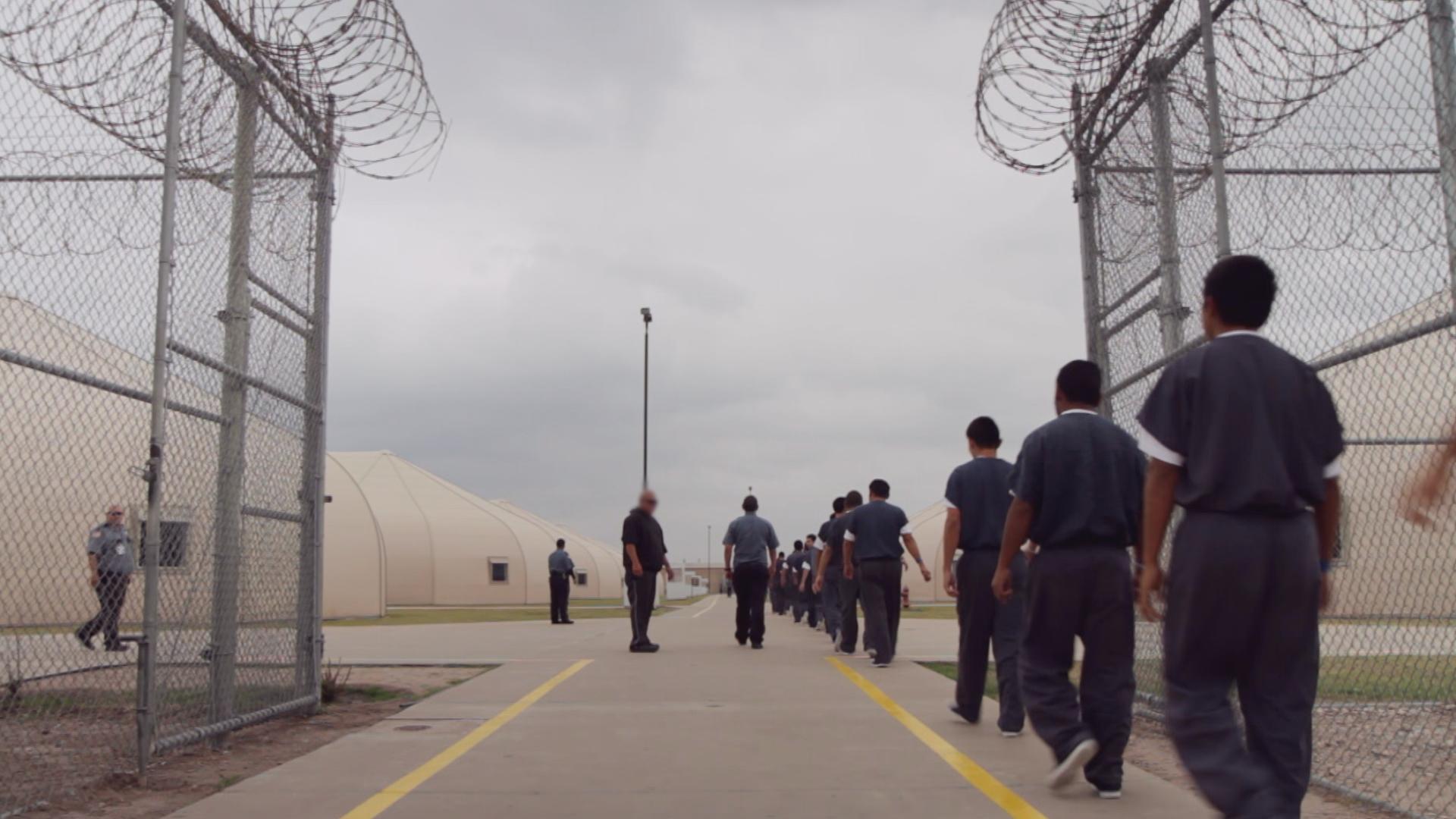
In recent months, the United States has seen a marked increase in the detention of European and Canadian tourists at its borders, sparking widespread concern and fear regarding travel to America. Instances of prolonged questioning, anxiety-inducing delays, and in some cases, denial of entry have led many prospective visitors to reconsider their plans. This unsettling trend has raised alarm not only among those directly affected but also within international travel communities, as travelers express apprehension about potential biases or misinterpretations during border interactions. With tourism being a vital component of the U.S. economy and the longstanding tradition of openness to visitors from around the world, this shift raises critical questions about the implications for diplomatic relations and the overall perception of the United States as a welcoming destination. As scrutiny intensifies, both travelers and industry experts are urging a reassessment of border policies that could deter tourism and reshape America’s image abroad.
Rising Concerns Among European and Canadian Tourists Over U.S. Detention Practices
The growing unease among European and Canadian travelers regarding the treatment they may face upon entering the United States has become a pressing issue. Recent reports highlight instances where tourists from these regions have been detained at borders, subjected to rigorous questioning, and even denied entry. Many find this alarming and are questioning the overall safety of their travels to the U.S. Concerns primarily stem from a perception of shifting immigration policies and the erratic enforcement of rules that appear to disproportionately affect overseas visitors.
Highlighted by advocacy groups, the key concerns include:
- Inconsistent Policy Enforcement: Travelers are unsure of which regulations apply, leading to confusion and anxiety.
- Fear of Discrimination: Reports of profiling based on nationality amplify the apprehension felt by potential tourists.
- Lack of Support: Many feel that adequate support is not available in case they experience wrongful detainment.
| Country | Percentage of Respondents Concerned |
|---|---|
| Canada | 67% |
| Germany | 72% |
| France | 70% |
This climate of fear has led to an increase in calls for reform from both European and Canadian officials, urging the U.S. to clarify its entry policies and improve the treatment of tourists. Travelers now find themselves evaluating alternative destinations, marking a potential shift in tourism patterns that could have long-term economic implications for the U.S. tourism industry.
Strategies for Travelers to Navigate U.S. Entry Amid Increased Scrutiny
As heightened scrutiny at U.S. entry points becomes commonplace, travelers from Europe and Canada must adopt measures to ensure a smoother transition through border control. It’s vital for visitors to familiarize themselves with the current immigration policies and travel restrictions. Planning ahead can make a significant difference, as documented travel plans and accommodations may be requested by customs officers. Below are key strategies to consider:
- Have all documents ready: Passports, visas (if applicable), and any required travel authorizations should be easily accessible.
- Be concise and honest: When questioned, provide clear and direct answers to any inquiries made by border officials.
- Know your itinerary: Be prepared to present details regarding your stay, including lodging and activities planned during your visit.
- Stay informed on current events: Awareness of diplomatic relations and travel advisories can help travelers navigate potential challenges.
- Avoid controversial topics: Steer clear of discussing sensitive issues that might raise red flags among customs officials.
In addition to practical preparations, understanding customs processes can alleviate anxiety. Many travelers may be unaware that there are specific entry protocols varying by state and city. Utilizing resources from official government websites can provide clarity on what to expect. Additionally, assisting documentation can expedite the inspection process. Consider bringing a simple table to outline your funding sources and trip expenses, which can validate your financial capabilities and intent to return home:
| Expense Type | Estimated Cost |
|---|---|
| Accommodation | $1,000 |
| Dining | $300 |
| Transportation | $200 |
| Activities | $500 |
| Total Budget | $2,000 |
Concluding Remarks
In conclusion, the recent surge in reports of heightened detention and questioning of European and Canadian tourists at U.S. borders has raised significant concerns about the implications for international travel and relations. As anxiety mounts among potential visitors, many are left to grapple with the broader consequences of such measures on tourism, cultural exchange, and diplomatic ties. The U.S. government faces the challenge of balancing national security with the need to maintain an inviting atmosphere for foreign travelers. Stakeholders from travel industries to advocacy groups are calling for clarity and reform to ensure that America remains a welcoming destination for tourists from around the world. As the situation continues to evolve, the impact on tourism may serve as a barometer for wider geopolitical sentiments and the future of cross-border interactions.