Introduction:
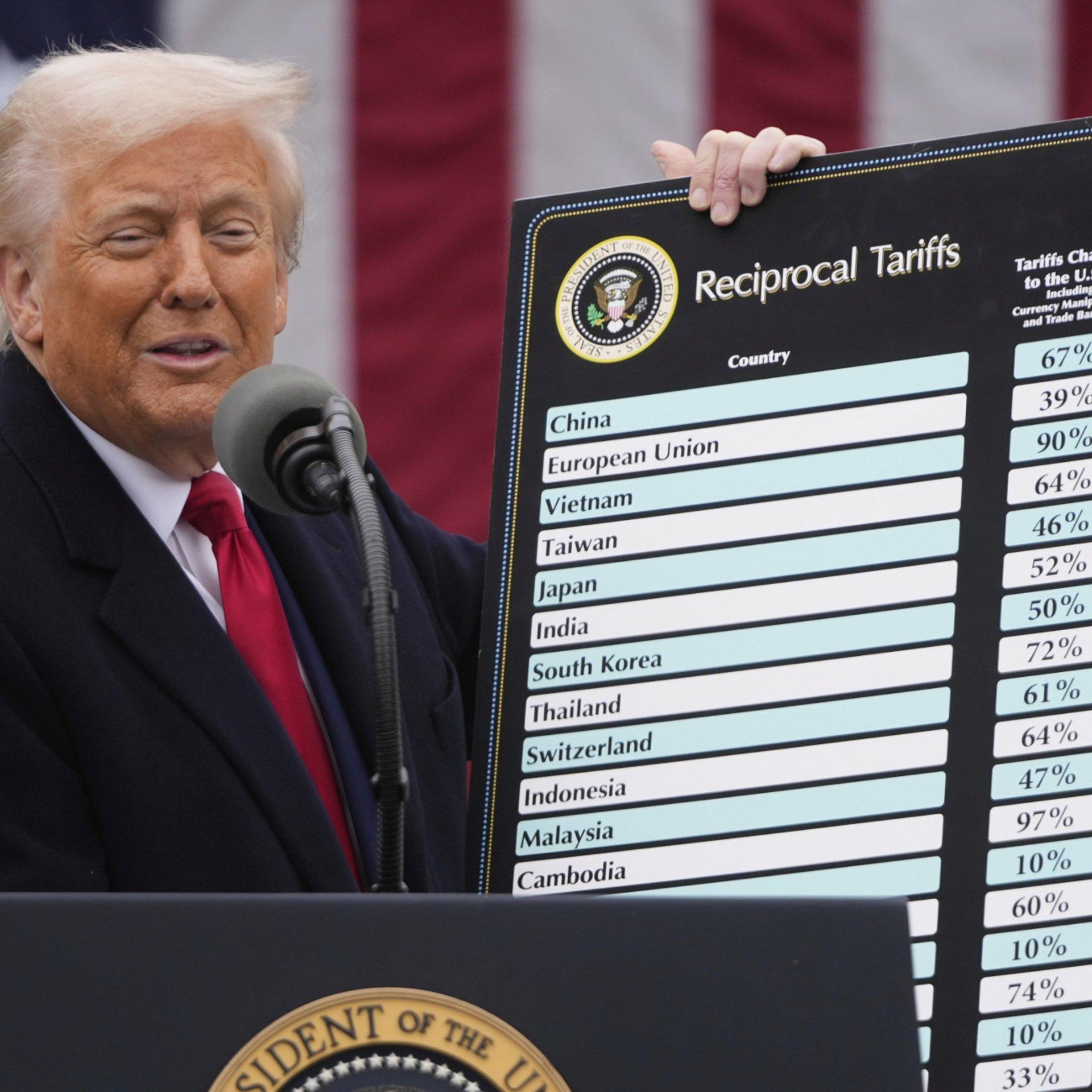
In the ever-evolving landscape of international trade, few policies have garnered as much contention and confusion as the imposition of tariffs by former President Donald Trump. Since taking office in 2017, Trump’s on-again, off-again approach to tariffs has not only reshaped America’s trade relationships but has also sparked debates on economic strategy and national security. This comprehensive timeline chronicles the key moments and decisions that define Trump’s tariff policies, reflecting a tumultuous era marked by escalating trade tensions, retaliatory measures, and shifting alliances. As the dust settles on this significant chapter in American economic history, understanding the implications of these tariffs remains crucial for stakeholders ranging from policymakers to consumers.
Understanding the Fluctuations of Trump’s Tariffs: Key Dates and Economic Impact
During Donald Trump’s presidency, the imposition of tariffs became a cornerstone of his trade policy, aimed at bolstering American manufacturing and addressing trade imbalances. Key dates in the timeline illustrate the unpredictable nature of these tariffs, which at times seemed to be a negotiating tool rather than a fixed policy. For instance, the initial round of tariffs on steel and aluminum imports in March 2018 marked the beginning of a series of measures that would ripple through various sectors of the economy. The decision to target imports raised immediate concerns among businesses reliant on these materials, leading to increased costs that were often passed on to consumers. Subsequent escalations, particularly in the ongoing trade tensions with China, saw the introduction of additional tariffs which were frequently adjusted or delayed, further contributing to an environment of uncertainty for investors.
The economic implications of Trump’s tariff strategies were complex, affecting not only domestic markets but also global supply chains. An analysis of the tariffs reveals a mix of intended and unintended consequences:
- Increased Prices: The raised costs on imported goods led directly to higher prices for consumers on various products.
- Job Impact: While some manufacturers benefited from the protectionist measures, others faced layoffs as costs soared and demand shifted.
- Trade Retaliation: Countries affected by the tariffs retaliated, further complicating international trade relations and impacting U.S. exports.
In summary, the fluctuations of Trump’s tariffs acted as a catalyst for widespread economic repercussions, creating a landscape that was both volatile and unpredictable.
| Date | Event | Economic Impact |
|---|---|---|
| March 2018 | Imposition of tariffs on steel and aluminum | Increased production costs for manufacturers |
| July 2018 | Tariffs on $34 billion worth of Chinese goods | Escalated trade tensions; job losses in affected sectors |
| August 2019 | Announcement of new tariffs on $300 billion of Chinese imports | Market volatility; rising consumer prices |
Strategies for Businesses Navigating Tariff Changes: Adapting to Uncertainty in Trade Policy
As the trade climate evolves unpredictably, businesses must implement proactive strategies to safeguard their interests and navigate the complexities of tariff changes. Diversification of Supply Chains is paramount; firms should identify alternative suppliers across different regions to minimize exposure to abrupt tariff hikes. Cost management becomes critical, prompting businesses to assess their pricing structures and explore cost-cutting measures that do not compromise quality. Additionally, engaging in advocacy and policy dialogue with trade organizations can help small businesses articulate their challenges and potentially influence trade policy discussions.
Another effective strategy is investing in technology and automation to enhance operational efficiency, allowing businesses to offset rising costs through improved productivity. Firms should also consider long-term contracts with suppliers, which can provide cost stability in times of volatility. Lastly, staying informed about ongoing legislative updates and seeking counsel from trade compliance experts can equip businesses with the necessary insights to make informed decisions and remain agile amid changing regulations.
Key Takeaways
In conclusion, the fluctuating nature of former President Donald Trump’s tariff policies underscores a significant chapter in the contemporary landscape of U.S. trade relations. From initial proclamations of protectionism to moments of temporary reprieve, these tariffs have not only influenced economic dynamics at home but also reshaped international partnerships and trade agreements. As stakeholders continue to grapple with the consequences, understanding the timeline of these developments is crucial for deciphering the broader implications for American commerce. The legacy of Trump’s tariffs remains a contentious topic, reflecting the complexities of global trade in an era marked by shifting alliances and evolving economic strategies. As we move forward, the ramifications of these policies will likely resonate across industries and borders for years to come.