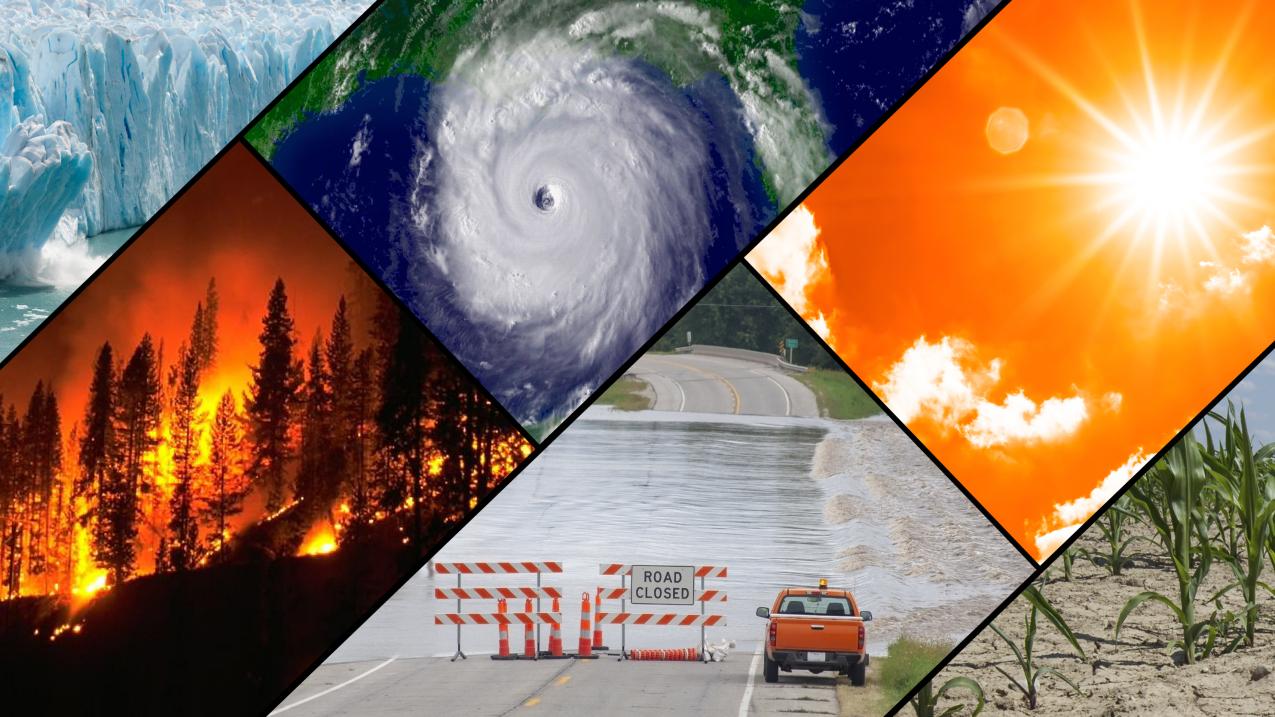
How Climate Change Affects Hurricanes, Typhoons, and Cyclones: A Growing Concern
As the frequency and intensity of extreme weather events escalate across the globe, scientists are turning their attention to the harrowing link between climate change and tropical storms. From the hurricanes that batter the east coast of the United States to the typhoons that ravage Southeast Asia and the cyclones that disrupt life in the Indian Ocean, these formidable forces of nature are becoming increasingly unpredictable. Recent studies suggest that rising sea temperatures, shifting weather patterns, and increasing atmospheric moisture-hallmarks of our warming planet-are driving these storms to reach unprecedented levels of strength and devastation. This article explores the intricate relationship between climate change and these violent storms, delving into the science behind their evolution and the implications for communities worldwide in an era where adaptation and resilience are more critical than ever.
Understanding the Intensification of Tropical Storms in a Warming World
The rapid intensification of tropical storms has become a growing concern in the context of climate change. As global temperatures rise, sea surface temperatures also increase, providing storms with a more powerful energy source. This phenomenon results in higher wind speeds and more devastating impacts on coastal regions. Scientists have observed that warmer oceans can lead to storms forming more swiftly, intensifying in strength within a matter of hours. Studies indicate a potential increase in the frequency of Category 4 and 5 storms, posing a significant threat to life and property.
Research suggests that changes in atmospheric conditions, including increased humidity and alterations in wind patterns, contribute to this intensification. Moreover, as storms travel over land, their capacity to dump torrential rainfalls and trigger severe flooding exacerbates the risks. Here are several significant factors influencing storm intensification in our warming climate:
- Rising Sea Levels: Increased sea levels compound coastal flooding caused by storms.
- Heat Waves: Hotter air holds more moisture, amplifying precipitation rates during storms.
- Changing Wind Patterns: Variations can either hinder or enhance storm growth and path.
Mitigating Risks: Strategies for Resilient Coastal Communities Amid Climate Change
As coastal communities grapple with the escalating threats of extreme weather events, implementing robust risk mitigation strategies has become imperative. These strategies not only aim to protect lives and property but also to enhance the resilience of local economies and ecosystems. Key approaches include:
- Elevating Infrastructure: Building levees, sea walls, and storm surge barriers to safeguard communities against rising sea levels and increased flooding.
- Restoring Natural Barriers: Rehabilitating wetlands and mangroves which can absorb storm impacts and reduce wave energy.
- Community Awareness Programs: Educating residents about preparedness and response plans to ensure that everyone is informed and ready during a disaster.
- Innovative Urban Planning: Zoning laws that take climate risks into account and discourage development in high-risk areas.
To effectively manage the socio-economic impacts of climate-related disasters, local governments can adopt a data-driven approach to resource allocation and emergency response planning. A recent analysis of funding allocation across various coastal regions showed stark differences in preparedness levels:
| Region | Resilience Funding ($M) | Community Preparedness Score |
|---|---|---|
| Gulf Coast | 150 | 7.5 |
| East Coast | 200 | 8.2 |
| West Coast | 120 | 6.9 |
| Hawaiian Islands | 90 | 7.0 |
Investments in technology and data analytics can further augment these efforts, allowing communities to predict storm patterns and assess vulnerabilities in real-time. By fostering collaboration among government entities, non-profits, and residents, coastal areas can navigate the complexities of climate adaptation while ensuring a more sustainable future for generations to come.
In Retrospect
In conclusion, the evolving landscape of climate change is fundamentally altering the behavior and intensity of hurricanes, typhoons, and cyclones, thereby raising alarms for coastal communities worldwide. As global temperatures continue to rise, the heightened frequency and severity of these storm systems present a critical challenge for governments, scientists, and citizens alike. Understanding these shifts is not only vital for preparedness but also for shaping future policies aimed at mitigating climate impacts. As we continue to witness the immediate consequences of this phenomenon, it is imperative that we remain vigilant, informed, and proactive in our response to these increasingly dangerous natural events. The time for action is now, as our planet grapples with the realities of a warming world.