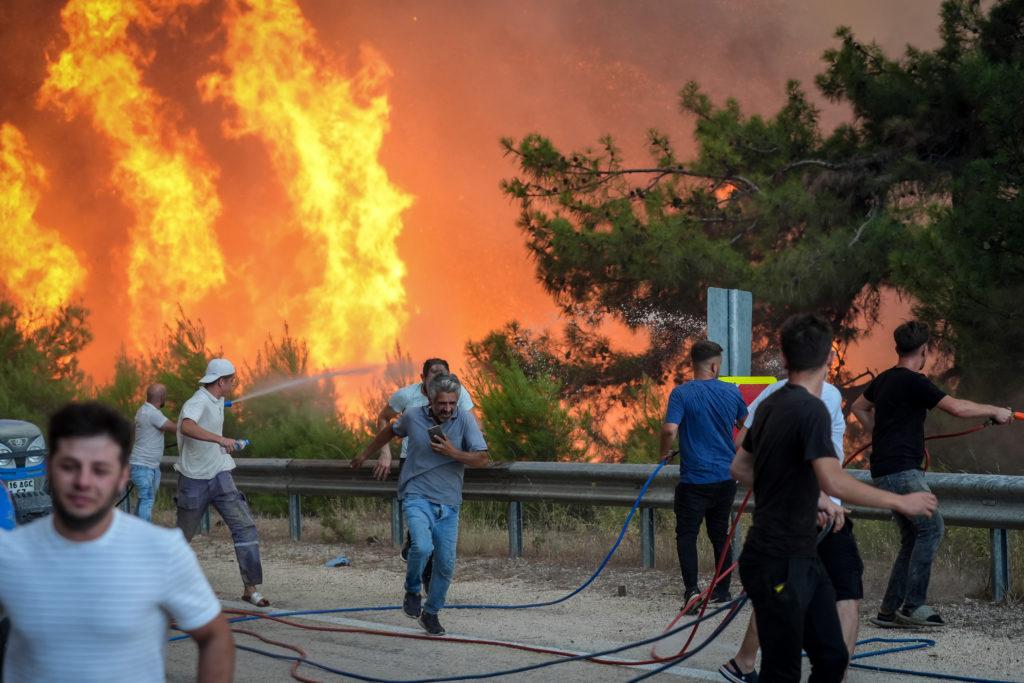
Wildfires Scorch North America as Crews Battle Flames
As summer heat scorches the landscapes of North America, a series of devastating wildfires have ignited across the continent, prompting urgent responses from firefighting crews battling the relentless flames. From the forests of California to the grasslands of the Midwest, the fires have wreaked havoc, forcing evacuations and threatening communities. With increasing temperatures and changing climate patterns, experts are raising alarms about the growing frequency and intensity of these wildfires. In this report, we delve into the latest developments from the front lines, the impact on local populations, and the broader implications for the environment as crews work tirelessly to contain the blazes across the region.
Wildfire Outbreaks Intensify Across North America as Dry Conditions Fuel Rapid Spread
The blazing summer heat coupled with prolonged drought has created the perfect storm for wildfires across North America, with communities grappling with the devastating impacts of rapidly spreading flames. Authorities report that as firefighters engage in battle, they face not only the fire itself but also unpredictable winds and erratic weather conditions that have turned once manageable blazes into uncontrollable infernos. Emergency services are stretched thin as they coordinate evacuations and protect vulnerable areas, highlighting the urgent need for resources and support to combat these growing threats.
Key regions are particularly affected, with reports of significant flare-ups in the following areas:
- California: New fires igniting in the Sierra Nevada region amidst record-low rainfall.
- Canada: Over 10,000 square miles scorched, with indigenous communities facing imminent danger.
- Pacific Northwest: Smoke blanketing cities, creating hazardous air quality and health concerns.
- New Mexico: Protective measures initiated as lightning storms forecasted to increase fire risk.
As the situation evolves, officials are urging residents to stay alert and prepare for possible evacuation orders. A collaborative effort among state and federal agencies aims to enhance firefighting capabilities and improve communication with affected communities. The intensity and frequency of these wildfires raise alarms about climate change and its effects on the natural landscape, prompting discussions on long-term strategies to mitigate future risks.
Emergency Response Strategies and Community Preparedness Essential to Mitigating Fire Damage
As wildfires continue to devastate regions across North America, effective emergency response strategies and robust community preparedness have emerged as critical elements in minimizing fire damage. Local authorities and fire management teams are prioritizing coordinated efforts that involve rapid response protocols and real-time communication systems. These strategies are primarily focused on ensuring that residents are informed about fire threats and equipped with safety measures. Key initiatives include:
- Fire-Alert Systems: Implementing advanced notification systems to alert communities about approaching fires.
- Evacuation Plans: Developing and rehearsing comprehensive evacuation routes to ensure swift and safe relocation of residents.
- Resource Allocation: Strategically positioning firefighting equipment and personnel in high-risk areas.
- Community Training: Offering workshops on fire safety, prevention tactics, and emergency response protocols.
In addition to immediate response strategies, fostering a culture of preparedness at the community level is vital. Residents are encouraged to participate in seasonal drills and to stay informed about local wildlife fire risks. Community resilience relies on collective action and awareness, leading to measures such as:
- Creating Defensible Spaces: Homeowners clearing vegetation and debris around their properties to create a buffer against fires.
- Emergency Kits: Assembling emergency supply kits that include essentials such as water, food, medications, and flashlights.
- Neighborhood Partnerships: Forming local groups to collaborate on fire prevention efforts and share resources.
For a more detailed look at the impact and strategies in place, see the following table:
| Strategy | Description | Importance |
|---|---|---|
| Community Drills | Regular practice of evacuation and safety protocols. | Enhances readiness and reduces panic during actual events. |
| Firebreaks | Strips of land cleared of flammable material. | Slows down or stops the spread of fire. |
| Public Awareness Campaigns | Educational efforts to inform citizens about fire risks. | Increases community participation in fire safety. |
In Retrospect
As wildfires continue to ravage parts of North America, the battle against the flames remains a challenging endeavor for firefighting crews across the continent. With thousands of acres consumed and communities threatened, the urgency of addressing this escalating crisis has never been more apparent. The resilience of those on the front lines and the support of local communities are critical as efforts intensify to combat these devastating blazes.
As the situation develops, authorities urge residents to remain vigilant and adhere to safety protocols. The increasing frequency and intensity of wildfires heighten concerns over climate change and its effects on weather patterns, prompting calls for comprehensive strategies to mitigate future risks.
As we look ahead, the importance of sustained awareness and action cannot be overstated. The ongoing crisis not only highlights the immediate dangers faced by communities but also serves as a stark reminder of the environmental challenges that lie ahead. The need for robust policies and preparedness measures has never been clearer, emphasizing the critical role of collaboration among governmental agencies, environmental organizations, and the public in tackling the multifaceted nature of wildfires.