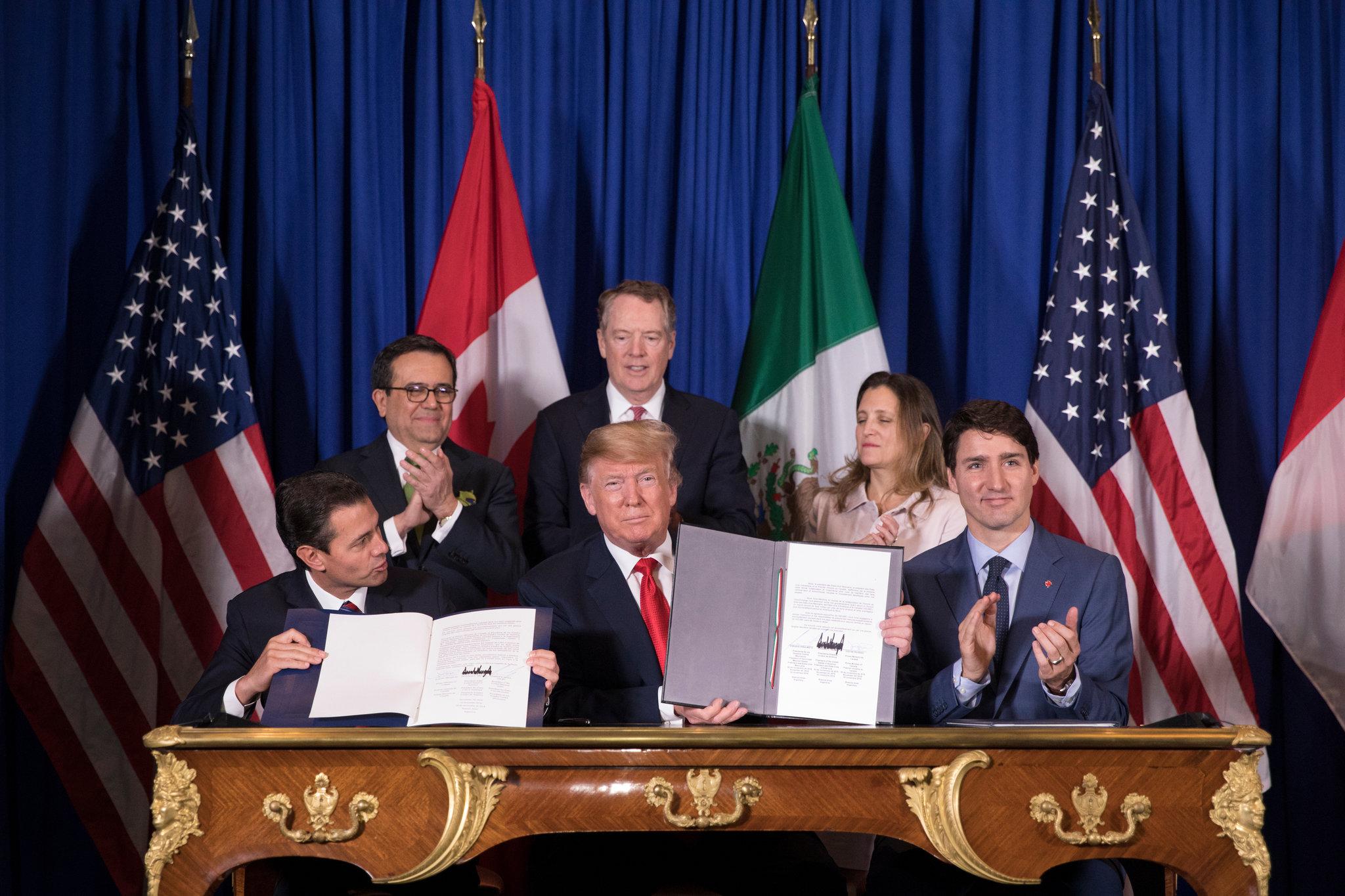
Introduction:
In an era marked by shifting trade dynamics and global economic uncertainty, the auto industry stands as a critical pillar of Canada’s economy. However, recent trade deals orchestrated by the Trump administration have introduced a wave of challenges that threaten to undermine this vital sector. As tariffs and renegotiated agreements reshape the landscape, Canadian automakers and workers find themselves navigating a precarious future. This article explores the implications of these trade policies on Canada’s automotive industry, highlighting concerns over job losses, production capabilities, and the broader economic repercussions that could ripple across the nation. With a closer look at how U.S. trade strategies are impacting Canadian industry, we delve into the stakes involved for workers, businesses, and the country as a whole.
Impact of Trump’s Trade Agreements on Canada’s Auto Sector and Economic Stability
The ramifications of the trade agreements enacted during Donald Trump’s administration are particularly significant for Canada’s auto sector, which has long been a cornerstone of the national economy. The introduction of tariffs on key automotive components has forced manufacturers to rethink their supply chains and pricing strategies. As a result, many Canadian auto plants, whose competitive edge relied on seamless cross-border trade with the United States, now face higher operational costs. This has led to increased concern regarding job security as companies look to cut costs in the face of shrinking profit margins.
Moreover, the uncertainty surrounding these trade agreements has deterred foreign investments in Canada’s automotive industry. Investors are concerned about the long-term viability of an industry that is facing external pressures from U.S. policies. The auto sector in Canada finds itself confronting not just tariffs, but potential protective measures, such as increased domestic sourcing requirements, which could stifle innovation and hinder growth. In light of these challenges, Canadian automakers are grappling with the need to adapt to a rapidly changing marketplace, which may ultimately undermine economic stability across the region.
Strategies for Canada to Safeguard Its Automotive Industry Amid Rising Trade Tensions
In the face of escalating trade tensions, Canada must adopt a multifaceted approach to protect its automotive industry, a critical sector for the national economy. One of the primary strategies involves strengthening bilateral relationships with key partners such as the European Union and Mexico. This can be achieved by fostering trade agreements that not only ensure market access but also eliminate tariffs that disproportionately impact Canadian exports. Additionally, the government can provide targeted support for innovation, focusing on electric and autonomous vehicle technologies that align with global trends and consumer preferences.
Moreover, enhancing domestic supply chains will be crucial to safeguarding Canada’s automotive sector. By investing in local production facilities and supporting companies that produce essential components, Canada can mitigate risks associated with international supply disruptions. The government may also consider implementing incentives for companies that prioritize local sourcing and manufacturing. Such efforts could include tax breaks or grants for businesses that commit to a greater reliance on Canadian resources, thereby fortifying the industry against future trade-related uncertainties.
Insights and Conclusions
As the debate over trade policies intensifies, the implications of President Trump’s approach to international agreements continue to reverberate across North America. Canada’s auto industry, a cornerstone of its economy and a vital source of employment, faces an uncertain future as these deals unfold. With potential shifts in tariffs and trade regulations looming, stakeholders from manufacturers to workers find themselves at a crossroads, weighing the consequences of shifting alliances and market dynamics. As negotiations progress and the landscape evolves, the resilience of Canada’s auto sector and its ability to adapt to these pressures will be tested. The ongoing developments underscore the interconnectedness of trade relationships and their profound impact on national industries and communities. Moving forward, the need for balanced and thoughtful trade agreements will be paramount in ensuring the sustainability and growth of Canada’s vital automotive sector.