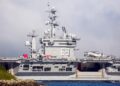
Title: Caribbean Nations React to US Military Actions Against Venezuela and the Capture of Maduro
In a dramatic escalation of geopolitical tensions, the Caribbean region finds itself at a crossroads as the United States launches a military operation against Venezuela, resulting in the capture of President Nicolás Maduro. The fallout from the U.S. intervention has sent shockwaves through the Caribbean, where leaders are grappling with the implications for regional stability, diplomatic relations, and the ongoing humanitarian crisis in Venezuela. As nations weigh their responses, the Caribbean bloc is confronted with the challenge of navigating a complex landscape marked by historical ties, economic dependencies, and the pressing need for collective action. This article explores the varied reactions from Caribbean governments, the potential consequences for the region, and the broader implications of U.S. involvement in Venezuelan affairs.
Caribbean Nations Call for Regional Unity Amidst US Military Action in Venezuela
The recent military action by the United States against Venezuela has provoked a flurry of responses from Caribbean nations, emphasizing the importance of regional solidarity and unity during such tumultuous times. Leaders from multiple Caribbean states convened to address the implications of external military interventions and the potential impact on regional stability. In their discussions, they highlighted concerns over sovereignty, the need for respectful diplomatic dialogue, and the importance of collaborative security measures to safeguard the interests of Caribbean peoples.
Key points from the regional summit included:
- Non-interference: A unanimous call for respect towards national sovereignty and non-intervention in domestic affairs.
- Collective Security: The proposal to strengthen regional defense agreements and security collaborations among Caribbean nations.
- Humanitarian Concerns: An appeal for increased support and assistance to Venezuelan refugees affected by the ongoing crisis.
| Country | Position |
|---|---|
| Jamaica | Emphasized diplomatic solutions over military actions. |
| Barbados | Advocated for humanitarian assistance to Venezuela. |
| Trinidad and Tobago | Urged unity among Caribbean nations against external interventions. |
The Impact of US Intervention on Caribbean Diplomacy and Economic Stability
The U.S. intervention in Venezuela has sparked a volatile reaction across Caribbean nations, echoing long-standing historical ties and diplomatic complexities in the region. Many Caribbean leaders are scrutinizing the shift in U.S. foreign policy as it heightens fears of escalated conflicts spilling over borders. Countries such as Trinidad and Tobago and Jamaica are concerned about the potential for increased refugee flows and economic destabilization, given their geographical proximity to Venezuela. Furthermore, the region’s reliance on tourism and trade with Venezuela complicates the dynamics, raising questions about economic dependencies in light of shifting political alliances.
As discussions unfold, the Caribbean Community (CARICOM) has emphasized the need for diplomatic solutions over military interventions. The varying responses among member states expose underlying tensions and alliances, influencing regional stability. Some nations advocate for continued dialogue while asserting the importance of sovereignty and self-determination for Venezuela. This situation presents a test for Caribbean diplomacy, pushing leaders to navigate a delicate balance between the pressures from the U.S. and the regional implications of sustained conflict. Potential areas of focus include:
- Managing refugee influx from Venezuela
- Strengthening intra-Caribbean trade relations
- Enhancing disaster preparedness and response systems
The impact on economic stability and regional cohesion will be closely monitored as the fallout from U.S. actions unfolds.
Strategies for Caribbean Leaders to Address Humanitarian Concerns and Sovereignty Issues
In light of recent geopolitical tensions stemming from US actions against Venezuela and the capture of President Nicolás Maduro, Caribbean leaders are confronted with the dual challenge of addressing humanitarian concerns while also asserting their sovereignty. To navigate this complex landscape, it is essential for these leaders to adopt a multifaceted approach that prioritizes regional cooperation and dialogue. They can consider the following strategies:
- Strengthening regional alliances: Collaborating with organizations such as CARICOM to present a unified stance on humanitarian interventions and sovereignty issues.
- Engaging in dialogue: Initiating discussions with international bodies to amplify the Caribbean’s voice regarding the impact of foreign interventions on regional stability.
- Leveraging social diplomacy: Fostering relationships with other Latin American nations to monitor and respond collectively to humanitarian crises.
- Promoting sustainable development: Investing in community resilience initiatives that lessen the dependence on external aid and enhance sovereignty.
In addition, establishing a humanitarian response framework that addresses the specific needs of Venezuelans who may seek refuge in neighboring Caribbean nations is crucial. This framework could include:
| Component | Action |
|---|---|
| Legal Protection | Implementing policies to safeguard the rights of Venezuelan migrants. |
| Resource Allocation | Designating funds for healthcare, education, and community services specifically for the incoming migrant population. |
| Public Awareness | Launching campaigns to foster understanding and integration of Venezuelan migrants within local communities. |
By integrating these strategic initiatives, Caribbean leaders can effectively navigate the delicate intersection of humanitarian obligations and sovereignty, ensuring a cohesive response to the regional implications of the situation in Venezuela.
Future Outlook
In conclusion, the Caribbean region stands at a pivotal crossroads in the wake of the recent U.S. military action against Venezuela, culminating in the capture of President Nicolás Maduro. As nations within the Caribbean Community (CARICOM) respond to this significant geopolitical shift, the potential implications for regional stability, diplomatic relations, and economic partnerships are immense. While some leaders express support for the U.S. intervention, others warn of the dangers of foreign meddling in sovereign affairs. The situation remains fluid, and the responses from Caribbean nations will be crucial in shaping the future landscape of the region. As the world watches, the approach taken by Caribbean governments will not only reflect their stance on Venezuela but will also set a precedent for how regional powers navigate the complexities of international intervention. Continued vigilance and dialogue will be essential as the Caribbean navigates this challenging chapter in its history.