
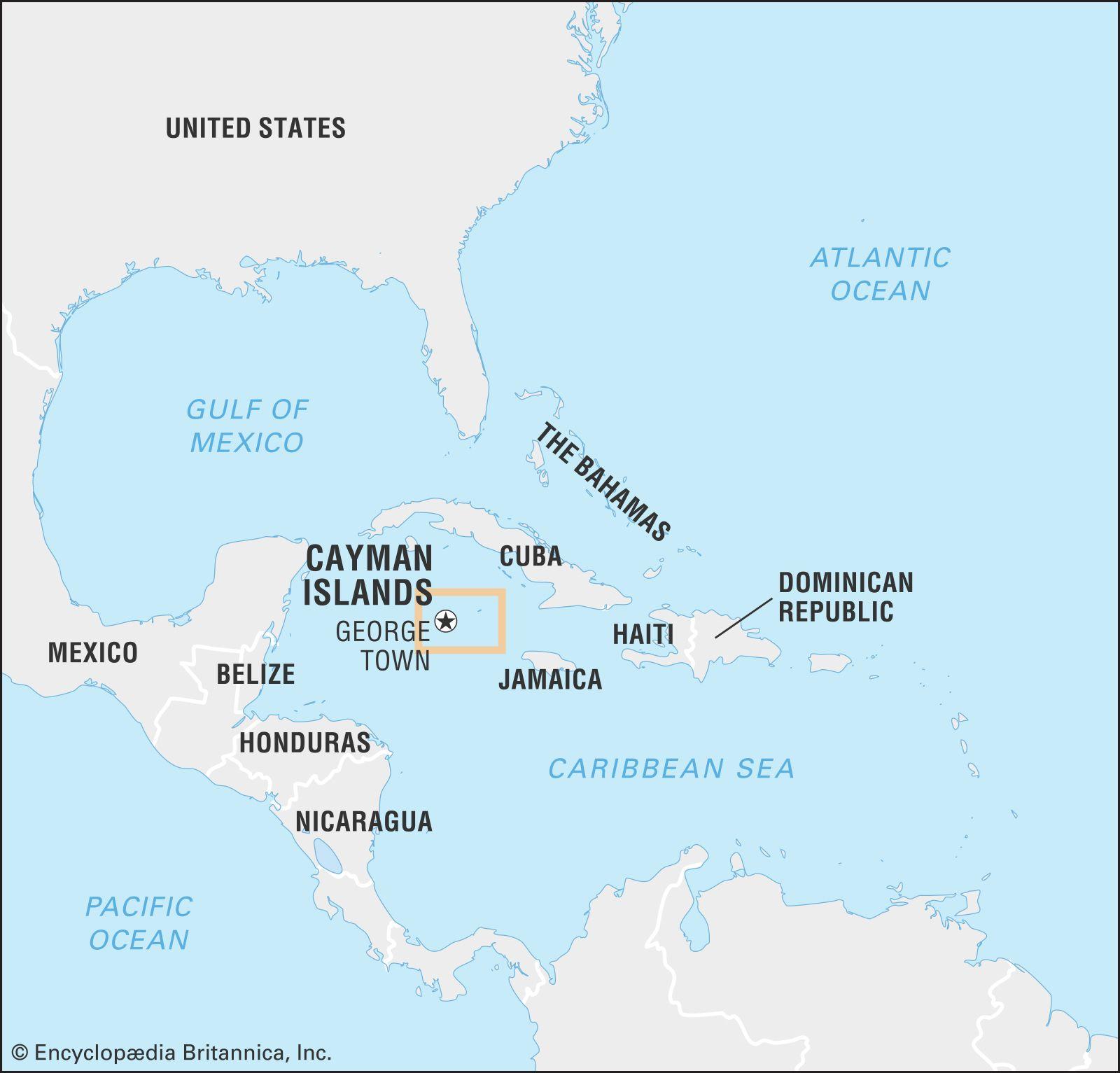
As tensions escalate in international trade relations, the Cayman Islands finds itself bracing for the potential repercussions of U.S. tariffs imposed under the Trump administration. With a small, tourism-dependent economy closely tied to global markets, the Caribbean territory is closely monitoring the unfolding tariff war and its implications for local businesses and consumers. From increased costs for imported goods to potential fallout in the tourism sector, experts warn that the ripple effects could be significant. As the island grapples with uncertainty, stakeholders from various sectors are weighing their options and preparing for an economic landscape that may be profoundly altered by ongoing trade disputes. In this article, we explore the potential impacts of Trump’s tariff war on the Cayman Islands and what it means for residents and businesses alike.
Cayman Islands Faces Economic Uncertainty Amid Trump’s Tariff Policies
The ongoing trade tensions initiated by former President Donald Trump’s tariff policies have created significant ripples through the global economy, with the Cayman Islands poised to experience notable repercussions. As a center for international finance and tourism, the territory relies heavily on trade and foreign investment, both of which are now under pressure due to fluctuating tariffs and trade relations. Industry experts have started to evaluate the effects on local businesses, particularly those in the finance and tourism sectors, which may soon face higher costs as suppliers adjust their pricing in response to the trade measures.
Several indicators point toward potential challenges for the Cayman Islands’ economy, including:
- Increased costs for imported goods: Local businesses that depend on U.S. imports may need to pass elevated costs onto consumers.
- Investor apprehension: Concerns about trade stability can deter foreign investments, impacting long-term economic growth.
- Tourism impact: As expenses rise, the cost of travel could deter potential tourists, affecting occupancy rates in hotels and rental properties.
As stakeholders prepare for a potentially turbulent economic environment, analysis of tariff impacts on specific sectors is crucial. The table below summarizes key sectors and their vulnerabilities:
| Sector | Potential Impact | Mitigation Strategies |
|---|---|---|
| Tourism | Decreased affordable travel options | Marketing strategies to diversify tourist base |
| Finance | Reduced foreign investment | Enhanced incentives for investors |
| Retail | Higher prices on consumer goods | Strengthening local supply chains |
Local Businesses Bracing for Supply Chain Disruptions and Price Hikes
The ongoing tariff war sparked by previous U.S. administration policies is sending shockwaves through local businesses in the Cayman Islands. As supply chain disruptions continue to mount, many entrepreneurs are finding themselves caught in a web of increasing operational costs and uncertain inventory availability. With essential goods becoming harder to source, local shops are scrambling to adapt to the shifting landscape. Key concerns among business owners include:
- Increased shipping costs due to port congestion
- Delays in product deliveries
- Rising prices for imported goods affecting profit margins
Many small businesses, which play a crucial role in the Cayman Islands’ economy, are preparing for the long haul by implementing strategic measures. To navigate the turbulent waters, businesses are proactively seeking alternative suppliers and diversifying their product lines to mitigate risks. Some tactics being employed include:
- Building stronger relationships with local producers
- Stockpiling essential inventory
- Adjusting pricing strategies to reflect increased costs
| Business Type | Impact from Tariffs | Response Strategy |
|---|---|---|
| Retail | Price hikes on imported goods | Diversifying suppliers |
| Restaurant | Higher food costs | Menu adjustments |
| Construction | Material shortages | Local sourcing |
Experts Recommend Strategic Adaptations for Sustained Growth in Challenging Times
As governments and businesses grapple with the fallout from escalating trade tensions, experts are urging organizations in the Cayman Islands to recalibrate their strategies to navigate the uncertain economic landscape. The anticipated impact of Trump’s tariff war is significant, particularly for sectors heavily reliant on imports and exports. To mitigate risks and create avenues for growth, specialists recommend that companies focus on the following key strategies:
- Diversification of Supply Chains: Engaging in multi-sourcing to reduce dependency on any single country.
- Strategic Partnerships: Forming alliances with local and regional businesses to strengthen market presence and share resources.
- Investment in Technology: Leveraging digital tools to streamline operations and enhance customer engagement.
Moreover, embracing a proactive stance towards consumer trends can position businesses favorably against the backdrop of changing tariffs. Analysts advise that entities remain agile, ready to adapt product offerings based on evolving market preferences. A quick survey of local businesses reveals a mixed response to the tariff situation:
| Business Type | Current Response | Future Strategy |
|---|---|---|
| Retail | Adjusting pricing strategy | Diversifying product range |
| Manufacturing | Evaluating alternative suppliers | Investing in automation |
| Tourism | Enhancing marketing efforts | Partnering with local attractions |
The Way Forward
As the Cayman Islands prepares for the potential ramifications of the ongoing tariff war initiated by former President Donald Trump, local businesses, policymakers, and residents are left to navigate the uncertainties that lie ahead. The economic landscape is fraught with challenges, from fluctuations in international trade to potential shifts in tourism and investment flows. Stakeholders are closely monitoring developments and strategizing to mitigate the impact on the territory’s economy. As the situation evolves, the resilience and adaptability of the Cayman Islands will undoubtedly be put to the test. Continued vigilance and proactive measures will be essential as the community braces for the repercussions of a global trade environment in flux. For ongoing updates, stay tuned to Cayman News Service.











