Cayman Islands Profile: A Closer Look at the Caribbean’s Financial Hub
Nestled in the turquoise waters of the Caribbean Sea, the Cayman Islands are renowned not only for their stunning beaches and vibrant marine life but also for their significant role in global finance. Often cited as one of the world’s leading offshore financial centers, this British Overseas Territory has attracted business and tourism alike with its unique blend of natural beauty and economic opportunity. In this comprehensive profile, we delve into the various facets of the Cayman Islands, exploring its history, economy, and the challenges it faces as it navigates the complexities of international scrutiny and environmental sustainability. From its bustling tourism sector to the intricacies of its financial services, the Cayman Islands stand as a prime example of how a small territory can wield substantial influence on the global stage.
Cayman Islands: A Comprehensive Economic Overview and Financial Hub Analysis
The Cayman Islands stands as a key player in the global financial landscape, renowned for its tax neutrality and business-friendly regulations. With no corporate taxes imposed on businesses and low personal income tax rates, the jurisdiction attracts a multitude of international firms seeking to optimize their tax obligations. The financial sector has matured into a robust component of the economy, contributing significantly to GDP. Financial services, including banking, investment funds, and insurance, account for a large portion of the territory’s economic activity, with over 10,000 registered companies in the financial services domain. Furthermore, the islands’ proximity to the United States and vibrant tourism sector complement its appeal, allowing it to leverage a diverse economic base.
As a crucial financial hub, the Cayman Islands hosts a multitude of banking institutions and investment firms, positioning itself as a preferred destination for hedge fund and private equity management. The region’s commitment to compliance and governance improvements addresses global scrutiny, notably adopting measures set by the Financial Action Task Force (FATF) to mitigate money laundering risks. The table below illustrates the sectors contributing to the Cayman Islands’ GDP, highlighting a balanced economy that remains resilient even amid global economic shifts.
| Sector | Contribution to GDP (%) |
|---|---|
| Financial Services | 40% |
| Tourism | 26% |
| Real Estate | 15% |
| Other Services | 19% |
Natural Wonders and Tourism Potential of the Cayman Islands: Key Attractions and Conservation Efforts
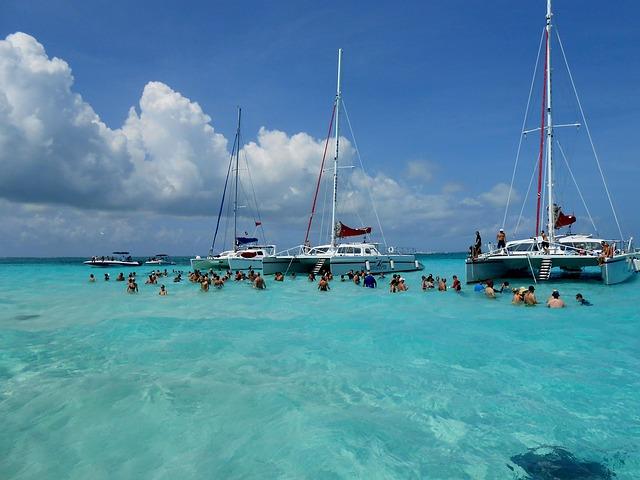
The Cayman Islands are renowned not only for their stunning beaches but also for their diverse natural wonders that hold significant appeal for tourists. Seven Mile Beach, with its white sands and azure waters, is a must-visit destination for sun-seekers. For those drawn to adventure and marine life, Stingray City offers a unique experience where visitors can interact with friendly stingrays in their natural habitat. Additionally, the islands boast impressive coral reefs, such as those found at Bloody Bay Marine Park, which presents opportunities for snorkeling and scuba diving in crystal-clear waters teeming with vibrant sea life.
In light of increasing tourist traffic, conservation efforts have become paramount to preserving these natural wonders. Various organizations are working diligently to protect marine environments and promote sustainable tourism practices. Initiatives such as coastal clean-up drives and marine protected areas are aimed at safeguarding biodiversity while offering visitors engaging experiences. Below is a table summarizing key attractions and their linked conservation efforts:
| Attraction | Conservation Effort |
|---|---|
| Seven Mile Beach | Regular clean-up initiatives |
| Stingray City | Ecosystem monitoring & education programs |
| Bloody Bay Marine Park | Creation of marine protected areas |
Navigating the Local Culture and Expat Community: Insights for Newcomers and Residents
Understanding the local culture in the Cayman Islands is essential for newcomers and expats aiming to integrate smoothly into island life. The Caymanian community prides itself on a rich blend of traditions influenced by African, European, and Caribbean heritages. Key aspects of this culture include:
- Warm Hospitality: Locals are known for their friendliness and welcoming nature, often going out of their way to help newcomers.
- Community Events: Engaging in local festivals, such as Pirate Week and Batabano, provides a wonderful opportunity to meet residents and understand their customs.
- Culinary Traditions: Exploring the local cuisine, particularly dishes featuring fresh seafood and regional produce, is a delightful way to connect with the culture.
For expats, connecting with the expatriate community can significantly enhance their experience. Various social groups and organizations exist to facilitate networking and friendships, offering newcomers a chance to share experiences and adjust to their new environment. Notable resources include:
- The Cayman Islands Expat Forum: An online platform for discussions, advice, and support among expatriates.
- Social Clubs: Groups like the Cayman Islands Camera Club or the Cayman Islands Rugby Club foster a sense of belonging through shared interests.
- Volunteer Opportunities: Many organizations seek the help of residents, enabling newcomers to give back to the community while making valuable connections.
Wrapping Up
In conclusion, the Cayman Islands stand as a vibrant testament to both natural beauty and economic prowess. With its stunning beaches, diverse marine life, and a robust financial services sector, this British Overseas Territory continues to attract visitors and investors alike. However, the challenges of sustainability and economic dependency on tourism and finance loom large. As the islands navigate their future in a rapidly changing global landscape, striking a balance between development and environmental stewardship will be crucial. The Cayman Islands’ unique profile not only highlights its current achievements but also poses essential questions about its path ahead. As we watch this dynamic region evolve, its continued commitment to preserving its rich cultural heritage and natural resources will be vital for generations to come.