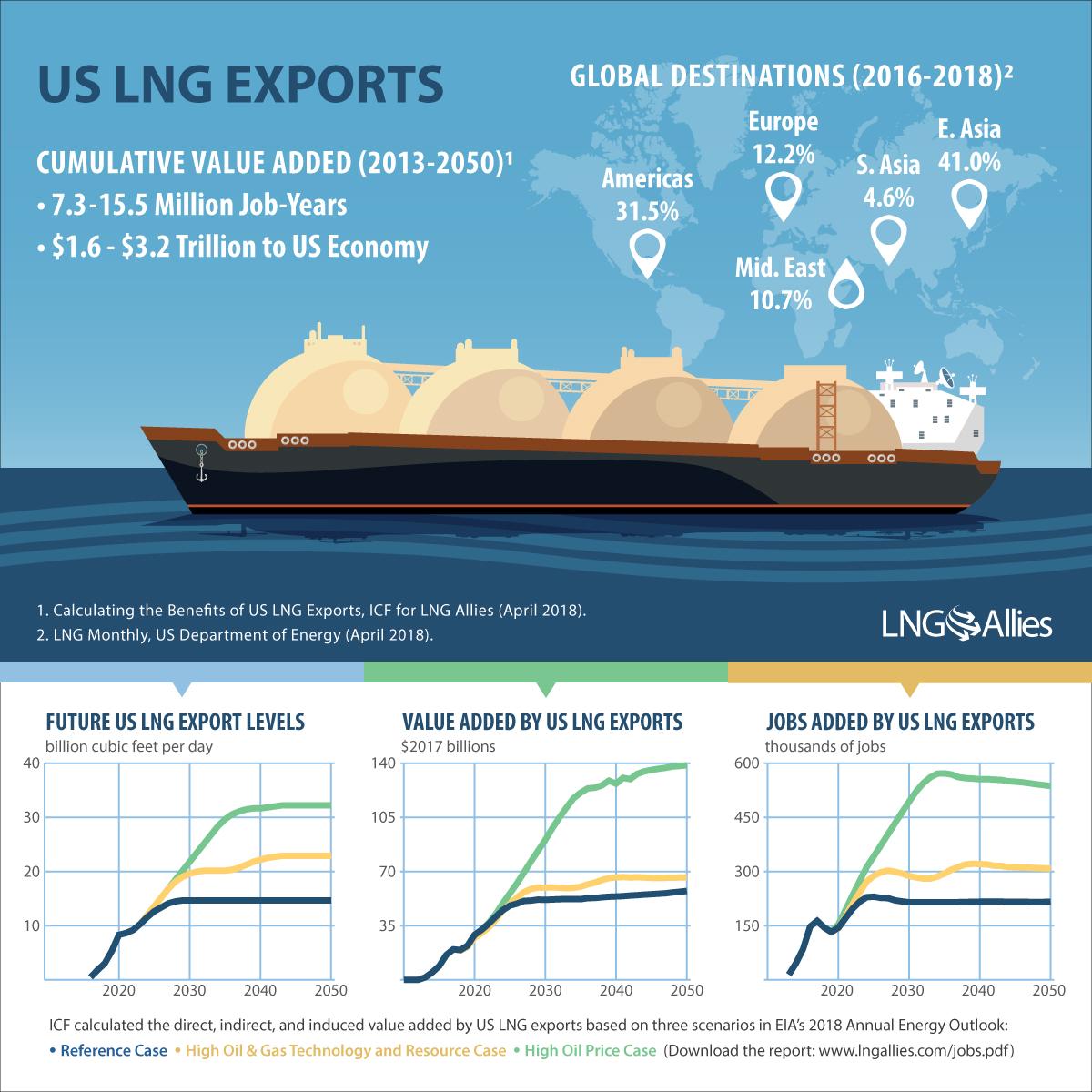
In a notable surge reflecting growing energy ties between the United States and Latin America, U.S. liquefied natural gas (LNG) exports to the region soared in June, with Chile emerging as a key destination. According to Natural Gas Intelligence, this significant uptick underscores the escalating demand for American LNG amid shifting energy dynamics and infrastructure developments across Latin American countries. As global energy markets face volatility, the pivot towards U.S. LNG not only highlights the strategic partnerships being forged but also marks a milestone in the region’s quest for energy security and diversification. In this recap, we delve into the factors driving this boom and its implications for both U.S. exporters and Latin American economies.
U.S. Dominance in LNG Exports Continues as Chile Emerges as a Key Destination
The landscape of liquefied natural gas (LNG) exports is witnessing a significant shift, with the United States leading the charge as the dominant supplier to Latin America. In June, U.S. LNG exports to the region skyrocketed, primarily driven by increased demand from Chile. This surge reflects not only Chile’s growing energy needs but also its strategic efforts to diversify its energy sources amid local challenges. U.S. LNG offers a reliable alternative, ensuring that Chile can maintain energy security while pursuing climate goals through natural gas transition.
Chile’s commitment to transitioning from coal-fired power plants to cleaner energy sources has made it a pivotal market for American LNG. The recent trends indicate a robust export relationship characterized by:
- Increased Supply: A consistent rise in LNG shipments from the U.S. supports Chile’s energy matrix transformation.
- Infrastructure Investment: Ongoing investments in regasification infrastructure enhance the capacity to handle imports efficiently.
- Long-Term Contracts: Emerging agreements between U.S. exporters and Chilean importers pave the way for sustained cooperation.
| Month | LNG Exports to Chile (Bcf) |
|---|---|
| June 2023 | 15.7 |
| May 2023 | 12.3 |
| April 2023 | 10.1 |
Market Dynamics and Impacts of Increased U.S. LNG Supply on Latin American Energy Security
The recent surge in U.S. LNG exports to Latin America marks a pivotal shift in regional energy dynamics, particularly in countries like Chile. As the demand for cleaner energy sources escalates, U.S. liquefied natural gas (LNG) is emerging as a viable solution to bolster energy security across the region. Key benefits of increased U.S. LNG supply include:
- Diversification of Energy Sources: Reducing dependency on a single supplier helps mitigate risks associated with geopolitical tensions.
- Cost-Effective Solutions: The competitive pricing of U.S. LNG allows Latin American nations to secure natural gas at more favorable rates, enhancing affordability.
- Infrastructure Development: The need for improved importing facilities catalyzes investment in energy infrastructure, promoting economic growth.
Furthermore, the implications extend beyond economic benefits, positioning natural gas as a transitional fuel in the shift toward renewable energy sources. Countries like Chile are leveraging increased U.S. LNG to support their national energy frameworks, aiming for a significant reduction in carbon emissions. The potential future opportunities that arise from enhanced energy partnerships include:
- Joint Ventures: Collaborative development of projects that could expand market access for both U.S. producers and Latin American consumers.
- Technology Transfer: Adoption of advanced technologies in LNG processing and distribution enhances operational efficiency.
- Sustainable Practices: Integration of environmental safeguards ensures that the growth of LNG infrastructure aligns with global sustainability goals.
Strategic Recommendations for Stakeholders to Optimize Trade Relations and LNG Utilization
To enhance trade relations and maximize liquefied natural gas (LNG) utilization, key stakeholders must adopt a multi-faceted strategy that addresses both commercial and regulatory frameworks. Proactive engagement with Latin American governments is essential to streamline regulatory processes that can delay project approvals. Investment in infrastructure should also be a priority, as efficient transport and storage facilities are critical for boosting supply chain resilience. Furthermore, stakeholders should consider collaboration with local players, leveraging partnerships to expand market reach while ensuring compliance with regional regulations and standards.
Additionally, a concerted effort in market analysis can guide decision-making, allowing stakeholders to identify emerging trends in LNG demand across Latin America. Areas of focus should include:
- Diverse Contract Structures: Flexibility in terms can help meet varied demand profiles.
- Environmental Sustainability: Emphasizing cleaner LNG alternatives aligns with global energy trends.
- Cultural Sensitivity: Understanding local practices can improve stakeholder relations.
A comprehensive risk management strategy is also vital to mitigate any potential disruptions in supply due to geopolitical tensions or economic fluctuations. Effective communication and continuous engagement with regional partners can foster resilience and adaptability, ensuring long-term success in this dynamic market.
Insights and Conclusions
In summary, the significant increase in U.S. liquefied natural gas (LNG) exports to Latin America, notably driven by demand from Chile, underscores a dynamic shift in the region’s energy landscape. June’s surge highlights the strategic importance of U.S. natural gas as a reliable energy source for Latin American nations, aiming to bolster energy security and transition towards cleaner fuel alternatives. As geopolitical factors continue to evolve and energy needs grow, these developments are likely to shape the future of energy collaboration between the U.S. and Latin America. Stakeholders will be closely monitoring these trends, with potential implications for market dynamics and regional energy policies in the months to come.