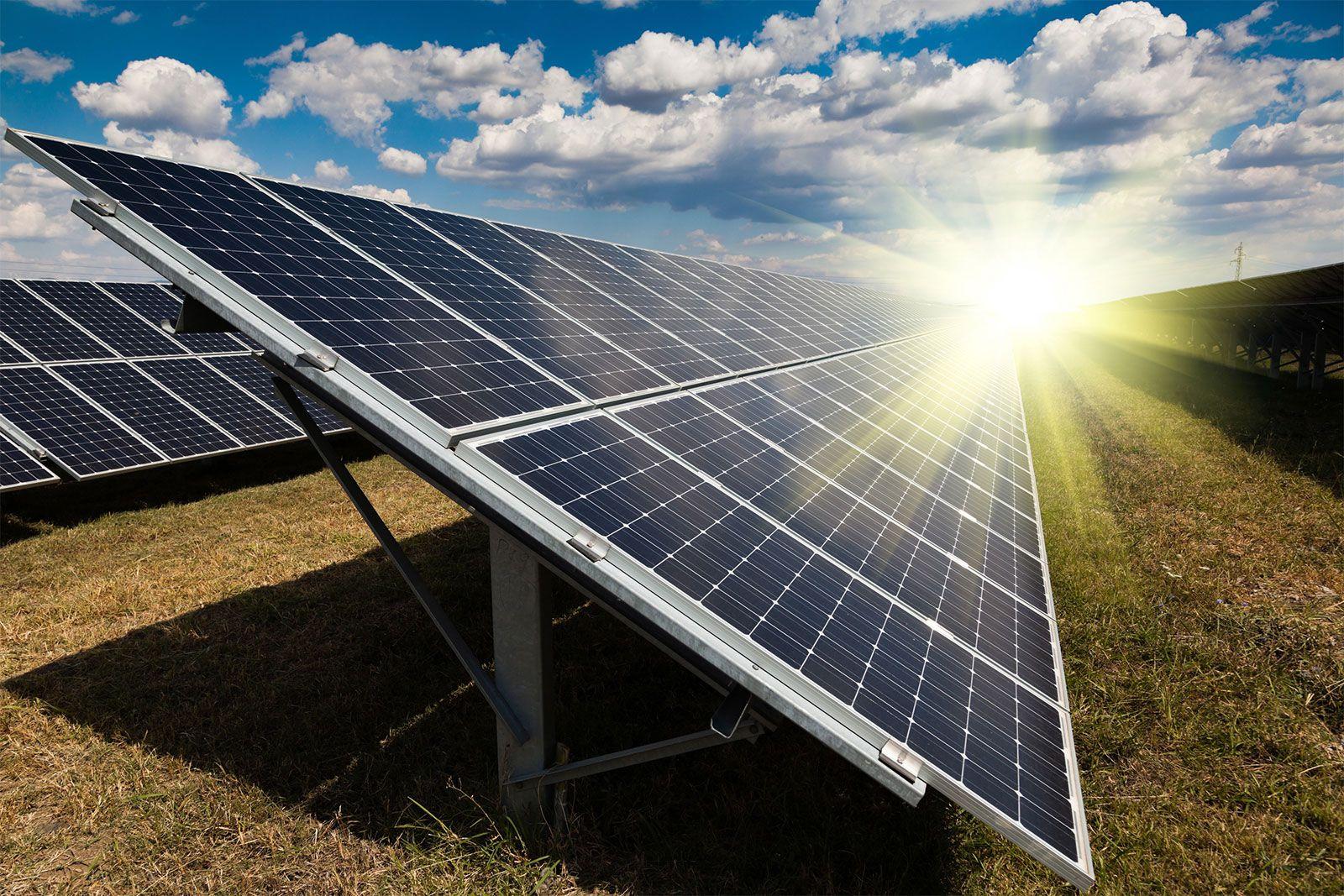
Latin America’s Largest Solar Power Complex Launched in Chile
In a significant milestone for renewable energy in the region, Chile has officially launched Latin America’s largest solar power complex, marking a transformative step toward sustainable energy solutions. The new facility, located in the Atacama Desert-one of the most sun-drenched areas on the planet-underscores Chile’s commitment to harnessing its abundant natural resources in the fight against climate change. With plans to generate thousands of megawatts of clean energy, the complex is poised to not only bolster the country’s energy independence but also position Chile as a leader in the global renewable energy landscape. As the Global Energy Association highlights, this development represents a crucial intersection of innovation, investment, and environmental stewardship, signaling a new era for energy production in Latin America.
Chile Sets New Precedent in Renewable Energy with Launch of Largest Solar Power Complex in Latin America
Chile has once again positioned itself at the forefront of renewable energy innovation by inaugurating the largest solar power complex in Latin America. Nestled in the arid landscapes of the Atacama Desert, the desert’s ideal climate and abundant sunlight create the perfect environment for solar energy generation. With a capacity of over 1,000 megawatts, this monumental project is set to reduce carbon emissions significantly, while also providing power to thousands of households across the country. The milestone not only strengthens Chile’s commitment to transitioning towards sustainable energy but also signals a broader shift in the region’s approach to renewable sources to combat climate change.
This ambitious investment features an extensive array of solar panels and cutting-edge technology designed to optimize energy efficiency. The solar complex is expected to provide over 2,000 direct jobs during its construction phase and hundreds of permanent positions post-completion. Key benefits of the project include:
- Energy Security: Reducing dependency on fossil fuels.
- Economic Growth: Stimulating local economies and industries.
- Climate Goals: Advancing Nationally Determined Contributions (NDCs).
As global energy demands continue to rise, the launch of this solar power complex marks a transformative step for Latin America, showcasing the region’s potential to lead the way in renewable energy innovation.
Impacts on Local Economy and Job Creation Following the Solar Power Complex Initiative
The launch of Latin America’s largest solar power complex in Chile represents not just a leap towards renewable energy, but also a significant boost to the local economy. As the project unfolds, it is poised to stimulate various sectors, providing opportunities for local businesses and fostering community growth. Key impacts on the local economy include:
- Increased investment in infrastructure and services, as more companies seek to support the growing solar industry.
- Enhanced local revenue, which can fund public services and community initiatives.
- Rise in demand for local suppliers of materials and services, benefiting small and medium enterprises.
Moreover, the initiative has a profound effect on job creation in the region. The construction and ongoing operation of the solar power complex are expected to generate thousands of new jobs, spanning from skilled labor to administrative positions. This will not only reduce unemployment rates but also contribute to workforce development through training and education programs. For a clearer understanding, the following table outlines the anticipated job creation segments associated with the solar complex:
| Job Type | Estimated Jobs Created | Duration |
|---|---|---|
| Construction | 1,500 | 2 Years |
| Operations | 300 | Ongoing |
| Maintenance | 150 | Ongoing |
| Training Programs | 200 | Annual |
Recommendations for Scaling Renewable Energy Infrastructure Across Latin America
As Latin America moves towards a greener future, there are several strategic recommendations for effectively scaling renewable energy infrastructure in the region. Investment in public-private partnerships can play a crucial role by leveraging resources and expertise from both sectors. By fostering collaboration, countries can mobilize financial capital and innovative technologies that are essential for developing large-scale renewable projects. Additionally, streamlining regulatory frameworks will help reduce bureaucratic hurdles, making it easier for new projects to be approved and implemented swiftly.
Furthermore, enhancing energy storage solutions is critical to complement the intermittent nature of solar and wind energy. Countries should prioritize funding for research and development of advanced battery technologies and other energy storage systems. To ensure equitable access to renewable energy, governments must also focus on community engagement and education initiatives that raise awareness about the benefits of renewable energy and its adoption. This approach will not only drive local support but also empower communities to participate actively in the transition towards sustainable energy solutions.
Concluding Remarks
In conclusion, the inauguration of Latin America’s largest solar power complex in Chile marks a significant milestone in the region’s renewable energy landscape. This ambitious project not only underscores Chile’s commitment to sustainable energy but also positions the country as a leader in the fight against climate change. As the complex begins operations, it sets a precedent for future investments in green technology and serves as an inspiration for other nations striving to enhance their renewable energy portfolios. With this development, Chile is not only paving the way for economic growth but also contributing to a cleaner, more sustainable future for the entire continent. The Global Energy Association will continue to monitor the impact of this monumental project as it unfolds and its potential ripple effects across the energy sector in Latin America and beyond.