
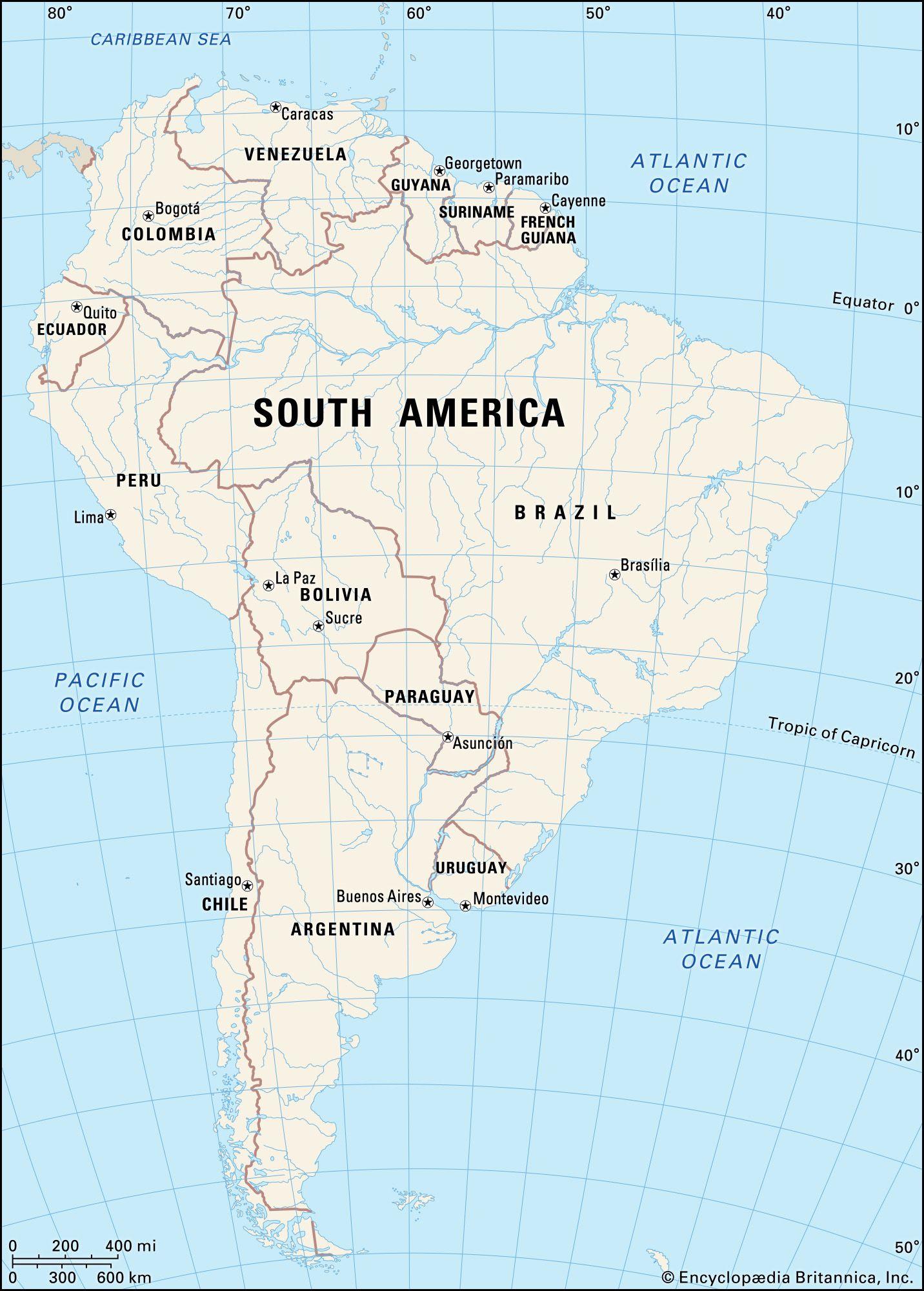
Exploring the Diversity of South America: A Deep Dive into Climate, Geography, and Altitude
In a continent renowned for its breathtaking landscapes and vibrant cultures, South America stands as a testament to the intricate interplay between climate and geography. From the scorching heat of the Amazon rainforest to the frigid peaks of the Andes, the region showcases a kaleidoscope of environments that shape the lives and livelihoods of its inhabitants. This article delves into the diverse climatic zones, stunning geographical features, and remarkable altitude variations that define South America, revealing how these elements not only influence the continent’s ecology but also play a pivotal role in its socio-economic dynamics. Join us as we unravel the complexities of this captivating region, shedding light on the forces that mold its unique identity.
Understanding South America’s Diverse Climate Patterns
South America is renowned for its striking climate diversity, shaped by various geographical features ranging from the towering Andes mountains to expansive lowland rainforests and arid deserts. The continent’s climate can be broadly categorized into several distinct types, including:
- Tropical Rainforest: Predominantly found in the Amazon basin, characterized by high rainfall and temperatures.
- Savanna: Located in regions such as Brazil and parts of northern Argentina, marked by a distinct wet and dry season.
- Desert: The Atacama Desert in Chile, noted as the driest place on Earth.
- Highland: The climate varies with altitude, which is clearly seen in the Andes, where temperature can drop significantly with elevation.
The interplay of altitude and proximity to the ocean also plays a significant role in the continent’s diverse climates. The coastal regions tend to have milder temperatures due to ocean currents, while inland areas may experience more extreme variations. A glimpse at average precipitation levels highlights this remarkable contrast:
| Region | Average Annual Precipitation (mm) |
|---|---|
| Amazon Rainforest | 2,300 – 3,000 |
| Andes Mountains | 500 – 3,000 |
| Atacama Desert | 1 – 15 |
| Pampas Region | 600 – 1,400 |
Exploring Geographic Varieties Across the Continent
South America is a continent characterized by a rich mosaic of geographic variations that significantly influence its climate and ecosystems. From the towering Andes Mountains, which serve as a formidable barrier dividing the continent into distinct weather zones, to the lush Amazon rainforest, each region offers unique climatic conditions. For instance, the tropical climates of the north, characterized by high temperatures and precipitation, stand in stark contrast to the arid deserts in the west. The southern regions experience harsh, cold weather influenced by the Antarctic currents, creating an array of microclimates and biomes that are as diverse as the cultures that inhabit them.
The elevation of South America’s topography plays a crucial role in shaping its different environments. While lower altitudes support denser populations and an array of agricultural activities, higher elevations create challenges for habitation but also foster unique flora and fauna. At altitudes exceeding 3,000 meters, the habitat transforms drastically due to temperature drops and reduced oxygen levels. Below is a brief summary of key climatic zones and their characteristics across various altitudes:
| Altitude Range (meters) | Climate Type | Key Characteristics |
|---|---|---|
| 0 – 1,000 | Tropical | High rainfall, warm temperatures, lush vegetation |
| 1,000 – 2,500 | Subtropical | Moderate rainfall, diverse plant life |
| 2,500 – 3,500 | Mountainous | Cooler temperatures, adapted wildlife |
| Above 3,500 | Alpine | Harsh conditions, unique ecosystems, limited human activity |
Navigating Altitude Impacts on Culture and Ecology
In the diverse landscapes of South America, altitude plays a pivotal role in shaping both human culture and ecological systems. Regions such as the Andes mountains feature a variety of climatic zones, creating distinct microenvironments that support unique flora and fauna. For instance, the high-altitude ecosystems experience harsher weather conditions, influencing not only the types of plants that thrive but also the traditional agricultural practices of local communities. Indigenous peoples have adapted to these conditions, cultivating crops like quinoa and potatoes at altitudes exceeding 3,000 meters, demonstrating a profound relationship between altitude and sustainable farming methods.
The cultural expressions of high-altitude communities are equally influenced by their environment, as seen in festivals, cuisine, and music, which reflect the rich biodiversity of their surroundings. Celebrations often center around harvest cycles and seasonal changes, underscoring the connection between ecological rhythms and cultural identity. Furthermore, these cultures are increasingly facing challenges such as climate change, which affects both their livelihoods and the delicate ecosystems they rely on. The following table summarizes some key impacts of altitude on culture and ecology in South America:
| Altitude Range (m) | Cultural Influence | Ecological Impact |
|---|---|---|
| 0-1,000 | Urban development; agricultural innovations | Rich biodiversity; tropical rainforests |
| 1,000-3,000 | Traditional festivals; diverse cuisines | Varied agricultural practices; temperate forests |
| 3,000+ | Indigenous practices; unique music and art | Fragile ecosystems; specialized flora and fauna |
Concluding Remarks
As we conclude our exploration of South America’s diverse climate, geography, and altitude, it becomes evident that this remarkable continent is a tapestry woven from a multitude of natural landscapes and climatic conditions. From the soaring peaks of the Andes to the lush rainforests of the Amazon, the environmental tapestry plays a crucial role in shaping the cultures and economies of the nations that call South America home. The interplay of altitude and climate not only influences agriculture and biodiversity but also poses unique challenges and opportunities for sustainable development in the region. As the world continues to grapple with the implications of climate change, understanding these factors becomes increasingly essential. South America stands at a crossroads, facing pressing environmental challenges that demand attention and action. The continent’s rich natural heritage may serve as a blueprint for resilience and adaptation, making it a critical focus for global environmental dialogues in the years to come. As we look to the future, the story of South America will remain one of adaptation, innovation, and the enduring interconnection between people and the land.











