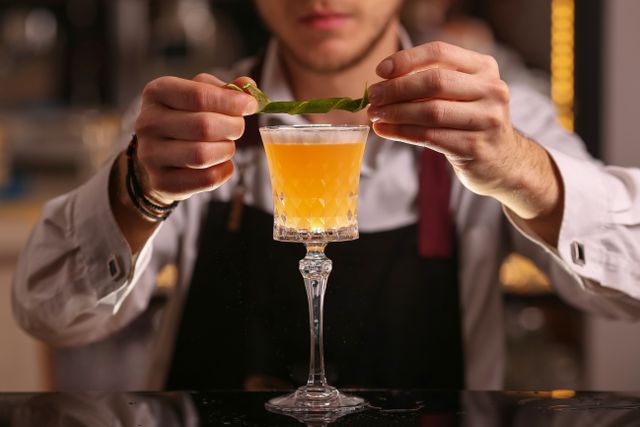
photokool / Getty Images
Types of Pisco
There are several types of pisco, each with its own unique characteristics. The two main categories, Chilean and Peruvian pisco, vary widely from each other both in production and in flavor.
Alex Hildebrandt, the co-founder at Suyo Pisco, explains that Chilean pisco primarily uses the Muscat grape from two regions in Chile. “It can be distilled more than once, barrel aging is allowed, and there are no clear regulations about use of additives. Peruvian pisco can use eight grapes from five southern coastal regions in Peru; no use of pomace is permitted (only the wine must is allowed),” he says. It’s single-distilled and rested in neutral containers for at least three months (no barrel aging is allowed). Peruvian pisco is the most terroir-driven spirit in the world, as it is the only spirit that contains only one ingredient: grapes.
Kenna elaborates: “Of the eight designated grapes in pisco from Peru, at least one of those grapes, potentially two, are endemic grapes to Peru—the offspring of traditional grapes that were brought from Europe and only exist in Peru. In Chile, there are different grapes, different distillation methods, proofing, and aging! All pisco from Peru is unaged and distilled to proof—the only other spirit distilled to proof is some Schochu and some mezcal.”
Related: Shrub Drinks Are the Secret to Elevated Cocktails and Mocktails—Here’s How to Make One
What to Look for When Buying Pisco
When shopping for pisco, the most important factor is origin—determine if you prefer the fresher, fruitier style of Peruvian pisco or the slightly more robust, aged profile of Chilean pisco. Look for bottles that indicate the type of pisco on the label (Puro, Acholado, etc.) and the grape varieties used. Kenna says, “most important to me in any spirit category is knowing who made the product. Is the distiller’s name on the bottle? Is there production information? The more information the label and brand divulge—the better.”
Hildebrandt says that for first-time consumers, he recommends buying a “Puro” (a single varietal). “I like suggesting a Quebranta because it’s very approachable (both in taste and it tends to be more affordable). Also, if possible, I like to recommend a pisco from a northern coastal region like Lima, where you find very fresh, crisp notes—with some minerality due to proximity to the ocean—that are unique to the southern regions that have a more arid climate.”
How to Drink Pisco
Pisco has a long history as both a versatile cocktail ingredient and a spirit to be savored on its own. Here are a few traditional ways to enjoy pisco:
Neat: Sip pisco neat (without ice) to appreciate its nuanced flavors. Serving Peruvian pisco at room temperature allows the fruity and floral notes to shine, while Chilean pisco can be slightly chilled if it has been aged.
As an Aperitif: Pisco is often enjoyed before meals in Peru and Chile to stimulate the appetite. Serve a small pour of pisco over ice with a twist of lime or lemon for a refreshing, palate-cleansing aperitif.
In Cocktails: Pisco’s versatility makes it an excellent base for cocktails. Its bright, fresh flavors pair well with citrus, herbs, and even spices.
Related: Pineapple-Cucumber Spritz With Pisco
Popular Pisco Cocktails
Pisco Sour: Perhaps the most famous pisco cocktail, the pisco sour is a refreshing blend of pisco, lime juice, simple syrup, and egg white, shaken until frothy and topped with a dash of bitters. This cocktail perfectly balances the spirit’s fruity notes with tart citrus.
Chirulin: An Afro-Peruvian cocktail with cinnamon syrup, pisco, grapefruit juice, and lime.
Chilcano: Another popular Peruvian cocktail, the Chilcano mixes pisco with ginger ale, lime juice, and bitters for a light, effervescent drink perfect for warm-weather sipping.
Pisco Punch: Originating in San Francisco during the Gold Rush era, this cocktail combines pisco with pineapple syrup, lime juice, and sparkling water.
El Capitán: Similar to a Manhattan, this cocktail mixes pisco with sweet vermouth and a dash of bitters, creating a rich, spirit-forward drink. Garnish with olives for an authentic touch!
Whether you’re a newcomer or a seasoned pisco enthusiast, this South American spirit offers an array of flavors and ways to enjoy it. And whether you sip it neat, as an aperitif, or in a complex cocktail, pisco is a crowd-pleaser worthy of a spot in your bar cart! With its growing popularity, there’s never been a better time to explore what pisco has to offer.
Related: Martha’s Classic Whiskey Sour
Source link : http://www.bing.com/news/apiclick.aspx?ref=FexRss&aid=&tid=672a7468ef2343ebbc2110fe2750a33c&url=https%3A%2F%2Fwww.aol.com%2Flifestyle%2Fdrink-pisco-south-american-spirit-180100995.html&c=8139202868013891998&mkt=en-us
Author :
Publish date : 2024-11-05 06:37:00
Copyright for syndicated content belongs to the linked Source.