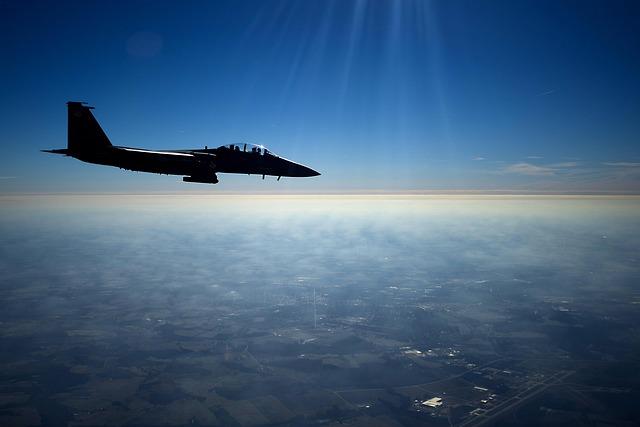
In a dramatic escalation of tensions in the Western Hemisphere, recent U.S. military strikes on Venezuela have ignited concern and condemnation across Latin America and beyond. The airstrikes, which the U.S. government justified as necessary actions against what it termed “aggressive posturing” from the Venezuelan regime, have raised alarms about regional stability and the potential for wider conflict. Diplomats, government officials, and citizens throughout the Americas are grappling with the implications of this military intervention, fearing it could exacerbate already fraught relations between the U.S. and several Latin American nations. As the fallout continues to unfold, leaders across the region are calling for dialogue and restraint, while many observers worry about the impact of such actions on humanitarian conditions in Venezuela and the broader geopolitical landscape.
U.S. Military Action in Venezuela Raises Regional Tensions and Security Concerns
The recent military strikes authorized by the U.S. government against Venezuela have elicited widespread concern among neighboring countries and international observers. In the wake of these actions, regional leaders have expressed fears that escalated hostilities could disturb the fragile security dynamics in Latin America. Diplomats and analysts are voicing their apprehensions regarding potential spillover effects, including increased refugee flows, heightened military presence, and the possibility of armed conflict reigniting in already volatile areas. Key considerations include:
- Geopolitical Stability: The U.S. strikes might embolden opposition groups in Venezuela while escalating tensions with the Maduro regime.
- Regional Alliances: Countries such as Brazil and Colombia are on alert, fearing that Venezuelan instability could lead to cross-border conflicts and economic instability.
- Humanitarian Crisis: An increase in conflict may worsen an already critical humanitarian situation, leading to more Venezuelans seeking asylum in neighboring countries.
Furthermore, the international community is grappling with the implications of U.S. intervention. Events in Venezuela are transforming regional alliances and prompting discussions around sovereignty and interventionist policy. Some countries are rallying in support of Venezuela as a reaction to perceived imperialistic motives, while others are caught in a complex web of diplomatic relations that complicate their responses. Noteworthy responses include:
| Country | Response |
|---|---|
| Brazil | Increased border security, calls for diplomatic solutions. |
| Colombia | Prepared to address a potential influx of refugees. |
| Mexico | Reiterated commitment to non-intervention and dialogue. |
| Argentina | Expressed support for Venezuelan sovereignty, called for peace talks. |
International Response to U.S. Strikes: Calls for Diplomacy and De-escalation
The recent military strikes carried out by the United States against Venezuela have elicited a swift and mostly critical response from nations across Latin America and beyond. Regional leaders have expressed deep concern over the escalation of military actions, calling for urgent diplomatic measures to address the underlying tensions. Prominent voices in the community, such as the President of Mexico, have emphasized the importance of dialogue over confrontation, stating that “military solutions are never the answer to political problems.” Key points raised in the joint statements from various governments include:
- Condemnation of Unilateral Actions: Several countries condemned the U.S. strikes as a violation of Venezuelan sovereignty.
- Calls for Peaceful Negotiation: Leaders advocate for renewed talks among all parties involved to seek a sustainable diplomatic resolution.
- Potential for Regional Destabilization: Concerns were raised about the possibility of wider unrest across Latin America as a result of U.S. aggression.
International organizations have also echoed these sentiments, suggesting that the escalation could undermine years of diplomatic efforts aimed at stabilizing the region. The Organization of American States (OAS) and the United Nations have both called for a return to diplomacy and caution against further military action that could endanger civilian lives and exacerbate the humanitarian crisis ongoing in Venezuela. A summary of international reactions is outlined in the table below:
| Country/Organization | Response |
|---|---|
| Brazil | Denounced the strikes, calling for diplomatic channels to be prioritized. |
| Argentina | Called for a meeting of regional leaders to discuss the situation. |
| Chile | Expressed concern over potential violations of human rights. |
| UN | Requested an investigation into civilian impacts of the strikes. |
Assessing the Impact of U.S. Intervention on Venezuelan Civilians and Neighboring Countries
The recent U.S. military strikes in Venezuela have raised urgent questions about the humanitarian impact on the civilian population caught in the crossfire. While the U.S. government asserts that these strikes aim to restore democracy and target leaders linked to the Maduro regime, reports from various human rights organizations indicate that the civilian toll is significant. Civilians are experiencing heightened fear and instability, with many reporting shortages of basic necessities due to disrupted supply chains. Warnings have emerged regarding the potential for a humanitarian crisis, which could further exacerbate the plight of already vulnerable communities.
Moreover, neighboring countries are grappling with the broader implications of U.S. intervention, particularly in relation to refugee movements. With thousands fleeing Venezuela due to violence and economic collapse, countries like Colombia, Brazil, and Peru are facing increased pressure on their services and resources. Regional leaders are calling for diplomatic solutions, emphasizing the need for collaboration to mitigate the fallout from military actions. The situation creates a precarious balance within Latin America, as nations strive to support the influx of Venezuelan refugees while navigating the geopolitical tensions stirred by external military involvement.
In Retrospect
As tensions escalate following the recent U.S. strikes on Venezuela, the implications extend beyond the borders of the beleaguered nation. Latin American leaders and international observers are voicing concerns about the potential for destabilization in the region, emphasizing the need for diplomatic solutions in lieu of military interventions. With calls for a united regional response growing louder, the international community grapples with the profound questions raised by the U.S. actions and their consequences for Venezuelan sovereignty. As the situation unfolds, all eyes will remain on how both regional powers and global actors navigate this precarious moment in Latin American geopolitics.