Harnessing the Power of Nearshoring: Opportunities in Latin America
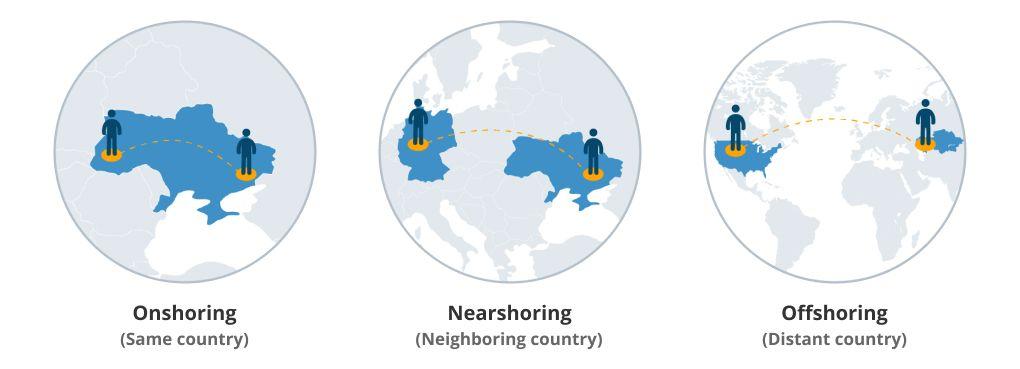
In light of recent global disruptions,businesses are rethinking their supply chain strategies,and nearshoring has emerged as a viable solution to mitigate risks while boosting operational efficiency. Latin America is increasingly recognized as an attractive location for companies aiming to move production closer to the United States and other significant markets. The region’s geographical advantages, skilled labor force, and evolving trade agreements create a fertile ground for various industries, from manufacturing to technology. This article delves into the benefits of nearshoring in Latin America, highlighting which sectors and countries are best positioned to capitalize on this trend. As firms consider relocating operations southward, the implications for local economies and international supply chains are significant.
Economic Benefits of Nearshoring for U.S. Businesses
As American companies assess the potential gains from nearshoring, several economic benefits come into focus—especially when considering Latin America’s geographic and cultural similarities. By relocating production closer to home bases, businesses can achieve significant savings in logistics and transportation costs. The reduced distance not only lowers shipping expenses but also accelerates delivery times, allowing firms to respond more quickly to market fluctuations. Furthermore, many countries in Latin America offer competitive labor costs that enable U.S. companies to keep their expenses manageable while potentially increasing profit margins.
The advantages extend beyond cost savings; nearshoring also enhances collaboration opportunities between U.S.-based firms and local suppliers or service providers due to similar time zones and cultural connections. This synergy is further supported by a growing pool of talent, particularly skilled professionals across sectors like technology and manufacturing—empowering U.S. businesses with greater innovation capabilities tailored toward customer demands.
- Diminished operational risks,resulting from fewer disruptions within supply chains.
- Improved versatility, enabling quicker adaptation to shifting market dynamics.
- Tighter regional connections, which can open doors for new business ventures.
Industries in Latin America Ready for Growth Through Nearshoring
A variety of sectors within Latin America are well-positioned for growth as companies seek optimization through nearshoring strategies. At the forefront is manufacturing; nations like Mexico and Brazil stand out due to their proximity to the U.S., equipped with skilled workforces alongside established industrial frameworks that help minimize lead times along with logistics expenditures.
Additionally,technology services (including software advancement) are rapidly expanding thanks largely due a burgeoning talent base comprising engineers proficient in tech solutions—making it an appealing hub for digital transformation projects.
Apart from manufacturing and technology services,Agriculture & agro-processing sectors will likely see considerable advancements too.As consumer preferences shift towards sustainable practices & organic products,Latin American countries have become key suppliers catering healthier food options across North America.
Moreover,logistics & shipping services will experience increased demand as organizations require efficient transport solutions supporting this growing trend towards nearshore operations.The following table outlines critical industries along with their anticipated growth rates over upcoming years:
| Sectors | Expected Growth Rate (%) | Main Markets |
|---|---|---|
Strategic Guidelines for Companies Exploring Nearshore Options
To maximize success when pursuing nearshore opportunities within Latin American markets,several strategic guidelines should be considered.Firstly,businesses must conduct comprehensive assessments regarding potential host countries based on criteria such aswage levels,strong infrastructure availability,and political stability .Evaluating local regulations alongside trade agreements plays an essential role during decision-making processes ensuring seamless integration into new environments.Collaborating closely with regional consultants or industry specialists provides invaluable insights aiding navigation through possible challenges ahead .
Secondly ,companies ought prioritize establishing robust partnerships among local stakeholders including suppliers.This entails fostering knowledge exchange while creating clear communication channels promoting collaboration.Additionally ,investing resources into training programs designed specifically around enhancing skills among local employees boosts productivity levels significantly.Key factors contributing towards accomplished transitions include :
-
<
- Market Analysis : Gain insights about demographics coupled consumer behavior patterns .
- Regulatory Adherence : Familiarize yourself thoroughly regarding applicable laws alongside trade policies .
- Cultural Integration : Encourage cross-cultural understanding throughout teams involved.
- Technological Adaptation:(Leverage advanced technologies streamline processes enhance communication effectiveness ) ;
<
<
<