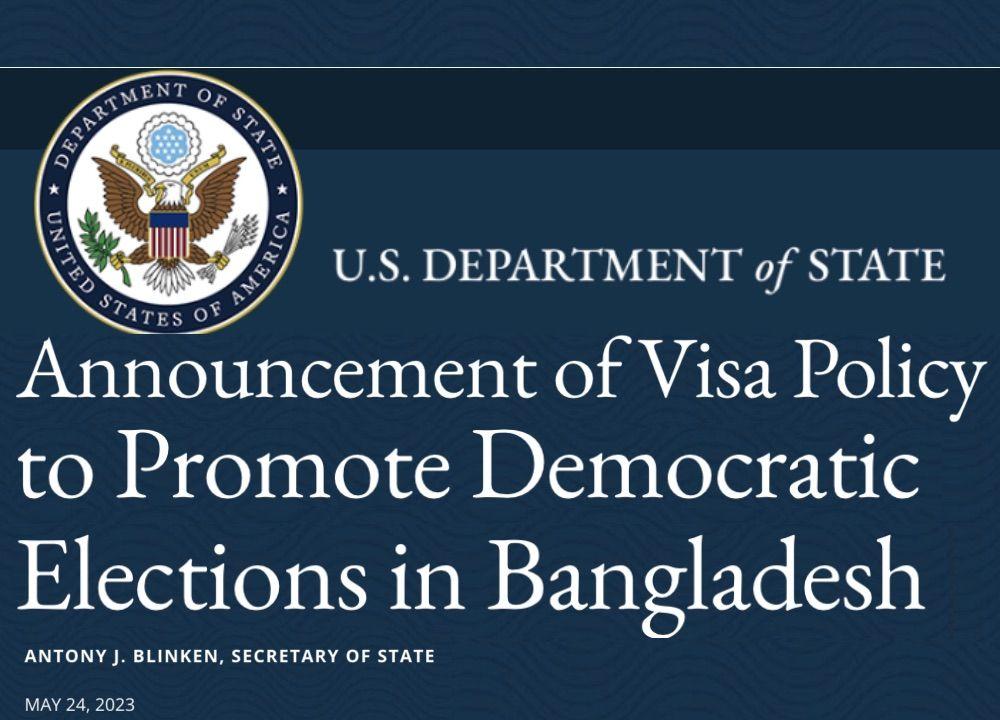
In a significant shift in diplomatic relations, the United States is contemplating a series of visa and trade sanctions against Chile following the South American nation’s increasingly vocal distancing from Israel. As tensions escalate in the Middle East, Chile’s government has taken a firm stance on the ongoing conflict, aligning itself with broader criticisms of Israel’s policies. This diplomatic pivot has sparked a contentious debate in Washington, where officials assess the potential implications of a punitive response on both nations’ relations. The situation underscores the complexities of international diplomacy and the impact of geopolitical alignments on economic ties. As the U.S. weighs its options, stakeholders on both sides are bracing for potential fallout, signaling a critical juncture in U.S.-Chile relations amidst a shifting global landscape.
US Evaluates Impact of Visa Sanctions on Chile Amidst Rising Tensions with Israel
The United States government is closely monitoring the evolving relationship between Chile and Israel, particularly in light of Chile’s recent decisions to distance itself diplomatically from the Middle Eastern nation. As tensions escalate due to various geopolitical issues, the US administration is considering a range of responses, including visa sanctions aimed at Chilean officials who may be contributing to the deterioration of bilateral relations. This potential measure is part of a broader strategy to signal Washington’s unwavering support for Israel while recalibrating its diplomatic ties with other nations in the region.
Experts are debating the potential ramifications of such sanctions on Chile’s economy and its international standing. Key points under consideration include:
- Economic Impact: Potential declines in tourism and trade.
- Political Fallout: Strengthened ties with rival nations or groups.
- Public Sentiment: Growing domestic pressure on the Chilean government.
| Measure | Possible Outcome |
|---|---|
| Visa Sanctions | Reduced diplomatic engagement |
| Trade Tariffs | Economic strain on local businesses |
| Public Statements | Heightened tensions in South America |
Trade Sanctions on the Table as Chile Reassesses Diplomatic Ties
As diplomatic rifts widen, the United States is preparing to implement potential visa and trade sanctions against Chile in response to the South American nation’s recent disavowal of Israel. US officials are closely monitoring Chile’s evolving foreign policy stance, which has raised eyebrows in Washington. The State Department is particularly concerned about statements emanating from Santiago, which seem to align more closely with anti-Israel sentiments prevalent in other parts of Latin America. The repercussions could be significant, affecting not only bilateral trade but also the flow of Chilean citizens traveling to the US.
While the details of the sanctions remain under discussion, officials suggest a range of measures could be considered, including:
- Restrictions on Export Licenses: Limiting the sale of military and dual-use technologies.
- Increased Tariffs: Applying tariffs on specific Chilean goods to curb imports.
- Visa Restrictions: Targeting those officials associated with the diplomatic shift.
As negotiations continue, the situation warrants close observation, especially against the backdrop of Chile’s traditional alliances and its economic dependencies. The potential sanctions could reshape the landscape of trade relations considerably between the two nations.
Expert Insights on Strategies to Mitigate Economic Fallout for Chile and the US
As geopolitical tensions rise, both Chile and the United States face the challenge of recalibrating their economic strategies. To mitigate potential fallout, experts suggest a multifaceted approach that prioritizes bilateral trade agreements while reassessing existing sanctions. Key strategies include:
- Enhancing Trade Diversification: Exploring new markets to reduce dependency on traditional partners.
- Fostering Collaboration: Establishing joint ventures in sectors like technology and renewable energy.
- Adapting Supply Chains: Investing in local manufacturing to minimize disruptions arising from international constraints.
Moreover, the possibility of visa and trade sanctions as a response to Chile’s veering away from Israel presents both risks and opportunities. Experts advocate for proactive measures that could include:
- Engaging Local Industry: Incentivizing businesses in both countries to strengthen relations amid potential sanctions.
- Policy Revisions: Reviewing existing sanctions to ensure they do not hinder crucial economic growth.
- Strategic Communication: Implementing clear channels to convey economic intentions and mitigate investor uncertainty.
Future Outlook
In conclusion, the ongoing diplomatic shift between the United States and Chile, particularly in relation to Israel, signifies a complex interplay of geopolitical interests and regional alliances. As the U.S. weighs possible visa and trade sanctions in response to Chile’s distancing from its longstanding support of Israel, the ramifications could reverberate through international relations and economic ties. As this situation unfolds, stakeholders on all sides will be watching closely, aware that the decisions made now could set a precedent for future diplomatic engagements in the region. The evolving dynamics highlight the intricate balance between foreign policy, economic strategy, and international solidarity, underscoring the ever-changing landscape of global diplomacy.