
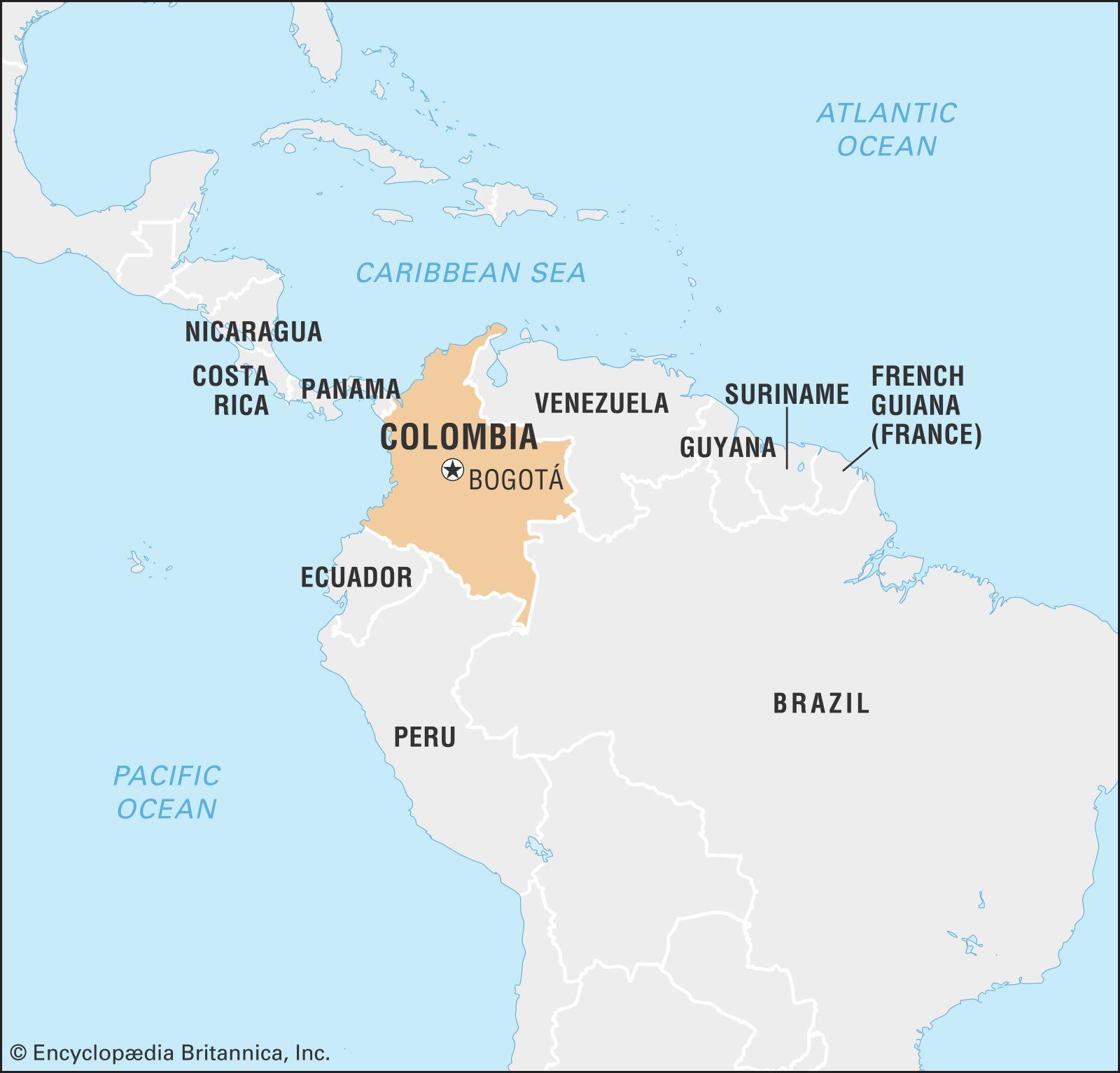
In the ongoing battle against drug trafficking and its far-reaching consequences, Colombia stands as a pivotal ally for the United States. As the nation grapples with the resurgence of cocaine production and the violence that accompanies it, the stakes have never been higher. A recent opinion piece in The Washington Post highlights the critical need for sustained American support in Colombia’s drug fight, warning that a withdrawal of resources and attention could have dire ramifications not only for Colombia but also for the broader stability of the region and the United States itself. With trends in drug consumption and production shifting drastically, the dialogue around America’s commitment to this partnership is both timely and essential. In a complex geopolitical landscape marked by increased competition and instability, the question looms: can the U.S. afford to sideline an ally that plays such a crucial role in the fight against drugs?
The Strategic Importance of Colombia in the Global Drug War
The ongoing struggle against narcotics in Colombia is pivotal not only for the nation itself but also for regional stability and international security. Colombia serves as a major producer of coca, the primary ingredient in cocaine, and its geographical positioning sees it intertwined with multiple countries that are both source and transit points for drug trafficking. The consequences of abandoning support for Colombia’s anti-drug efforts would spell dire repercussions, not just for Colombian society, but also for the United States and its allies, who increasingly see the effects of drug-related violence and crime ripple beyond borders. Essential factors include:
- Geographical Intersection: Colombia’s location links it with key drug routes to Central America and beyond.
- Impact on Regional Stability: A weakened Colombian government could embolden criminal organizations in neighboring countries.
- Global Narcotics Demand: The perpetual high demand for cocaine necessitates ongoing cooperation in drug enforcement.
Moreover, Colombia has developed a variety of strategies aimed at combating drug production and trafficking. These include integrating local community programs that offer sustainable alternatives to coca farming, which is essential for addressing the root causes of cultivation. A collaborative approach by the United States and Colombia could enhance the effectiveness of these programs, ensuring that local economies are not solely reliant on the illicit drug trade. To support ongoing efforts, it is critical to consider:
| Strategy | Objective |
|---|---|
| Community Development | Offer sustainable alternatives to food crops. |
| Joint Operations | Enhance intelligence-sharing between U.S. and Colombian forces. |
| Capacity Building | Strengthen the Colombian police and military. |
In this intricate battle against drugs, it’s not merely a question of resources but a matter of international solidarity. Colombia’s role as a frontline state in the global drug war is one that requires unwavering support and commitment from international partners, particularly the United States. Failure to recognize Colombia’s strategic importance may not only embolden cartels but could also lead to significant ramifications far beyond Latin America.
Evaluating the Consequences of Reduced U.S. Support
The implications of diminishing U.S. support for Colombia’s anti-drug initiatives cannot be overstated. Without significant assistance, Colombia risks regressing into patterns of violence and unrest that have plagued the country in the past. The reduction in funding could adversely affect key areas such as:
- Law Enforcement: A decline in resources may hinder the effectiveness of Colombian police and military operations against drug cartels.
- Alternative Development: Without investment in sustainable agricultural practices, farmers may resort to coca cultivation as the only viable economic option.
- International Stability: A rise in drug production could destabilize not only Colombia but also other countries in the region, promoting transnational crime.
Furthermore, the degradation of bilateral relations can lead to broader geopolitical consequences. Should Colombia’s drug production surge, international partnerships will weaken, affecting various regional cooperation efforts. A lack of U.S. engagement could result in:
- Increased Drug Trafficking: A vacuum of support may allow cartels to regain power, leading to a rise in drugs entering the U.S.
- Public Health Crisis: An influx of Colombian drugs can exacerbate addiction and related health issues in American communities.
- Human Rights Violations: As law enforcement struggles without support, human rights abuses may rise amid the chaos.
Proposed Pathways for Enhanced Collaboration and Effective Solutions
The challenges posed by Colombia’s drug trade demand a concerted effort from both the United States and Colombia. By fostering a multi-faceted approach to collaboration, both nations can leverage their strengths to address the root causes of drug production and trafficking. Some potential avenues for enhanced cooperation include:
- Intelligence Sharing: Establishing a robust framework for exchanging real-time data on drug trafficking networks.
- Development Initiatives: Investing in social programs that provide alternative livelihoods for farmers involved in coca cultivation.
- Regional Partnerships: Collaborating with neighboring countries to address transnational drug threats comprehensively.
- Judicial Support: Strengthening Colombia’s judicial system to ensure effective prosecution of drug-related crimes.
Furthermore, the successful implementation of these strategies hinges on continuous dialogue and mutual respect. Establishing regular bilateral meetings can facilitate the alignment of priorities and the sharing of best practices. A practical framework could involve:
| Action Item | Implementation Timeline |
|---|---|
| Launch Joint Task Forces | Q1 2024 |
| Increase Funding for Alternative Development | Ongoing |
| Establish Regional Security Forums | Q2 2024 |
By creating avenues for engagement and shared responsibility, the U.S. and Colombia can not only tackle drug-related issues more effectively but also foster a sustainable path toward stability and growth in the region.
In Summary
As the complex web of drug trafficking and violence continues to challenge Colombia, it is imperative that the United States remains a committed partner in the fight against these pervasive issues. Abandoning Colombia could lead to grave consequences not only for the Andean nation but also for regional stability and U.S. interests. The relentless cycle of drug production, trafficking, and associated violence demands a continuous and strategic approach that addresses both immediate security needs and the long-term socio-economic factors at play. As policymakers evaluate their foreign aid agendas and international partnerships, a reinvigorated commitment to Colombia’s drug fight should stand as a priority. The stakes are high, and the implications of inaction would reverberate far beyond Colombia’s borders. In the quest for a safer, more prosperous future, America must recognize that its engagement in Colombia is not merely a matter of foreign aid, but an investment in a shared destiny.











