
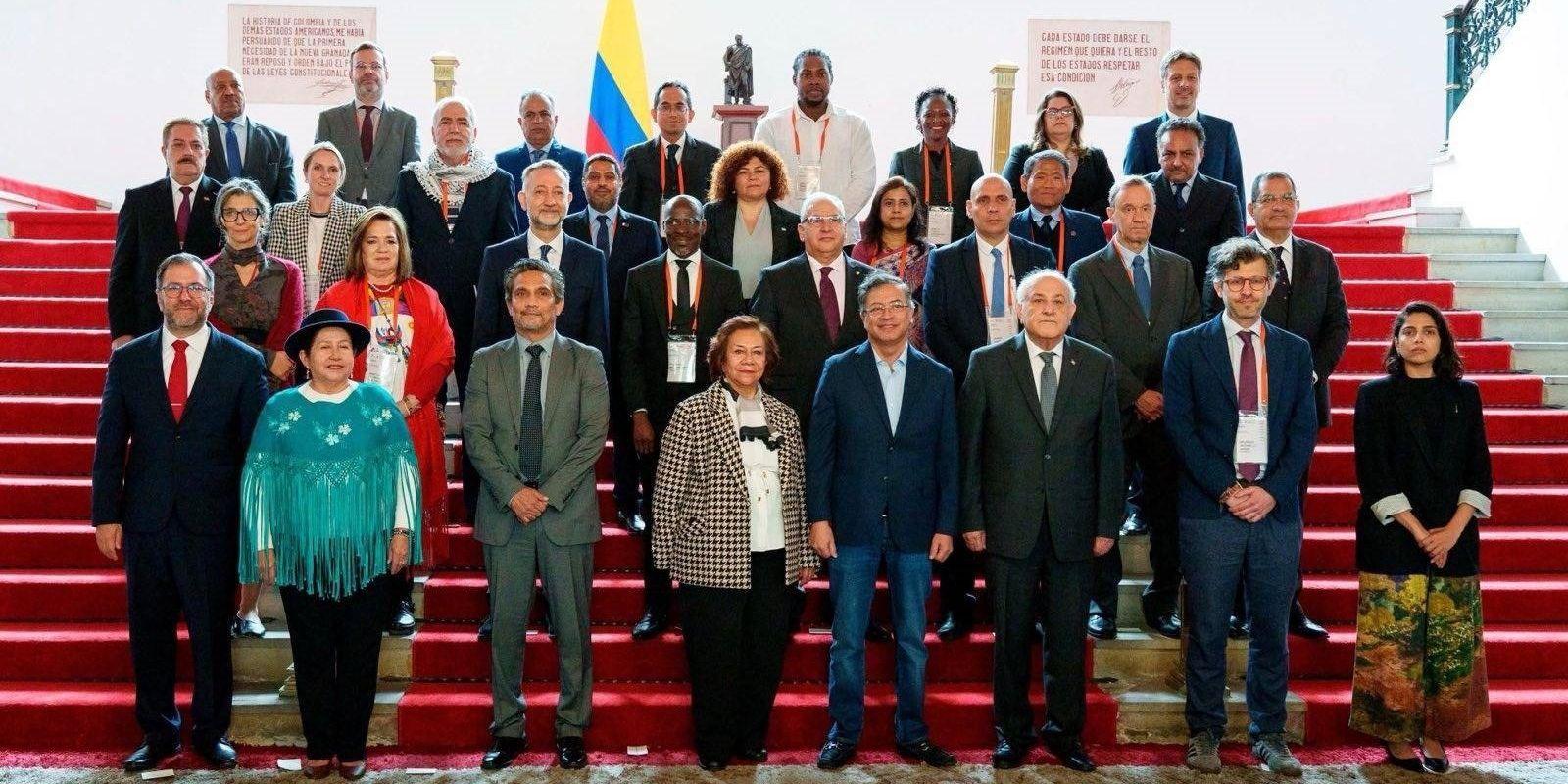
In a significant development at the recent Colombia summit, the Hague Group has announced a series of sanctions against Israel, marking a bold move in the ongoing discourse surrounding international responses to conflicts in the Middle East. This decision, made during discussions focused on regional cooperation and human rights, highlights the growing concerns among Latin American nations regarding Israel’s policies in Palestinian territories. As the summit brought together leaders from across the region, the sanctions signify a pivotal moment in Latin America’s foreign policy, reflecting a shift towards a more assertive stance on international justice and accountability. The implications of these sanctions will be closely watched, as they could reshape diplomatic relations and influence future engagements between Latin American countries and Israel.
Hague Group Targets Israel with Sanctions at Colombia Summit Amid Rising Tensions
The recent summit in Colombia has marked a significant turning point in international diplomacy as the Hague Group announced a series of sanctions targeting Israel, driven by escalating tensions in the region. Key member states voiced concerns over Israel’s actions, prompting a unified call for accountability from the international community. These sanctions aim to address issues such as human rights violations and the ongoing conflict, reflecting a growing sentiment among Latin American countries to take a stand on global matters.
The sanctions imposed by the Hague Group are expected to include:
- Trade Restrictions: Limitations on imports and exports with Israeli companies.
- Financial Sanctions: Freezing assets linked to Israeli entities.
- Diplomatic Measures: Reducing diplomatic ties and influence within international organizations.
This strategic move by the Hague Group could potentially reshape alliances and alter the geopolitical landscape, as Latin American nations increasingly assert their position on international issues.
Analyzing the Implications of Sanctions: Impact on Regional Stability and International Relations
The recent decision by the Hague Group to impose sanctions against Israel during the summit in Colombia marks a significant shift in diplomatic strategies and regional dynamics. These sanctions are primarily aimed at addressing alleged human rights violations, which have prompted concerns over their implications for stability within the Middle East and beyond. The unity among Latin American nations in this initiative highlights a growing resolve to challenge actions perceived as transgressions against international norms. As these sanctions take effect, they might catalyze a reevaluation of relationships between the affected nations and their allies, influencing everything from trade agreements to security pacts.
Furthermore, the sanctions could exacerbate existing tensions, leading to potential retaliatory measures from Israel. Analysts warn that such actions might foster a cycle of escalation, affecting not only bilateral relations but also broader multilateral engagements. Notably, regional players could find themselves navigating a complex landscape characterized by divided allegiances and realigned partnerships. The following table summarizes the potential consequences of the sanctions on key areas:
| Area | Potential Consequences |
|---|---|
| Regional Stability | Increased tensions with potential for conflict escalations |
| International Relations | Shift in alliances and new diplomatic blocs |
| Trade | Disruptions in trade routes and impact on economies |
| Human Rights | Heightened global scrutiny and calls for accountability |
Recommendations for Diplomatic Engagement: Navigating the Path Forward for Latin America and Israel
As tensions escalate in the Middle East, it is imperative for Latin American countries to adopt a multifaceted approach to diplomatic engagement with Israel. This entails recognizing the complexities of regional geopolitics while fostering avenues for constructive dialogue. Key strategies for fostering more productive relations may include:
- Establishing bilateral dialogues that prioritize humanitarian concerns
- Encouraging Latin American nations to engage with civil society and grassroots movements
- Promoting economic partnerships that benefit both regions, particularly in technology and agriculture
Leveraging historical connections and shared interests can facilitate a more nuanced conversation that transcends partisan divides. By addressing mutual challenges, such as climate change and security, Latin American leaders can encourage Israel to adopt a more cooperative regional stance, fostering a wider peace-building framework.
Moreover, diplomatic efforts should focus on creating platforms for mediation and conflict resolution inspired by collective regional solutions. This can be achieved through the establishment of working groups that include diverse voices from both Latin America and the Middle East. To illustrate potential collaborative frameworks, the table below highlights key areas of interest:
| Area of Focus | Potential Initiatives | Expected Outcomes |
|---|---|---|
| Humanitarian Aid | Joint distribution of aid in crisis zones | Improved relations through shared humanitarian goals |
| Cultural Exchange | Art and education programs across borders | Strengthened mutual understanding and respect |
| Trade Collaboration | Bilateral trade agreements focusing on diverse exports | Enhanced economic ties fostering stability |
Key Takeaways
In conclusion, the Hague Group’s decision to impose sanctions against Israel during the recent summit in Colombia marks a significant moment in international diplomacy and Latin American relations. As member nations reaffirm their commitment to addressing humanitarian concerns and seeking accountability in the ongoing Israeli-Palestinian conflict, the implications of this move will undoubtedly reverberate across the region and beyond. Observers will be closely monitoring how these sanctions influence diplomatic discourse and whether they pave the way for broader changes in policy among member states. As discussions continue, the global community remains vigilant in the pursuit of justice and stability in one of the world’s most enduring conflicts.











