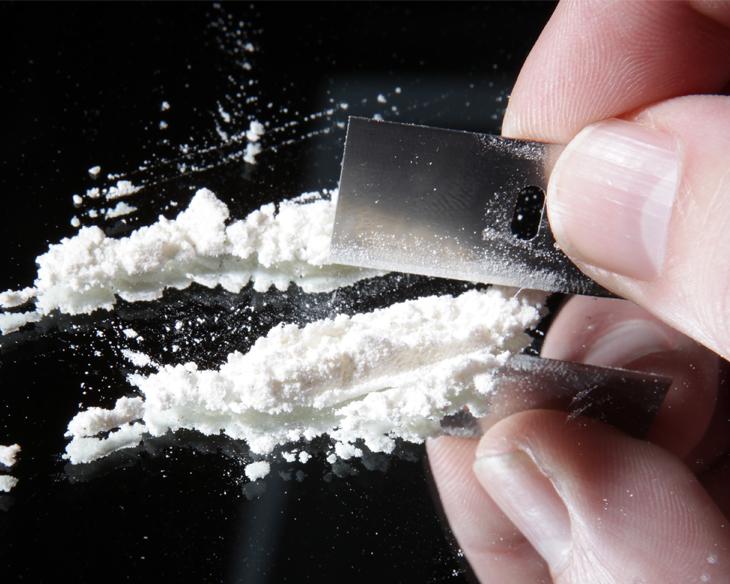
Colombian President’s Bold Stance on Cocaine and Alcohol
In a provocative declaration that has sparked intense discussions both within Colombia and internationally, President Gustavo Petro has asserted that cocaine is “no worse than whisky.” This statement challenges entrenched beliefs about the drug and its societal implications. Made during a recent press briefing, Petro’s comments reflect a transformative approach too drug policy in a nation historically affected by the repercussions of the narcotics industry. As one of the leading producers of cocaine globally, Colombia finds itself at a crossroads where these remarks could catalyze conversations about addiction, public health, and the effectiveness of existing drug regulations.
Reevaluating Legal Status: Cocaine vs. Alcohol
The Colombian leader’s comparison between cocaine and alcohol calls for an urgent reassessment of their legal standings.He emphasized the glaring disparities in societal attitudes towards these substances while highlighting how they are treated differently under current laws. Many public health professionals advocate for regulating cocaine similarly to alcohol as a means to reduce violence and corruption associated with its trade. This outlook directly confronts the customary narrative that vilifies cocaine while romanticizing alcohol consumption as socially acceptable.
Proponents of this regulatory approach outline several potential advantages:
- Crime Reduction: Establishing a regulated market could weaken cartel influence and enhance community safety.
- Public Health Advancement: Regulation may facilitate better data collection and quality assurance for consumers.
- Resource Allocation: Law enforcement could shift focus from punitive measures to prevention strategies and treatment programs.
This proposal has elicited mixed responses; critics warn against normalizing drug use. However, it reflects an expanding global conversation regarding drug policies focused on harm reduction rather than outdated stigmas.
Global Impact: Shifting Drug Policy Perspectives
The assertion made by Colombia’s president—that cocaine is “no worse than whisky”—has ignited meaningful debate surrounding international drug policies. This bold claim may prompt nations worldwide to reevaluate their classifications of drugs like cocaine—frequently enough deemed hazardous illicit substances subject to harsh penalties—and consider more lenient approaches akin to those applied to alcohol regulation. By equating these two substances, Petro advocates for viewing substance use through a public health lens rather than solely through criminal justice frameworks; this shift could reshape global discussions around drug policy reform.
The impact on public perception regarding substance use is highly likely profound following such high-profile statements from leaders like Petro. As dialogues around decriminalization gain momentum alongside therapeutic applications for various substances, citizens might begin reassessing their views on cocaine relative to its social acceptance compared with alcohol consumption patterns. Community discussions may evolve into more open conversations about addiction issues, societal impacts, education over punishment strategies—ultimately fostering comprehensive policies aimed at protecting public health while addressing root causes behind substance abuse instead of merely penalizing users.
Harm Reduction Strategies: Insights from Alcohol Regulation Applicable to Cocaine Use
The Colombian president’s analogy linking cocaine with whisky has reignited interest in harm reduction strategies concerning substance regulation practices. This comparison encourages society to reconsider how it perceives substance use while exploring regulatory frameworks that can help mitigate risks associated with both drugs effectively.
Just as there are controls governing alcohol—including age restrictions, designated consumption areas, advertising limitations—similar regulations might be applicable for managing coca products responsibly.
By examining ancient precedents set by alcohol regulation efforts globally policymakers can identify effective practices adaptable into new models prioritizing safety alongside public health considerations when dealing with coca products.
Certain key elements derived from successful harm reduction initiatives related specifically towards alcoholic beverages include:
- Aging Restrictions: Implementing legal age limits for purchasing or using coca products would protect vulnerable demographics within society.
- Sourcing Quality Control Measures: Regulating purity levels ensures consumer safety against contamination risks or overdose incidents linked directly back towards unregulated markets currently prevalent today!
- A Public Education Campaign Approach: Informative outreach similar campaigns targeting binge drinking behaviors should also extend awareness efforts surrounding potential dangers posed by consuming coca-based items encouraging informed decision-making among individuals!
| Substance | Current Regulation Status | Potential Harm Reduction Opportunities | |
|---|---|---|---|
| Alcohol | Age limits , taxes , licensing | Safer environments promoting responsible usage | |
| Cocaine | Illegal status | Quality control measures , educational initiatives , regulated distribution channels |
| Substance | Current Regulation Status | Potential Harm Reduction Opportunities |
|---|---|---|
| Cocaine | No formal regulations | Pursuing quality control measures & educational outreach |
Conclusion: A New Era in Drug Policy?
President Gustavo Petro’s controversial remarks equating cocaine with whisky have sparked significant discourse regarding both national & international perspectives toward narcotics management . His statements underscore an increasing demand for reevaluation concerning conventional approaches taken during previous decades surrounding illicit drugs .As Colombia navigates complex relationships tied closely together involving narcotics trade along side shifting perceptions held worldwide ; outcomes stemming from this dialog will likely shape future legislation impacting not only Colombians but also broader communities grappling similar challenges faced across globe today.



Conquering the Darién Gap: The Dangerous Quest for a New Life in America
As migrants navigate the perilous trails of the Darién Gap, they face a host of formidable challenges, from hidden wildlife...
Read more