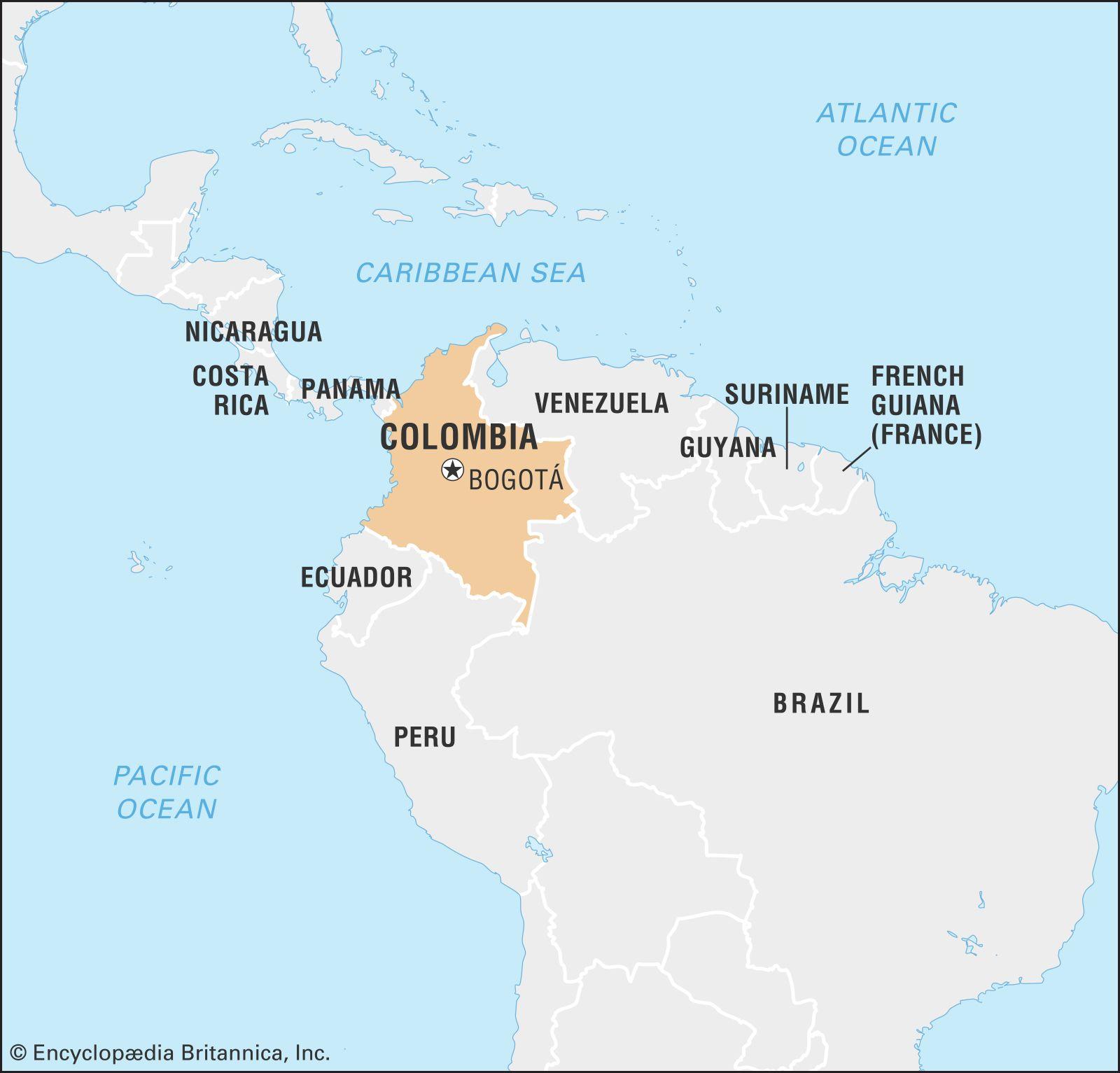
As Colombia grapples with its persistent struggle against drug cartels and escalating cocaine production, recent reports indicate that the Andean nation is facing mounting fears of decertification by the United States. This concern arises amid alarming statistics that suggest cocaine production has surged to unprecedented levels, raising questions about the effectiveness of Colombia’s anti-drug strategies. The United States, a crucial ally and primary consumer of Colombian cocaine, employs decertification as a tool to hold foreign governments accountable for failing to combat drug trafficking. With the stakes higher than ever and domestic tensions simmering, Colombia finds itself at a critical crossroads, where both its international relations and efforts to combat this insidious trade hang in the balance. As we delve into the complexities of Colombia’s drug crisis, we examine the implications of increasing coca cultivation and the potential repercussions on its diplomatic standing.
Colombia’s Surge in Cocaine Production Raises International Concern
The alarming rise in cocaine production in Colombia has sparked intense scrutiny and concern among international policymakers and law enforcement agencies. Recent reports indicate that cocaine production in Colombia has reached unprecedented levels, with estimates suggesting a production capacity exceeding 1,700 tons annually. This surge poses not only a significant challenge to Colombia’s attempts to combat drug trafficking but also raises serious implications for regional stability and global drug markets. Key factors contributing to this escalation include:
- Increased cultivation of coca plants: With fertile land and favorable conditions, coca cultivation has surged in rural areas, often outpacing government eradication efforts.
- Weakening of law enforcement: Widespread corruption and limited resources have hindered the effectiveness of anti-drug initiatives.
- Demand from international markets: Growing global demand for cocaine has provided a financial incentive for producers, despite the risks involved.
Furthermore, the repercussions of this resurgence in drug production are being felt beyond Colombia’s borders. Neighboring countries are grappling with the spillover effects of increased violence associated with organized crime and trafficking networks. To illustrate the magnitude of the impact, consider the following table that outlines some of the key countries affected by Colombia’s cocaine trade:
| Country | Impact Level | Key Challenges |
|---|---|---|
| Venezuela | High | Increased crime rates and territorial disputes among gangs |
| Peru | Moderate | Strengthening criminal networks and smuggling routes |
| Mexico | Severe | Escalating violence and turf wars |
Impacts on National Policy and Regional Stability Amid Decertification Threats
The prospect of decertification looms large over Colombia, threatening not only the country’s international relations but also its internal policy frameworks. If the United States were to withdraw its certification of Colombia as a partner in the drug-fighting effort, it could catalyze significant changes in aid and diplomatic engagement. The repercussions would likely extend to such areas as:
- Economic Aid Cuts: A reduction in U.S. financial assistance could severely limit Colombia’s capacity to combat drug trafficking effectively.
- Technical Support Disruption: The cessation of crucial support programs that aid law enforcement and anti-narcotics initiatives could exacerbate the situation.
- Trade Implications: Decertification may lead to trade disruptions, affecting the agricultural sector and deepening economic vulnerabilities.
Furthermore, the escalating cocaine production has broader implications for regional stability, potentially igniting tensions within neighboring countries also grappling with narcotics-related violence. As Colombian cartels become more sophisticated in their operations, the spillover effects could lead to heightened crime rates and a surge in displacement across borders. Possible ramifications include:
- Increased Migration: A rising tide of Colombians may seek refuge in surrounding nations, straining resources and fueling xenophobic sentiments.
- Cross-Border Violence: Rival gangs may spill over into Latin America, leading to turmoil and conflict in vulnerable regions such as Central America.
- Strengthening of Criminal Networks: A more fragmented Colombian state could empower transnational criminal organizations, complicating efforts for cohesive regional security.
Strategies for Mitigating Drug Trafficking and Strengthening Governance in Colombia
The increasing prevalence of cocaine production in Colombia presents formidable challenges, necessitating a multi-dimensional approach tailored to combat drug trafficking while simultaneously fortifying governance structures. Law enforcement agencies must enhance their operational capabilities through advanced intelligence-sharing mechanisms and international collaboration with agencies such as the DEA and INTERPOL. Additionally, community engagement programs aimed at educating local populations about the consequences of drug trade can create a more resilient social fabric that rejects involvement in illicit activities. Essential strategies could include:
- Strengthening Law Enforcement: Allocating resources for better training and equipment.
- Promoting Alternative Development: Supporting rural farmers with sustainable crop alternatives.
- Improving Judicial Processes: Reforming the judiciary to efficiently handle drug-related cases.
Moreover, fostering a transparent governmental framework is crucial for gaining public trust and curtailing corruption that often permeates governance institutions. Institutions must implement robust oversight mechanisms that ensure accountability in public spending and decision-making processes. Initiatives that promote civic participation, such as town hall meetings and public consultations on drug policies, can also engender greater community involvement in governance. The table below outlines key elements that could contribute to enhancing governance in Colombia:
| Element | Description |
|---|---|
| Transparency | Implementing open access to government budgets and decision-making. |
| Accountability | Establishing independent bodies to oversee anti-corruption efforts. |
| Community Empowerment | Encouraging local participation in governance and policy-making. |
Future Outlook
As Colombia grapples with the alarming rise in cocaine production, fears of decertification from the United States loom large over the nation. The increasing potency and availability of cocaine are raising concerns about the effectiveness of anti-drug measures and the broader implications for Colombia’s economy and international standing. As both governments navigate this complex issue, the stakes are higher than ever, with potential repercussions extending beyond Colombia’s borders. Ongoing discussions will be critical in determining the future of Colombia’s drug policies and its relationships with international partners. As the situation unfolds, stakeholders on all sides will be watching closely, aware that the ramifications of this crisis will be felt for years to come.