
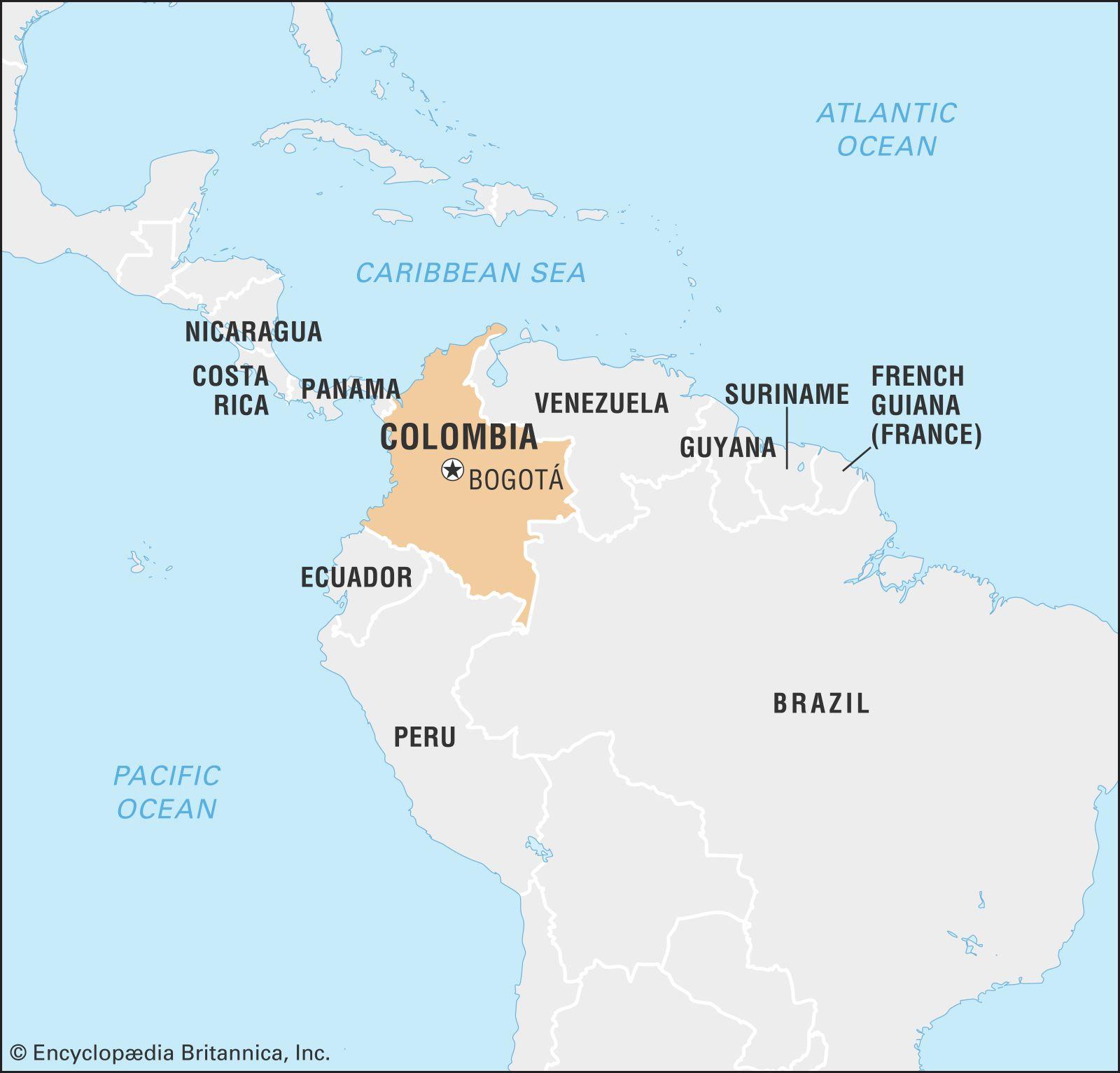
In the heart of Colombia, a group of resilient Indigenous leaders known as the Indigenous Guard stands at the forefront of a critical battle-one that pits their communities against the insidious forces of armed groups that prey on the nation’s most vulnerable: its children. As recruitment into these factions escalates, the Indigenous Guard is taking a stand, risking their safety and wellbeing to reclaim the young lives that have been drawn into violence. This article delves into the courageous efforts of the Indigenous Guard as they navigate a precarious landscape to bring these children home, highlighting the broader implications for Indigenous rights, community resilience, and the ongoing struggle for peace in a region still scarred by decades of conflict. In a country where the echoes of the past linger, their mission reflects not only a commitment to safeguarding future generations but also a powerful assertion of cultural identity and autonomy in the face of adversity.
Colombia’s Indigenous Guard Faces Danger in Efforts to Rescue Recruited Children
The Indigenous Guard of Colombia, comprised of local volunteers committed to safeguarding their communities, has taken on the perilous mission of retrieving children who have been forcibly recruited by armed groups. These brave individuals often operate in treacherous environments where violence and intimidation loom large. Their efforts not only aim to reunite families but also to counteract the damaging legacy of conflict that has affected generations. The task is fraught with danger; members of the Indigenous Guard risk their lives confronting heavily armed factions that see their intervention as a threat.
In their pursuit, the Indigenous Guard employs various strategies to navigate the complex landscape of Colombia’s internal conflict. They engage in dialogues with community members, rely on intelligence gathered from local sources, and sometimes resort to covert operations to extract children from hostile territories. Their work is guided by a profound sense of duty to their heritage and a desire to ensure a future free from violence for the young generation. Key aspects of their operations include:
- Community Involvement: Building trust within the community to gather intelligence and foster cooperation.
- Risk Management: Developing strategies to reduce the likelihood of violent confrontations.
- Awareness Campaigns: Educating families about the dangers of recruitment.
The Role of Traditional Practices in Protecting Indigenous Youth from Armed Groups
In the fight against the pervasive issue of recruitment by armed groups, traditional indigenous practices serve as a vital shield for youth in Colombia. These practices, deeply rooted in community values, emphasize cultural identity, resilience, and prevention, helping to fortify the younger generation against the allure of violence. Initiatives focused on education in ancestral knowledge, community gatherings, and rituals reinforce a sense of belonging and pride among indigenous youth, making them less susceptible to external influences. By fostering an environment of mutual respect and shared responsibility, communities can empower children to choose pathways that uphold their heritage rather than succumb to the pressures of armed conflict.
Furthermore, the role of traditional leaders and elders is paramount in mediating between youth and armed groups. Their involvement in mentorship programs and conflict resolution strategies aids in restoring harmony within the community. Traditional practices not only teach the history and cultural significance of the indigenous way of life but also equip youth with skills and knowledge relevant for modern challenges. For instance, through organized community workshops, elders can impart wisdom on matters ranging from farming techniques to cultural storytelling, thus encouraging youth engagement in positive, productive activities. These initiatives can be summarized as follows:
| Traditional Practice | Impact on Youth |
|---|---|
| Mentorship by Elders | Strengthens community ties and provides guidance. |
| Cultural Education | Fosters pride and identity, reducing vulnerability to recruitment. |
| Community Gatherings | Enhances social cohesion and support networks. |
| Rituals and Ceremonies | Reinforces cultural significance, offering alternatives to violence. |
Strategies for Supporting Indigenous Communities in their Fight Against Recruitment
To effectively assist Indigenous communities in countering the alarming trend of child recruitment, it is essential to implement a multifaceted approach that respects their autonomy and culture. Community engagement plays a vital role, ensuring that Indigenous leaders are at the forefront of discussions regarding recruitment strategies. This involvement can be facilitated through:
- Workshops that empower local leaders with the skills to advocate for their communities.
- Collaborative platforms where Indigenous voices can connect with NGOs and governmental organizations.
- Cultural initiatives promoting traditional practices that strengthen community bonds and reduce recruitment susceptibility.
Furthermore, creating sustainable programs that address the socio-economic challenges in these regions is imperative. By fostering environments where children feel valued and understood, recruitment efforts may significantly diminish. Implementing the following strategies can prove beneficial:
| Strategy | Impact |
|---|---|
| Educational opportunities | Increased awareness and skills development among youth |
| Mental health support | Empowerment and resilience against coercion |
| Income-generating projects | Enhanced community stability and independence |
The Conclusion
As Colombia confronts the complex challenges of violence and recruitment among its youth, the Indigenous Guard stands as a beacon of resilience and commitment. Their tireless efforts to reclaim children from armed groups not only underscore the importance of cultural identity and community but also highlight the urgent need for systemic change within a society long affected by conflict. These guardians of tradition and peace risk their safety to protect the most vulnerable, emphasizing that Colombia’s future depends on the unwavering dedication to its children. As the nation continues to navigate its turbulent past, the role of the Indigenous Guard serves as a powerful reminder of the strength found in unity and the relentless pursuit of hope amidst adversity. The actions of these guardians resonate far beyond their localities, calling for broader support and recognition from the national government and international community to safeguard the rights and futures of Colombia’s indigenous youth.









