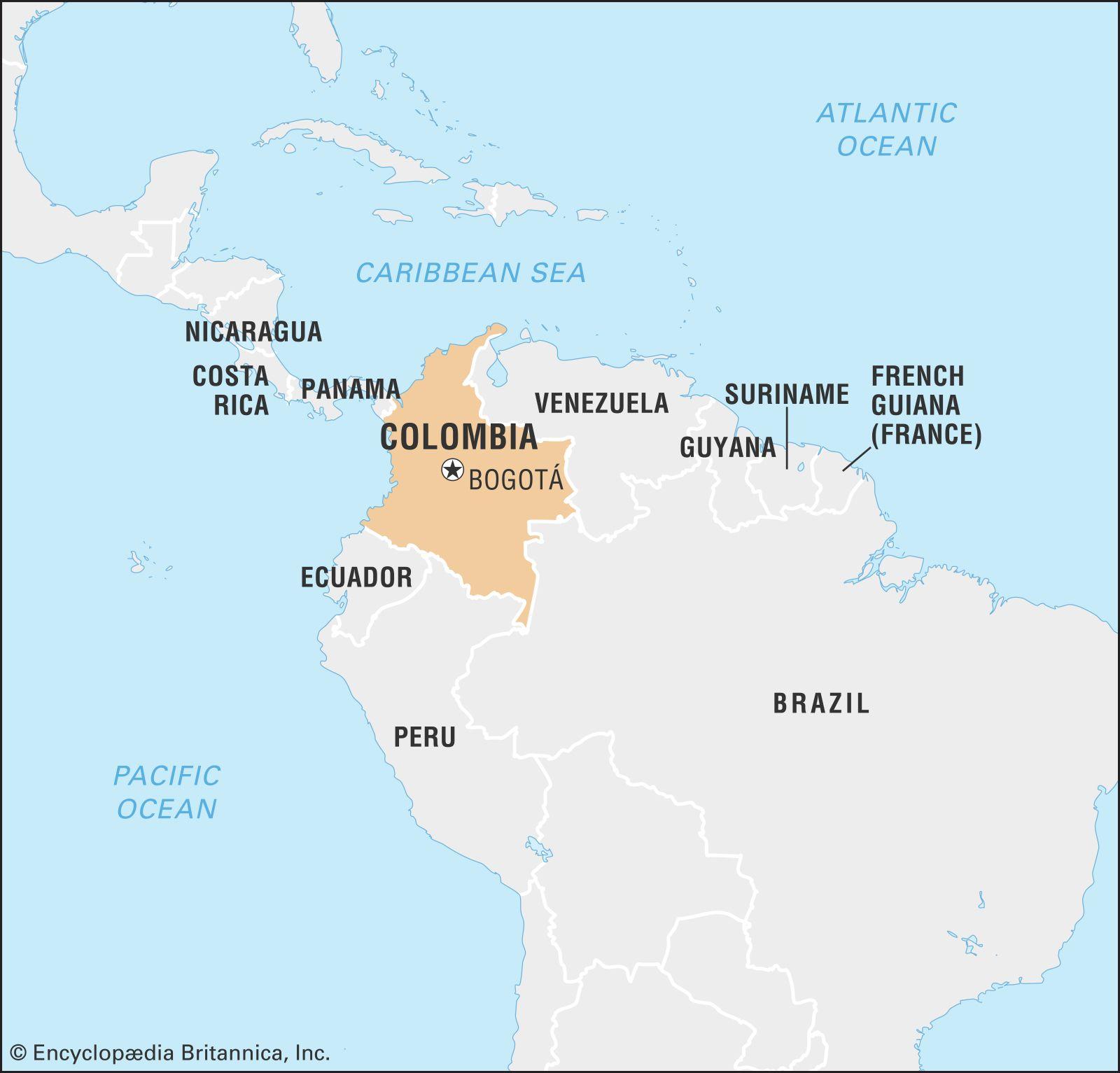
Colombia’s Petro Goads Trump After Drug Decertification Humiliation
In a diplomatic spat that underscores the ongoing tensions surrounding drug policy, Colombian President Gustavo Petro has publicly taken aim at former U.S. President Donald Trump following the Biden administration’s recent decision to decertify Colombia’s counter-narcotics efforts. The decertification, which has sparked outrage and disappointment in Bogotá, marks a significant shift in U.S.-Colombia relations and has reignited criticisms of past administrations’ handling of drug trafficking issues. As Petro leverages this moment to challenge Trump’s legacy, the implications for bilateral cooperation and regional stability remain uncertain, raising questions about the effectiveness of current strategies in the ongoing battle against drug-related violence and production in Latin America. This article delves into the evolving dynamics of U.S.-Colombia relations and examines the broader impact of drug policies in the region.
Colombia’s President Petro Challenges Trump on Drug Policy Consequences
Colombian President Gustavo Petro has publicly confronted former U.S. President Donald Trump, emphasizing the repercussions of U.S. drug policy on Colombia’s struggles with narcotics. Petro’s remarks came after the U.S. government announced its decision to decertify Colombia’s anti-drug efforts for the second consecutive year, a move that has significant economic and diplomatic implications. During a recent press conference, Petro articulated the complexities of drug trafficking in Colombia, highlighting how U.S. policies may contribute to the very issues they aim to solve. He pointed out that merely labeling Colombia as a deficient partner in the war on drugs neglects the historical and socio-economic factors intertwined with this crisis.
In the ongoing debate over drug policy, Petro outlined several critical aspects that should inform a more nuanced approach, including:
- Economic Inequality: The need to address the root causes of poverty that fuel drug production.
- Alternative Development: Promoting sustainable agricultural practices as a way to replace coca cultivation.
- Human Rights: Ensuring the protection of communities affected by drug-related violence and militarization.
The Colombian President’s rhetoric suggests a pushback against unilateral measures that ignore the complexities on the ground. As the dialogue progresses, both countries may need to reassess their strategies and consider collaborative approaches that recognize the systemic nature of the drug trade.
Impact of Drug Decertification on US-Colombia Relations and Regional Security
The recent drug decertification of Colombia by the United States has starkly revealed the complexities in bilateral relations and its broader implications for regional security. By officially declaring that Colombia has not adequately addressed drug trafficking concerns, the U.S. government sent a potent message that may strain the trust that has developed over decades of cooperation. This decision potentially hampers Colombia’s anti-drug initiatives, impacting not just domestic policy but also its international standing. Colombian President Gustavo Petro’s response underscores the tension, as he criticized the decertification as a political maneuver rather than a genuine reflection of Colombia’s efforts. This sentiment may resonate beyond the Andean nation, provoking a ripple effect among neighboring countries already battling similar challenges with drug trafficking and organized crime.
In the broader context, the decertification could embolden local cartels, exacerbating violence and instability, particularly in vulnerable areas where governance is weak. The fallouts of such a designation extend to regional security dynamics, where countries like Venezuela and Ecuador may feel increased pressure from cross-border drug trafficking activities. The strategic implications are significant, as these nations grapple with their own internal security challenges and, at the same time, may need to recalibrate their diplomatic engagements with the U.S. to align with shifting priorities. A collaborative approach focusing on sustainable development, law enforcement, and intelligence-sharing will be crucial to navigate these turbulent waters, ensuring that shared goals of combating drug trafficking aren’t lost in political disputes.
Recommendations for Strengthening Bilateral Cooperation in Anti-Drug Initiatives
To enhance the effectiveness of cross-border initiatives in combating drug trafficking, Colombia and the United States should focus on collaborative efforts that prioritize intelligence sharing and operational coordination. Joint task forces could be established to facilitate greater communication and streamline operations targeting high-value trafficking networks. Additionally, integrating technology such as advanced surveillance and data analysis systems can lead to more informed decision-making and resource allocation. Both nations should also consider the implementation of regular bilateral summits that emphasize transparency about objectives, strategies, and outcomes in the anti-drug agenda.
Strengthening community engagement in anti-drug strategies is equally essential for sustainable solutions. By fostering partnerships with local organizations in Colombia, U.S. agencies can better understand the socio-economic factors that drive drug production. Moreover, developing multifaceted support programs aimed at rehabilitation, education, and economic alternatives can aid in reducing reliance on the drug trade. Resource allocation should emphasize not only law enforcement but also public health and community development to address the root causes of drug-related issues.
In Conclusion
In conclusion, the unfolding tensions between Colombia’s President Gustavo Petro and former U.S. President Donald Trump highlight the complexities of international relations and drug policy. Petro’s pointed remarks following the recent decertification of Colombia’s drug war efforts serve as a reminder of the broader implications of unilateral actions taken by the U.S. These developments could reshape the discourse around drug enforcement, sovereignty, and diplomatic channels between Colombia and the United States. As both leaders navigate their respective political landscapes, the repercussions of this diplomatic spat will likely reverberate through regional politics, reminding us of the fragile balance between cooperation and confrontation in the fight against drug trafficking. Moving forward, it remains to be seen how this exchange will influence bilateral relations and what strategies each country will adopt in addressing the persistent challenges posed by narcotics.