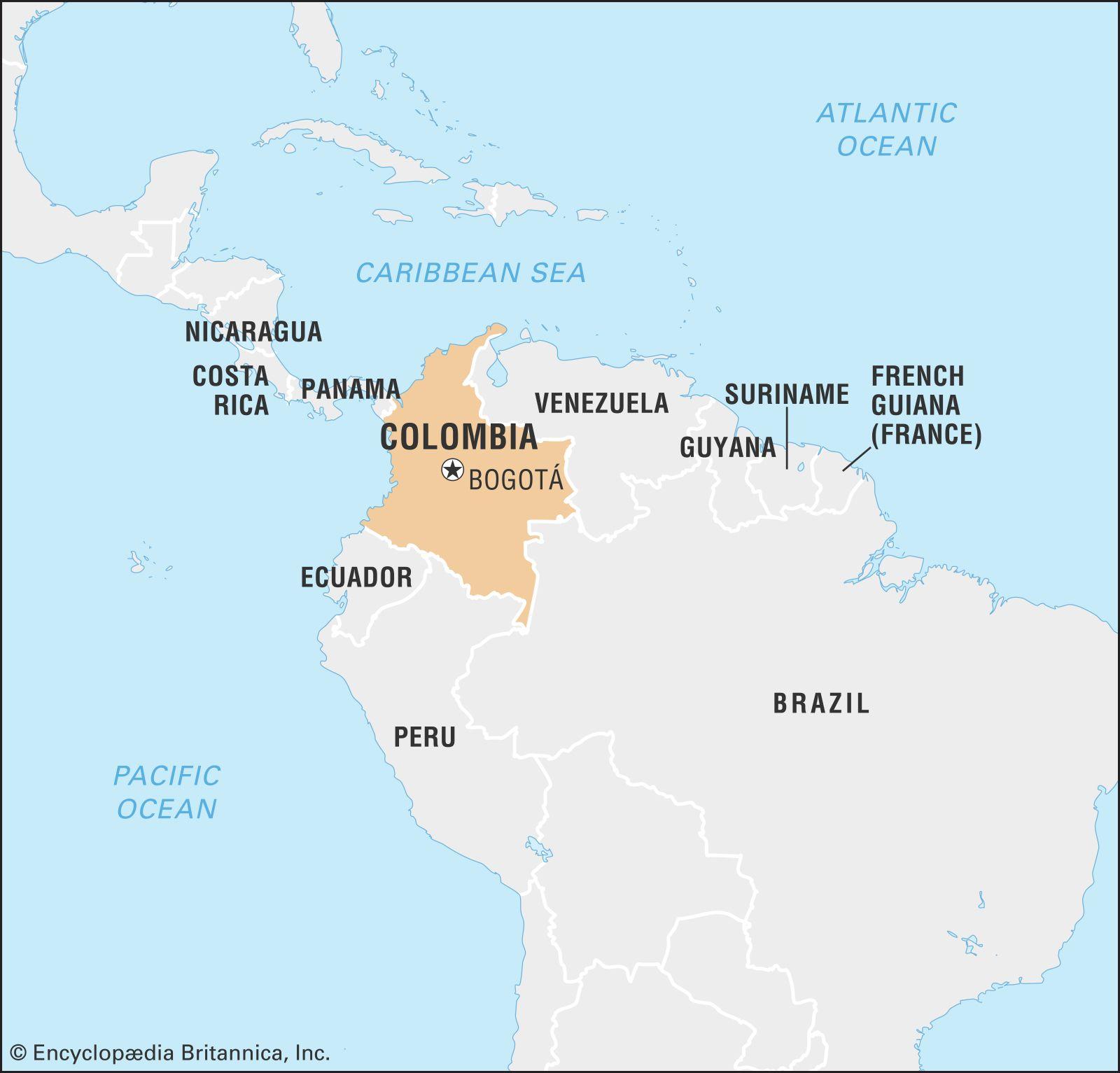
Colombia’s China Pivot Raises U.S. Concerns
As Colombia seeks to redefine its international partnerships, a strategic pivot towards China is drawing scrutiny and concern from Washington. The South American nation, historically a close ally of the United States, has been increasingly engaging with Beijing on various fronts, including trade, infrastructure development, and investment. This shift has sparked a robust debate among policymakers and analysts about the implications for regional stability and U.S. influence in Latin America. With China’s ambitious Belt and Road Initiative making inroads in Colombia, the potential for altered geopolitical dynamics raises significant questions regarding U.S. foreign policy and its long-standing relationship with one of its key partners in the region. As both nations navigate this evolving landscape, understanding the motivations and potential consequences of Colombia’s China pivot is crucial for assessing future interactions in an increasingly complex global arena.
Colombia’s Strengthened Economic Ties with China Impact Regional Stability
As Colombia forges deeper economic connections with China, analysts note a significant shift in the geopolitical landscape of Latin America. This pivot not only promises enhanced trade opportunities but also brings concerning implications for regional stability. The growing Chinese presence in Colombia is marked by substantial investments in infrastructure projects such as roads, ports, and energy, which are seen as vital for national development. However, this relationship raises alarm bells, particularly for the United States, which has traditionally held a dominant influence in the region. The potential for increased Chinese influence could lead to a realignment of power dynamics, prompting neighboring countries to reassess their own alliances and trade agreements.
Key factors contributing to this shift include:
- Strategic Investments: Chinese investments are directed towards sectors crucial for Colombia’s economic growth, enhancing its global trade position.
- Diplomatic Engagement: Colombia’s increased diplomatic ties with China might encourage other countries in the region to explore similar relationships.
- Trade Diversification: The pivot allows Colombia to diversify its trade partnerships, reducing reliance on traditional markets such as the U.S.
To illustrate the economic synergy developing from Colombia’s relationship with China, the following table outlines projected trade growth between the two nations over the next five years:
| Year | Chinese Exports to Colombia ($ Billion) | Colombian Exports to China ($ Billion) |
|---|---|---|
| 2023 | 5.0 | 2.0 |
| 2024 | 6.5 | 2.5 |
| 2025 | 8.0 | 3.0 |
| 2026 | 9.5 | 4.0 |
| 2027 | 11.0 | 5.0 |
As these economic ties deepen, Colombia’s government will need to balance the benefits of foreign investment with the risks of shifting allegiances, which could influence regional security and economic cooperation.
Evaluating the Shifting Geopolitical Landscape and U.S. Diplomatic Strategies
Colombia’s recent pivot towards China marks a significant recalibration in the geopolitical dynamics of Latin America, raising alarms within U.S. diplomatic circles. As Colombia seeks to deepen economic ties with Beijing through trade agreements and investments, it poses a challenge to traditional U.S. influence in the region. Key areas of concern include:
- Strategic Alliances: Colombia’s shift could embolden other Latin American nations to align more closely with China, potentially undermining U.S. partnerships.
- Economic Dependency: Increased engagement with China may lead Colombia to rely more on Chinese infrastructure financing, complicating U.S. efforts to promote sustainable development.
- Regional Stability: A stronger Chinese presence in Colombia could alter power balances and exacerbate existing tensions among regional players.
As the U.S. reevaluates its diplomatic strategies, it must navigate this evolving landscape with care. Policymakers are considering approaches that may include:
- Enhanced Trade Agreements: Revamping trade deals to provide more favorable conditions for Colombian exports to the U.S.
- Regional Dialogues: Promoting multilateral conversations that involve both U.S. and Latin American partners to reinforce democratic values.
- Security Collaborations: Increasing security cooperation with Colombia to counteract any potential instability arising from Chinese influence.
Recommendations for U.S. Engagement to Address Colombia’s Growing Dependence on China
The United States must adopt a multifaceted approach to counter Colombia’s increasing reliance on China, leveraging its historical ties and enhancing bilateral cooperation. Strategies can include:
- Strengthening Economic Ties: Boost investment in key sectors, such as technology, agriculture, and energy, to provide alternatives to Chinese influence.
- Fostering Regional Partnerships: Collaborate with other Latin American nations to create a unified front against economic dependency on China.
- Promoting Trade Agreements: Implement streamlined trade agreements that incentivize Colombian exports, encouraging economic diversification away from Chinese markets.
- Enhancing Security Cooperation: Work alongside Colombian authorities to bolster security measures that protect national interests and counter potential economic coercion from China.
Additionally, public diplomacy can play a vital role in rebuilding trust and demonstrating the value of U.S. engagement. This involves:
- Investing in Cultural Exchanges: Facilitate educational and cultural programs that deepen understanding and appreciation of U.S. values and customs.
- Supporting Local Development: Fund grassroots initiatives that tackle poverty and inequality, thereby diminishing the appeal of China’s economic model.
- Engaging in Strategic Communication: Clearly articulate U.S. intentions and benefits of partnership through various media platforms to counteract misinformation.
In Retrospect
In conclusion, Colombia’s strategic pivot towards China presents a complex array of opportunities and challenges that underscore the shifting geopolitical landscape in Latin America. While the Colombian government seeks to boost trade and investment through deepened ties with Beijing, U.S. officials express concern over potential security implications and the erosion of their influence in the region. As the dynamics unfold, it will be crucial for policymakers in both Washington and Bogotá to navigate this delicate balance-ensuring that the benefits of international partnerships do not come at the expense of regional stability or democratic values. The path ahead will require careful diplomacy and a renewed commitment to fostering transparent relations that prioritize the interests of Colombian citizens amidst the broader competition for influence between two global powers.