
How Did Colombia Get Its Name? – Colombia One
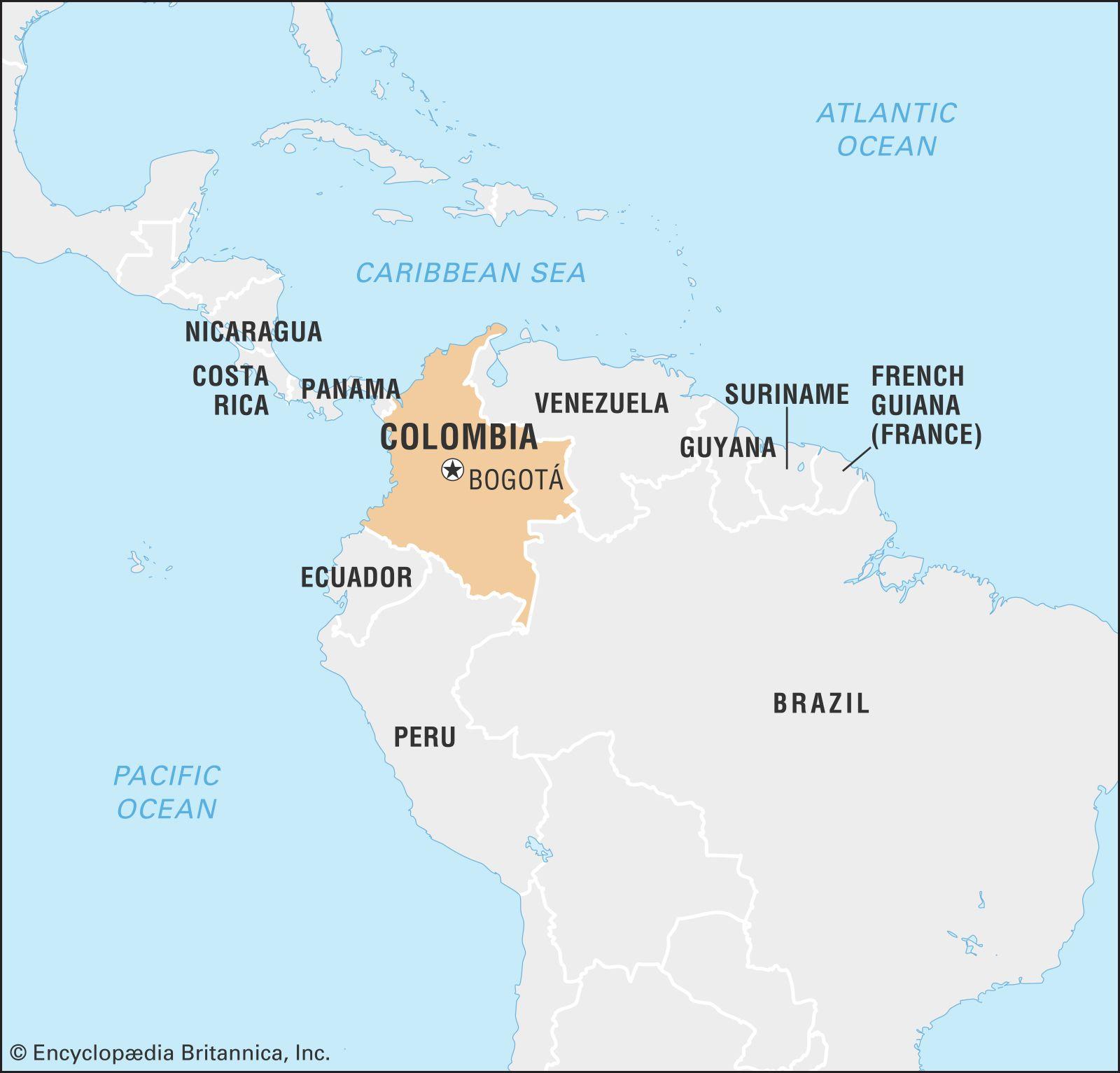
In the heart of South America lies a nation renowned for its vibrant culture, breathtaking landscapes, and rich history: Colombia. But have you ever wondered how this diverse country came to bear its distinctive name? The origins of Colombia can be traced back to European exploration and the legacy of one of history’s most prominent figures, Christopher Columbus. As we delve into the intricacies of Colombia’s naming history, we explore the cultural, geographical, and historical influences that have shaped not just the name, but the identity of a nation that has captivated the world. Join us as we uncover the fascinating story behind Colombia’s title and the significance it holds for its people today.
The Historical Roots of Colombia’s Name and Its Significance
The name “Colombia” is steeped in rich historical context, originating from the Latin version of Christopher Columbus’s name, “Columbus.” In the early 19th century, the influential Venezuelan revolutionary Francisco de Miranda proposed the name for the region during the push for independence from Spanish rule. His vision encapsulated not just the territory we now recognize as Colombia, but also the broader aspirations of the Latin American independence movement, symbolizing a break from colonial domination. The choice of the name reflects the enduring legacy of Columbus and the cultural significance of exploration during that era.
Upon achieving independence in 1810, the name was officially adopted to represent a large territory that included present-day countries such as Venezuela, Ecuador, and Panama. Although the Gran Colombia federation lasted only about a decade, the name persisted, evolving to signify the modern Colombian nation. Today, Colombia stands as a testament to its diverse heritage, with its name connecting the past to the present, including its complex identity which can be viewed through various lenses:
- Cultural Identity: A blend of Indigenous, African, and Spanish influences.
- Historical Significance: A reminder of the struggles for autonomy and self-governance.
- Symbol of Unity: Represents the aspiration for cohesion among various regions and peoples.
Exploring the Influence of Christopher Columbus in Colombian Identity
The legacy of Christopher Columbus extends beyond his notorious voyage across the Atlantic; it has significantly shaped Colombia’s national identity. In the late 15th century, the explorer’s journeys into the New World paved the way for European colonization, leading to the eventual establishment of Spanish rule in Colombia. This period of colonization forged a complex interplay of cultures, infusing indigenous heritage with European traditions, which continues to be evident in Colombia’s customs, languages, and societal structures today. The name “Colombia” itself is a tribute to Columbus, reflecting the profound impact of his expeditions on the larger map of the Americas and the emergence of a fledgling Colombian identity.
Colombian identity is a rich tapestry woven from various threads, with Columbus as a significant figure in its narrative. The modern-day nation draws from a synthesis of influences, prominently featuring the following elements:
- Indigenous Roots: The diverse ethnic groups that inhabited Colombia before European contact play a crucial role in its cultural identity.
- Spanish Heritage: Colonial influence persists in language, religion, and art, shaping social norms and values.
- African Contributions: The diaspora resulting from the slave trade has had a lasting impact on music, dance, and cuisine.
This confluence of cultures, initially set into motion by Columbus’s encounters, highlights how Colombia’s heritage is a reflection of both its pre-Columbian history and its colonial past, ultimately crafting a unique identity that contends with both pride and complexity.
Recommendations for Understanding Colombia’s Rich Cultural Heritage and Its Evolution
To truly appreciate Colombia’s vibrant cultural tapestry, it’s essential to delve into its historical influences and geographical diversity. The nation’s rich heritage is shaped by a blend of indigenous, African, and Spanish cultures. This unique combination has resulted in distinctive traditions, music, and art forms that vary significantly from region to region. Key aspects to explore include:
- Regional Folklore: Investigate how local legends and myths reflect the landscapes and communities of Colombia.
- Traditional Festivals: Participate in or learn about the Barranquilla Carnival, Feria de las Flores, and other vibrant celebrations.
- Culinary Delights: Discover how the country’s diverse ecosystems influence its cuisine, from coastal seafood to Andean staples.
Additionally, an understanding of Colombia’s sociopolitical evolution enriches one’s perspective on its cultural heritage. Historical events, from pre-colonial times through Spanish colonization, independence struggles, and contemporary peace processes, have all played crucial roles in shaping national identity. Evaluating the influence of these factors can be enlightening, particularly in the following areas:
- Art Movements: Analyze how sociopolitical issues have inspired movements such as “La Nueva Ola” and contemporary Bogota street art.
- Music Evolution: Explore genres like cumbia and vallenato and their transformation through the years.
- Literature and Identity: Consider the contributions of authors such as Gabriel Garcia Marquez in reflecting societal narratives through magical realism.
Wrapping Up
As we conclude our exploration of how Colombia came to bear its name, it becomes clear that the story is as rich and complex as the country’s diverse culture and history. From its indigenous roots to the influence of explorers and the significance of Christopher Columbus, the evolution of the name “Colombia” reflects the nation’s journey through colonization, identity formation, and independence. Today, Colombia stands as a vibrant nation with a name that honors its past while embracing a future marked by resilience and innovation. As Colombians continue to navigate their unique identity on the global stage, understanding the origins of their country’s name serves as a reminder of the intricate tapestry that is their heritage. We invite you to continue your journey of discovery about Colombia, a nation that is not just defined by its name, but by the spirit and strength of its people.











