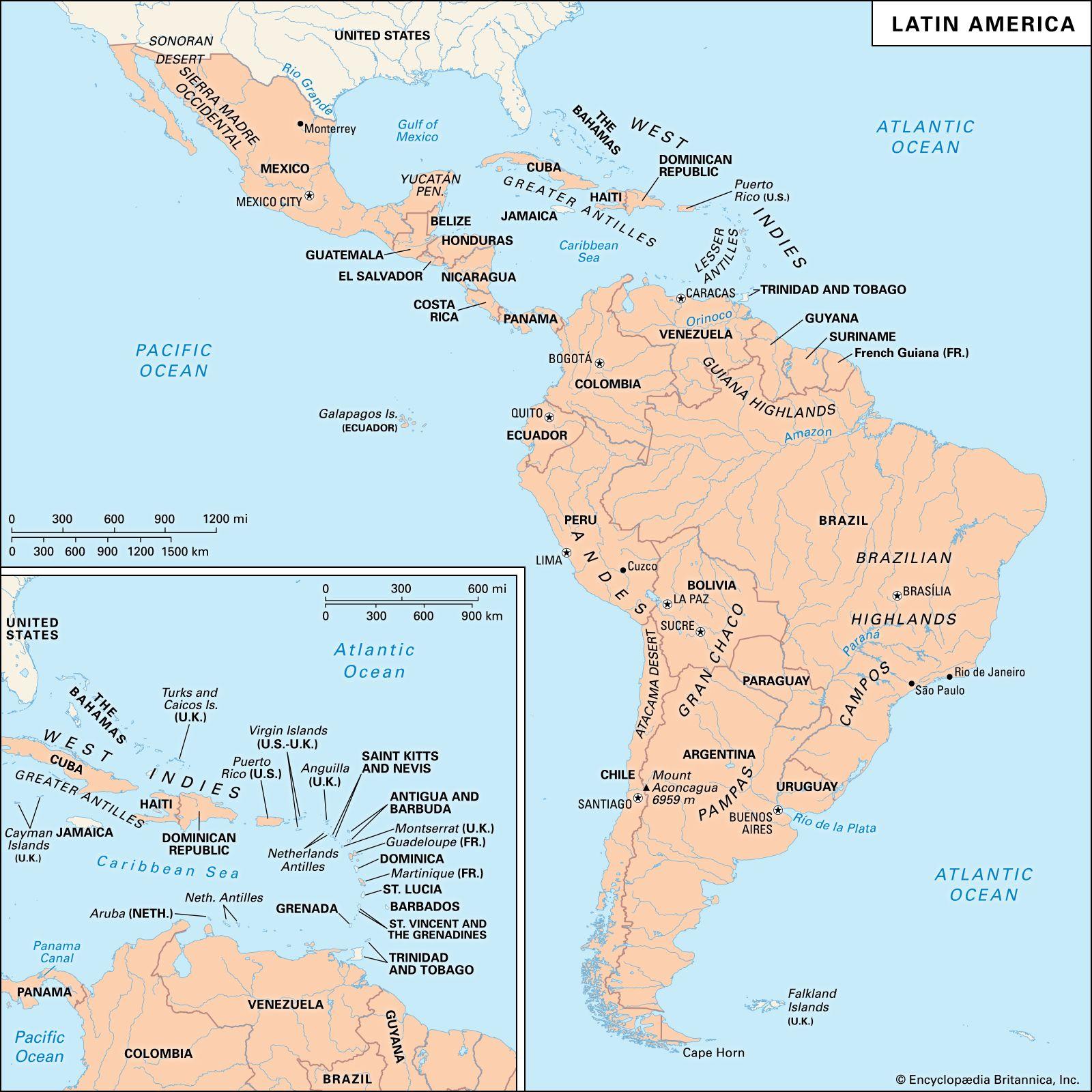
As diplomatic relations in the Americas face a precarious tipping point, tensions are escalating between the United States and its neighboring countries of Venezuela and Colombia. Recent threats issued by the U.S. government have ignited concerns over the potential repercussions for regional stability and democratic governance. Amidst growing unrest and political turmoil, leaders in Caracas and Bogotá are responding to what many see as an encroachment on their sovereignty. This article delves into the complex geopolitical landscape, exploring the implications of U.S. actions on democracy, human rights, and the broader socioeconomic challenges facing Latin America today. As the stakes rise, the international community watches closely, anticipating the next moves in a historically volatile chess game.
Rising Geopolitical Strains: The Impact of U.S. Sanctions on Venezuela and Colombia’s Stability
The geopolitical landscape in Latin America is increasingly tense, primarily due to U.S. sanctions that have targeted both Venezuela and Colombia. These measures, purportedly aimed at promoting democracy and human rights, have instead exacerbated economic hardships in these countries. Venezuelan citizens continue to face severe shortages of essential goods, while Colombia grapples with the challenges of accommodating Venezuelan migrants fleeing their country’s turmoil. As political leaders in both nations look to navigate these turbulent waters, the strain on diplomatic relations raises significant concerns about regional stability and security.
In response to the unfolding crisis, many observers are noting critical implications for the region. The rise of populist movements in both Venezuela and Colombia, influenced by economic despair and social unrest, poses threats not only to democracy but also to regional cooperation. Key points to consider include:
- Increased migration pressure: With millions fleeing Venezuela, Colombia’s social services are strained.
- Heightened military tensions: Both nations are enhancing their military preparedness amid fears of potential U.S. intervention.
- Political polarization: Growing divisions within Colombia reflect regional sentiments towards U.S. foreign policy.
| Country | Sanctions Impact |
|---|---|
| Venezuela | Severe economic recession, humanitarian crisis |
| Colombia | Increased migration, rising social unrest |
Regional Reactions: Latin America’s Response to U.S. Intervention and Its Implications for Democracy
As tensions escalate surrounding U.S. intervention in Venezuela and Colombia, the reactions from Latin American nations are growing increasingly vocal. Regional leaders, like those in Mexico and Argentina, have condemned the U.S. actions, asserting that external interference undermines sovereignty and destabilizes democratic institutions. The implications of these interventions resonate deeply within the region, as governments fear that such actions may lead to a broader pattern of interventionist policies that threaten their own democratic processes. The sentiments revealed from various political arenas reflect a unifying desire to collectively resist what’s perceived as a neo-imperialist approach that jeopardizes regional autonomy.
Furthermore, grassroots movements across Latin America are mobilizing in response to the situation, emphasizing solidarity among nations and advocating for a diplomatic resolution rather than military pressure. Community organizations are organizing protests to raise awareness about the impacts of U.S. policies on local economies and democratic freedoms. The current climate has sparked discussions about the role of regional organizations such as the Community of Latin American and Caribbean States (CELAC) and the Union of South American Nations (UNASUR) in fostering solidarity and promoting a collective agenda that prioritizes self-determination. As public sentiment swells against perceived external threats, the potential for a renewed focus on regional diplomacy and cooperation could reshape the political landscape in Latin America.
Path Forward: Diplomatic Solutions to Alleviate Tensions and Promote Regional Cooperation
In light of rising tensions between the United States, Venezuela, and Colombia, a diplomatic approach is crucial for stabilizing the region. Engagement over escalation should be prioritized, with a focus on constructive dialogue among all parties involved. The international community, particularly organizations such as the Organization of American States (OAS), must play a pivotal role in mediating discussions to alleviate misunderstandings and foster trust. Potential strategies could include:
- Facilitated talks between U.S. officials and their Venezuelan counterparts, emphasizing mutual respect and understanding.
- Regional summits to address key issues such as economic cooperation, security, and humanitarian aid.
- Confidence-building measures, such as easing sanctions in exchange for commitments to uphold human rights and democratic principles.
To enhance regional cooperation, it is imperative to establish frameworks that can guide collaborative efforts. A possible initiative could involve creating a Latin American Council for Peace and Cooperation, which would serve as a platform for dialogue and conflict resolution. The proposed council could encompass the following elements:
| Council Element | Purpose |
|---|---|
| Conflict Mediation Unit | Resolve disputes through dialogue and collective negotiation. |
| Economic Collaboration Desk | Encourage trade and investment among member nations to promote stability. |
| Humanitarian Relief Taskforce | Coordinate efforts to provide assistance to vulnerable populations affected by conflicts. |
The success of such initiatives hinges on a commitment to shared goals and the willingness to set aside political differences in favor of the greater good of regional stability and growth. By prioritizing diplomacy over confrontation, the countries involved can pave the way for lasting peace and prosperity.
Final Thoughts
In conclusion, the escalating tensions in Latin America, marked by the United States’ assertive stance towards Venezuela and Colombia, underline a critical juncture for the region. As diplomatic relationships strain under the weight of economic sanctions and geopolitical maneuvering, the implications for local populations and regional stability are profound. The calls for unity among Latin American nations signal a potential reawakening of regional solidarity in the face of external pressures. As this situation develops, it remains imperative for international observers to closely monitor the evolving dynamics, as the choices made in the coming weeks and months could shape the future of democracy and human rights in Latin America for years to come. Stay informed as Democracy Now! continues to provide updates and analysis on this unfolding story.