
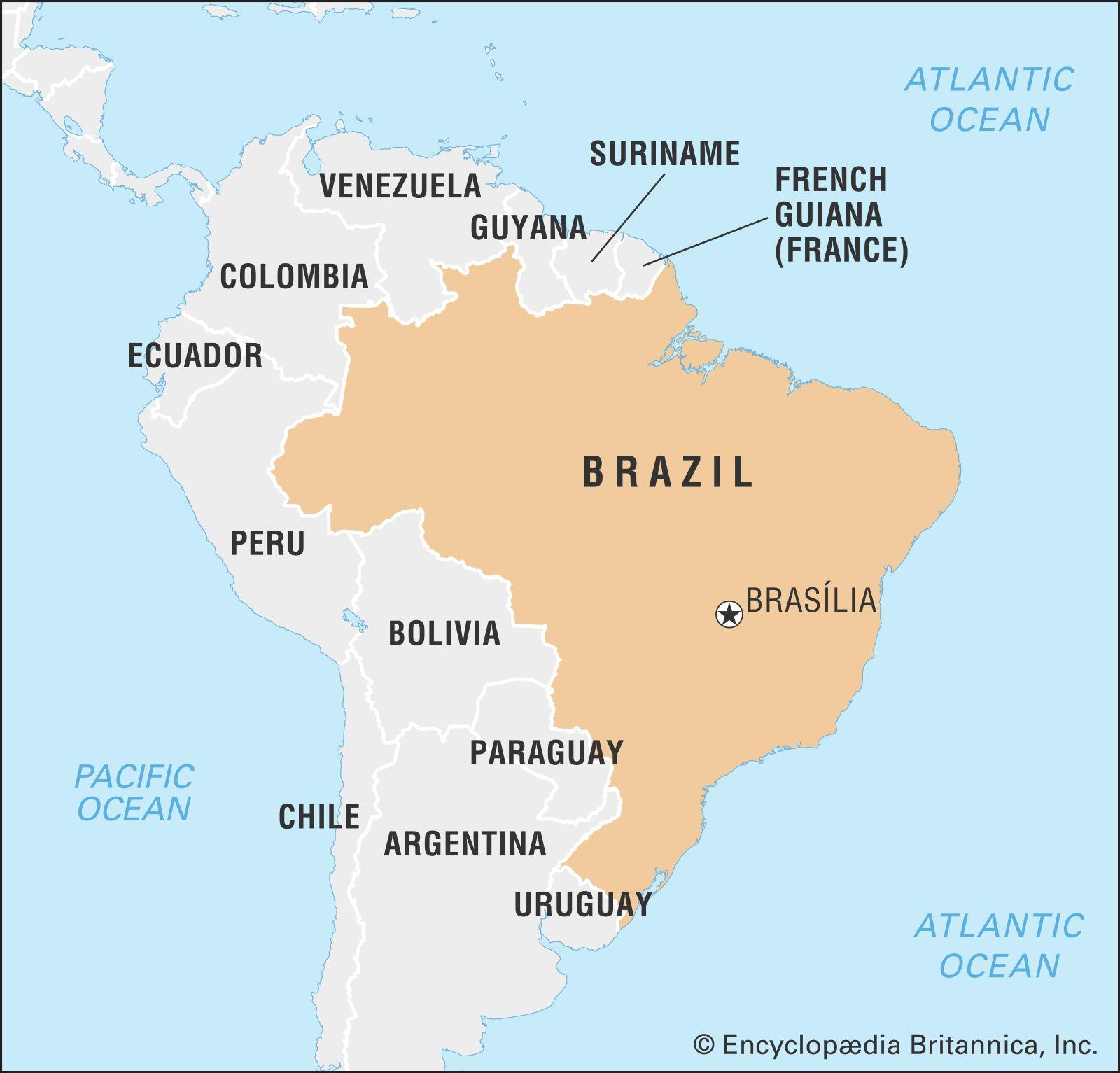
Brazil and Colombia Shine as Global Tourism Hotspots with COP30 and EU-CELAC Summits in 2025
As the world navigates the complexities of climate change and international collaboration, Brazil and Colombia are set to take center stage in 2025 as they host two momentous events: the 30th Conference of the Parties (COP30) and the EU-CELAC Summits. These high-profile gatherings not only signal a growing commitment to environmental sustainability and regional unity but also position both countries as burgeoning tourism hotspots on the global map. With thousands of delegates, activists, and visitors flocking to South America, the events promise to energize local economies, showcase rich cultural heritages, and spotlight the natural wonders that have long captivated travelers. As Brazil and Colombia prepare to welcome the world, the implications for tourism, hospitality, and international diplomacy are profound and far-reaching. This article explores the potential impacts of these summits and the unique opportunities they present for enhancing the region’s appeal as a travel destination.
Brazil and Colombia Lead the Way in Sustainable Tourism as COP30 Approaches
As the world gears up for COP30, Brazil and Colombia are carving out their niches as leaders in sustainable tourism. Both countries are not only rich in biodiversity and cultural heritage but are also implementing innovative practices that promote eco-friendly travel experiences. With the upcoming EU-CELAC summits in 2025, these nations are taking significant strides to enhance their commitments to sustainability, positioning themselves as pioneering examples in the tourism sector. Travelers are increasingly seeking destinations that prioritize environmental conservation, and Brazil and Colombia are rising to the occasion by showcasing their unique ecosystems and biodiversity responsibly.
Visitors to Brazil can explore the lush Amazon Rainforest while engaging in community-led eco-tour initiatives, ensuring that local populations benefit from tourism. Meanwhile, Colombia’s commitment to sustainable coffee production allows travelers to experience the country’s renowned coffee regions through sustainable practices that protect the environment. Both countries are also prioritizing the development of green infrastructure, which includes sustainable accommodations and transportation options. As a result, they offer tourists immersive experiences with minimal environmental impact, setting a benchmark for how global tourism can evolve in harmony with nature.
EU-CELAC Summits: A Catalyst for Growth in Latin American Travel Markets
The upcoming EU-CELAC Summits are set to invigorate the travel markets in Brazil and Colombia by fostering collaboration between European Union and Latin American nations. With the backdrop of COP30, these summits are poised to create significant opportunities for tourism growth as leaders gather to discuss sustainability, trade, and cultural exchange. The focus will be on enhancing connectivity and investment in the travel infrastructure, setting the stage for transformative initiatives that can benefit local economies and global travelers alike.
The summits will catalyze several essential themes for the tourism sector, including:
- Sustainability Initiatives: Emphasizing eco-friendly practices in tourism.
- Investment Opportunities: Attracting foreign direct investment to enhance travel services.
- Collaboration on Visa Policies: Simplifying travel between Europe and Latin America.
- Cultural Exchange Programs: Promoting rich heritage and traditions to enhance tourist experiences.
To visualize the potential growth, the table below outlines projected tourism growth rates in Brazil and Colombia, driven by the summits:
| Country | 2024 Growth Rate (%) | 2025 Projections (%) |
|---|---|---|
| Brazil | 5.5 | 8.2 |
| Colombia | 6.0 | 7.5 |
Strategic Insights for Tour Operators: Capitalizing on Upcoming Events in Brazil and Colombia
As Brazil and Colombia brace for the significant influx of visitors due to the impending COP30 and EU-CELAC Summits in 2025, tour operators have an exceptional opportunity to tailor their offerings to meet the diverse needs of international audiences. By embracing these major events, operators can design unique travel packages that highlight the cultural richness and stunning landscapes of both nations. The focus should be on sustainability, local experiences, and creating unforgettable memories that align with the themes of the conferences, promoting an authentic connection with the environment and the local communities.
To capitalize on this momentum, tour operators should consider the following strategies:
- Collaborate with local governments: Engage with Brazilian and Colombian tourism boards to create joint promotional campaigns that showcase the events and their significance.
- Develop special itineraries: Craft packages that combine the summit events with must-see attractions, cultural experiences, and eco-friendly tours.
- Optimize digital marketing: Leverage social media and targeted advertisements to reach potential travelers, highlighting the excitement and opportunities surrounding the events.
In preparation for this surge in tourism, operators should also track key data that can help refine their services, such as:
| Event | Expected Attendees | Opportunity for Operators |
|---|---|---|
| COP30 | 35,000+ | Sustainable travel offerings |
| EU-CELAC Summit | 200+ | Business and luxury travel packages |
By leveraging these insights and strategically planning their offerings, tour operators can significantly enhance their visibility and profitability in the rapidly growing markets of Brazil and Colombia, positioning themselves as leaders in sustainable tourism during a pivotal moment in the global landscape.
In Retrospect
As the world turns its gaze toward Brazil and Colombia, the upcoming COP30 and EU-CELAC Summits in 2025 promise to showcase these vibrant nations as emerging global tourism hotspots. With a rich tapestry of culture, natural beauty, and a commitment to sustainability, both countries are poised to attract an influx of travelers eager to explore their offerings. As policies and initiatives aimed at preserving the environment take center stage during these significant events, the tourism sector stands ready to benefit from the increased attention. Stakeholders in travel and hospitality are urged to prepare for the waves of visitors who will undoubtedly seek to immerse themselves in the unique experiences that Brazil and Colombia have to offer. With the stage set for a remarkable evolution in tourism dynamics, both nations are not just participants but leaders in shaping the future of sustainable travel. As the countdown to 2025 begins, one thing is clear: Brazil and Colombia are ready to shine on the world stage.









