
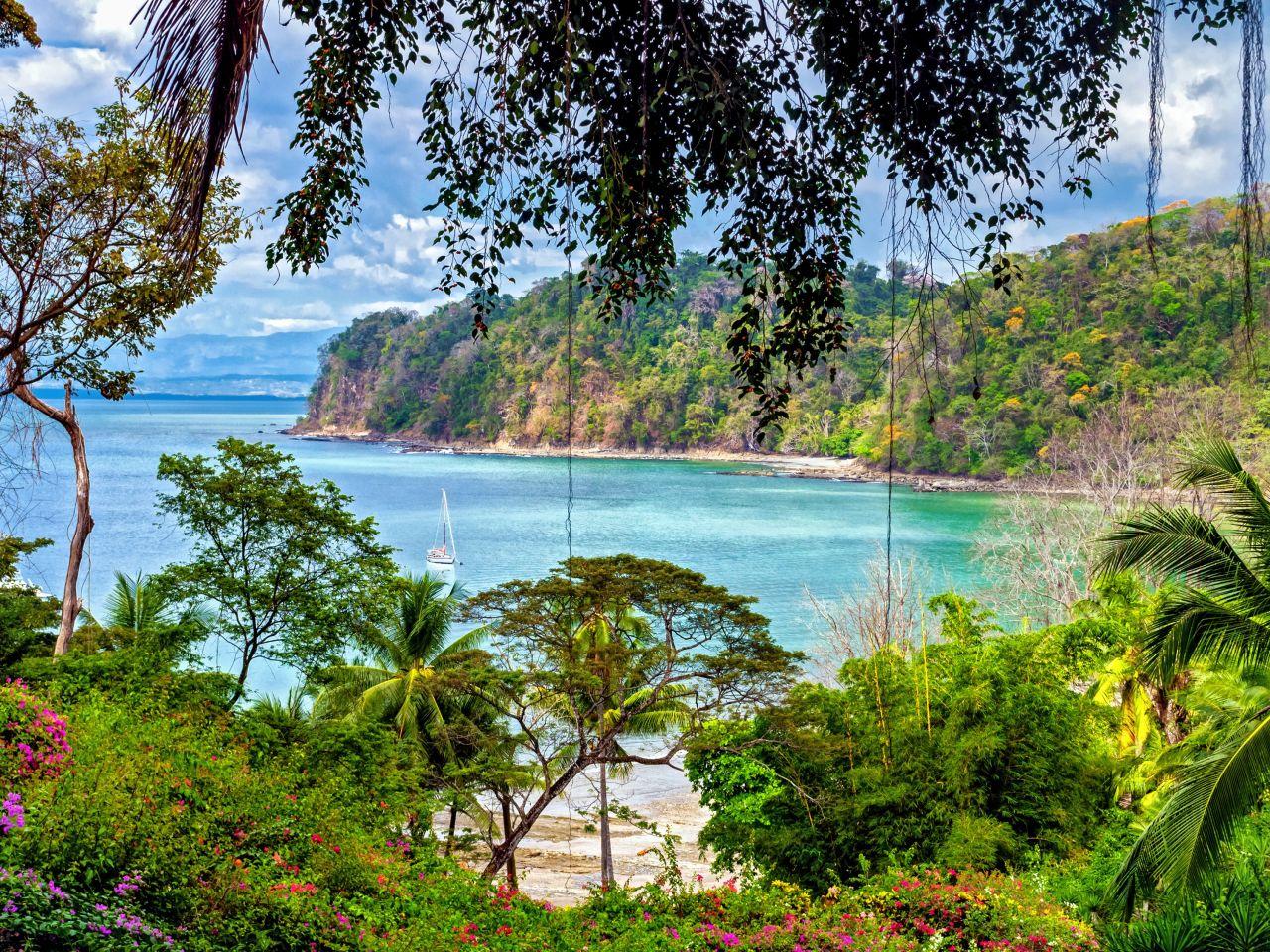
Costa Rica Leads Central America in Average Daily Tourist Spending: A Beacon for Regional Tourism Development
In a region renowned for its rich biodiversity and stunning landscapes, Costa Rica has emerged as a frontrunner in attracting high-spending tourists, outpacing its Central American neighbors in average daily tourist expenditure. According to recent statistics released by CentralAmerica.com, the country’s strategic investments in ecotourism, sustainable practices, and robust infrastructure have not only bolstered its appeal but also positioned it as a model for tourism growth across the region. As travelers increasingly seek immersive experiences that blend adventure with environmental stewardship, Costa Rica’s commitment to preserving its natural resources while enhancing visitor experiences has led to a significant boost in tourism revenue. This article delves into the factors contributing to Costa Rica’s success, the implications for neighboring countries, and the future of tourism in Central America.
Costa Rica’s Economic Impact: Understanding the Factors Behind High Tourist Spending
Costa Rica’s status as the leader in Central America for average daily tourist spending can be attributed to several vital factors that enhance the overall visitor experience. One of the most significant contributors is the country’s commitment to sustainable tourism, which attracts environmentally conscious travelers willing to invest in unique experiences. Visitors often indulge in activities such as eco-friendly tours, wildlife excursions, and visits to renowned national parks, showcasing Costa Rica’s diverse natural resources. Additionally, the country offers a range of high-quality accommodations and gastronomic experiences, from luxury hotels to authentic restaurants, which cater to varying budgets while still emphasizing local culture and flavors.
Another key element is the country’s emphasis on safety and accessibility, which fosters a welcoming atmosphere for international travelers. Costa Rica’s well-developed infrastructure, including an extensive network of roads and domestic flights, facilitates exploration across its varied landscapes-ideal for both adventure seekers and leisure travelers. The government’s marketing initiatives and collaboration with local businesses help ensure that visitors are well-informed of the options available, further driving up average spending. Together, these factors illustrate a commitment to not just attracting tourists, but also enriching their experiences in a way that significantly boosts the local economy.
Boosting Local Economies: Strategies for Enhancing Tourist Experiences in Central America
Central America is experiencing a transformation in how it engages tourists, and Costa Rica’s success is setting the benchmark. By integrating sustainable practices and enhancing cultural authenticity, local governments and businesses are stepping up to create enriching experiences for visitors. Strategies to improve tourist spending revolve around the following key areas:
- Ecotourism Development: Promoting national parks and wildlife reserves encourages visitors to immerse themselves in nature while generating income for local communities.
- Culinary Tourism: Showcasing local cuisine through food festivals and cooking classes enables tourists to connect with the local culture, elevating their overall spending.
- Community-Driven Initiatives: Engaging local artisans and entrepreneurs to offer unique products and services helps circulate spending in the region.
- Adventure Activities: Expanding access to outdoor experiences such as zip-lining, surfing, and hiking attracts thrill-seekers willing to spend on memorable adventures.
Moreover, collaboration between tourism boards and local businesses is crucial in crafting comprehensive promotional strategies that highlight the unique offerings of the region. For instance, a coordinated effort could lead to themed events that attract diverse visitor demographics. A snapshot of the varying average daily spending for tourists across different Central American countries illustrates the potential for growth:
| Country | Average Daily Tourist Spending (USD) |
|---|---|
| Costa Rica | $120 |
| Panama | $95 |
| Guatemala | $75 |
| Honduras | $65 |
| Nicaragua | $70 |
Policy Recommendations for Sustaining Costa Rica’s Leading Position in Tourism Excellence
To maintain its status as a frontrunner in tourism excellence, Costa Rica must implement a multi-faceted approach focused on sustainable practices and enhancing the visitor experience. Key recommendations include:
- Invest in Eco-Friendly Infrastructure: Continue developing green hotels and sustainable transportation systems that align with the country’s environmental goals.
- Promote Cultural Heritage: Encourage tourists to engage with local communities through programs that highlight traditional crafts, cuisine, and festivals.
- Enhance Security Measures: Strengthen law enforcement presence in tourist hotspots to ensure safety and boost visitor confidence.
- Leverage Digital Marketing: Utilize social media and data analytics to target potential visitors, showcasing Costa Rica’s unique attractions and experiences.
Furthermore, collaboration among government agencies, local businesses, and community organizations is essential for effective policy implementation. To facilitate this, a comprehensive framework for public-private partnerships should be established, focusing on:
| Collaboration Focus | Expected Outcome |
|---|---|
| Marketing and Promotion | Increase visibility and attract diverse tourist demographics |
| Training and Education | Build a skilled workforce that enhances customer service |
| Community Engagement | Foster pride and ownership among locals, enriching the tourist experience |
Concluding Remarks
In conclusion, Costa Rica’s position as the frontrunner in average daily tourist spending within Central America underscores the nation’s appeal as a premier travel destination. With its rich biodiversity, commitment to sustainability, and thriving eco-tourism sector, the country not only attracts a growing number of international visitors but also enhances its economic prospects through tourism revenue. As stakeholders in the industry continue to innovate and promote Costa Rica’s unique offerings, the potential for further growth remains significant. Moving forward, maintaining this momentum will be crucial in ensuring that both the natural environment and local communities benefit from the influx of tourists. Costa Rica’s success may serve as a model for other nations in the region, paving the way for a more robust and equitable tourism landscape in Central America.











