
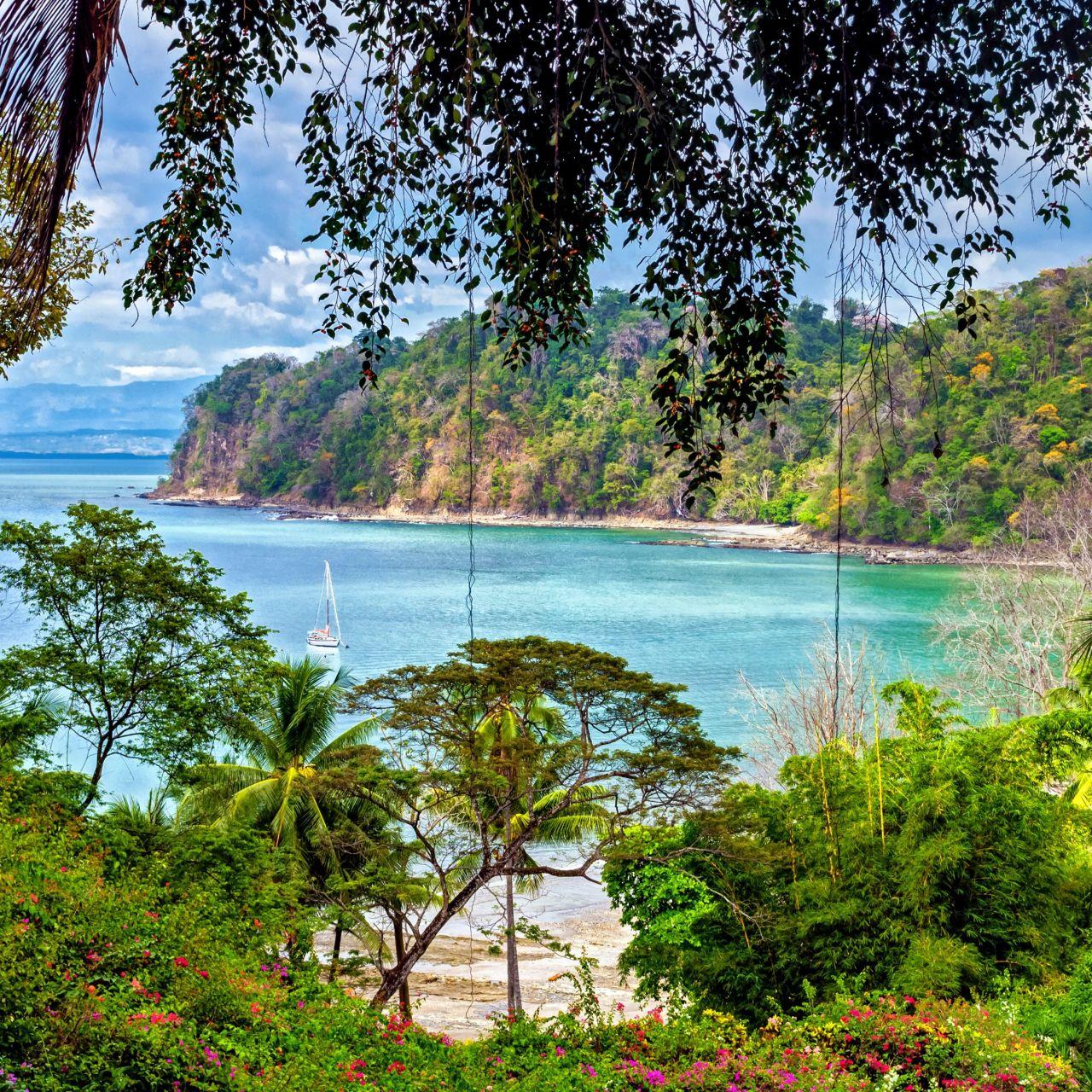
In the pursuit of longevity, the world often turns to scientific research, nutrition guides, and workout fads. Yet, some of the most intriguing secrets to a long and fulfilling life may lie not in laboratories, but in communities known for their remarkable health and centenarian populations. One such locale is the Nicoya Peninsula in Costa Rica, a celebrated Blue Zone where residents frequently reach their 100th birthdays while enjoying vibrant lifestyles. In this article, I ventured into the heart of this tropical haven to uncover the habits and cultural practices that contribute to its residents’ extraordinary longevity. Through conversations with locals and immersive observations, I explored the intersection of tradition, diet, and community, seeking to understand what makes Nicoyan life not just long, but meaningful. Join me as we delve into the essence of a life well-lived in Costa Rica’s hidden gem of longevity.
Exploring the Health Benefits of Costa Rica’s Blue Zone
Nested in the lush landscapes of Costa Rica lies a region renowned for its remarkable longevity, often referred to as a “Blue Zone.” The residents here, notably around the town of Nicoya, exhibit a unique lifestyle that appears to be a significant contributor to their advanced age. Several factors contribute to this phenomenon, which include:
- Plant-rich diet: Predominantly consisting of beans, corn, and tropical fruits, their meals are low in processed foods yet rich in nutrients.
- Active lifestyle: Many residents engage in routine physical activities, from farming to walking, keeping them physically fit well into old age.
- Strong community ties: Social interaction plays a crucial role, offering emotional support and fostering a sense of belonging.
- Spiritual practices: Many emphasize the importance of spirituality, which provides a sense of purpose and mental well-being.
To further understand these elements that contribute to increased longevity, a closer examination reveals fascinating trends. A recent study conducted within the region outlined key lifestyle attributes among the elderly:
| Attribute | Impact on Longevity |
|---|---|
| Dietary habits | Low in calories but high in nutrients, promoting heart health and reducing disease risk |
| Community engagement | Strong social networks linked to better mental health and increased happiness |
| Regular physical activity | Maintains mobility and decreases the risk of chronic illnesses |
| Stress reduction techniques | Practices like mindfulness contribute to lower stress levels and enhanced emotional resilience |
Uncovering the Lifestyle Secrets Behind Longevity in the Region
The vibrant landscapes of Costa Rica’s Blue Zone offer more than just picturesque views; they serve as a backdrop to remarkable lifestyles that promote longevity. Residents here prioritize social connections, forming deep community ties that provide emotional support and contribute to an overall sense of belonging. This emphasis on relationships is complemented by a daily routine rich in physical activity; many inhabitants walk, garden, and participate in communal activities, which naturally integrates exercise into their lives. Key factors that support their longevity include:
- Plant-based diet: A focus on whole foods, particularly beans, corn, and seasonal fruits and vegetables.
- Moderate physical activity: Routine movement rather than structured exercise, fostering a more sustainable lifestyle.
- Meditation and mindfulness: Practices that are integral to keeping stress levels low and maintaining mental health.
Moreover, these communities benefit from the natural beauty surrounding them, which encourages outdoor activities and fosters a sense of peace. Many residents emphasize the role of purpose, often referred to as ikigai, meaning they engage in work or hobbies that provide fulfillment. Their commitment to family values and intergenerational bonding further cements their structured support network, contributing to healthier aging. The following table highlights the lifestyle traits associated with increased longevity in this Blue Zone:
| Life Aspect | Longevity Impact |
|---|---|
| Social Interactions | Reduces stress and enhances happiness. |
| Dietary Habits | Supports heart health and weight management. |
| Physical Activity | Promotes mobility and fitness, preventing age-related decline. |
| Mental Wellness | Enhances cognitive function and resilience to life’s challenges. |
Practical Tips for Emulating the Blue Zone Way of Life
To embrace the essence of the Blue Zone lifestyle, begin by incorporating small yet impactful changes to your daily routine. Prioritize a plant-based diet consisting primarily of fruits, vegetables, whole grains, and legumes. This not only boosts your health but also fosters a connection to food that champions sustainability. Engage in regular physical activity through enjoyable means such as gardening, walking, or participating in community sports. Forming strong social ties is crucial as well; spend quality time with family and friends, participate in community gatherings, and engage in local traditions. These interactions nourish the spirit and contribute significantly to a longer, healthier life.
Moreover, establishing a sense of purpose is vital; consider what drives you and how you can make an impact, whether through work, hobbies, or volunteerism. Mindfulness practices like meditation or yoga can help cultivate a peaceful mind, reducing stress and promoting resilience. Additionally, prioritizing rest and a routine sleep schedule allows your body to recover and rejuvenate. Here’s a quick snapshot of essential practices from the Blue Zones:
| Practice | Description |
|---|---|
| Plant-based Diet | Focus on vegetables, fruits, and whole foods. |
| Physical Activity | Incorporate movement into daily activities. |
| Social Connections | Nurture relationships with family and community. |
| Sense of Purpose | Identify and engage in meaningful activities. |
| Mindfulness | Practice meditation or yoga regularly. |
| Rest and Recovery | Emphasize quality sleep and relaxation time. |
The Way Forward
In conclusion, my journey into Costa Rica’s Blue Zone not only unraveled the captivating lifestyle and cultural practices that contribute to the region’s remarkable longevity but also underscored the crucial interplay between community, environment, and well-being. From vibrant local markets to the warmth of neighborly connections, the ingredients of a long life here extend far beyond diet and exercise. The insights gleaned from this vibrant part of the world challenge conventional notions of aging and wellbeing, offering valuable lessons for people seeking to enhance their lives through connection and simplicity. As we ponder the implications of these findings, it becomes clear that the quest for longevity is not merely a personal pursuit, but a collective endeavor shaped by the spaces we inhabit and the relationships we nurture. Costa Rica’s Blue Zone remains a testament to the potential for healthy living, inspiring us to rethink our own paths toward a fulfilling life.









