
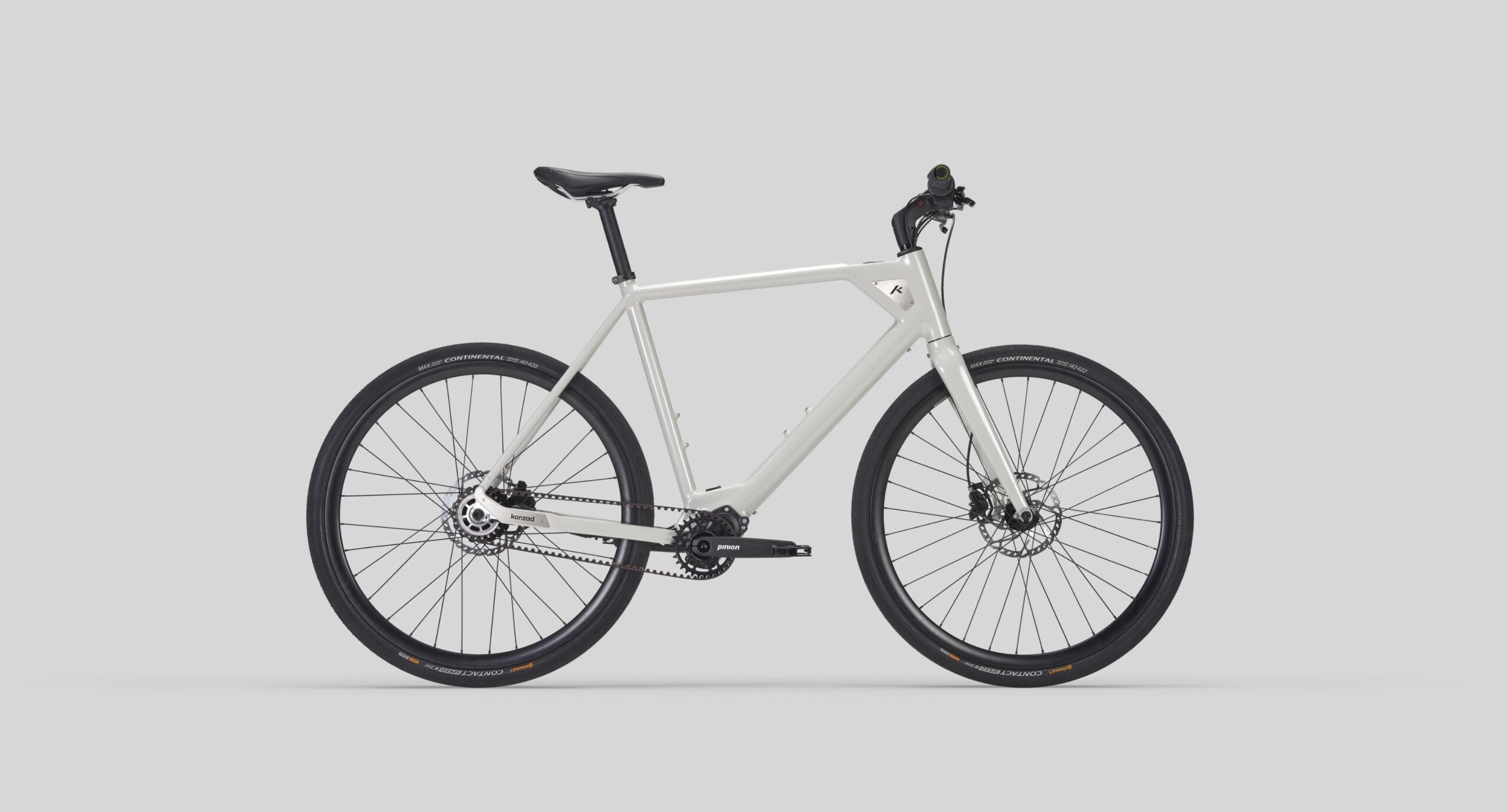
Title: The Rise of E-bikes in Costa Rica: A Sustainable Shift in Transportation
As the world increasingly prioritizes sustainable modes of transportation, Costa Rica is experiencing a notable shift towards electric bicycles, or e-bikes. Once seen as a niche market, e-bikes have surged in popularity across the country, driven by a growing environmental consciousness and a desire for more efficient urban mobility. This trend not only reflects a global movement towards greener alternatives but also aligns with Costa Rica’s ambitious goals of becoming the first carbon-neutral country by 2050. With scenic landscapes, bustling urban centers, and a commitment to preserving its rich biodiversity, Costa Rica is uniquely positioned to capitalize on the e-bike revolution. In this article, we explore the factors contributing to this rise, the benefits of e-biking for both residents and the environment, and the challenges that lie ahead in adapting infrastructure to facilitate this new wave of eco-friendly travel.
The Growing Popularity of E-bikes in Costa Rica’s Urban Landscape
The emergence of e-bikes as a favored mode of transportation in Costa Rica’s cities signifies a monumental shift in urban mobility. As congestion worsens and environmental concerns rise, many residents are opting for this eco-friendly alternative. With a growing network of bike lanes and supportive infrastructure, e-bikes offer a practical solution for commuters, allowing them to navigate through traffic with ease. Key factors contributing to their surge in popularity include:
- Cost-Effectiveness: E-bikes provide a budget-friendly option for daily commutes, reducing expenses on fuel and parking.
- Health Benefits: They promote physical activity while making cycling accessible for individuals of all fitness levels.
- Environmental Impact: E-bikes are a greener alternative, helping to lower carbon emissions and improve air quality in urban areas.
Recent statistics reveal a significant increase in e-bike sales across the nation, with local dealerships reporting up to a 50% boost in transactions over the past year. This burgeoning interest is also matched by local government initiatives aimed at encouraging sustainable transport solutions. A new proposal seeks to enhance e-bike infrastructure, focusing on:
| Project | Description |
|---|---|
| Expanded Bike Lanes | Creation of dedicated lanes across major urban routes. |
| Charging Stations | Installation of charging points at strategic locations. |
| Community Programs | Workshops to educate about e-bike maintenance and safety. |
Exploring Environmental Benefits and Sustainable Transportation Solutions
The increasing popularity of e-bikes in Costa Rica not only represents a shift in transportation choices but also highlights a commitment to sustainable living. By opting for electric bicycles, individuals can significantly reduce their carbon footprint compared to traditional vehicles. Key environmental benefits of e-bike use include:
- Reduced Emissions: E-bikes produce zero tailpipe emissions, contributing to cleaner air quality.
- Energy Efficiency: They consume less energy per mile than cars, making them a much more efficient option.
- Decrease in Traffic Congestion: With more people using e-bikes, road congestion diminishes, allowing for smoother traffic flow.
Moreover, e-bikes are paving the way for innovative transportation solutions that align with Costa Rica’s ambitious sustainability goals. The government is recognizing the advantages and taking steps to support this green revolution through various initiatives, including subsidies for e-bike purchases and investments in dedicated bike lanes. A brief comparison of transportation options in terms of their impact on the environment is illustrated below:
| Transportation Mode | CO2 Emissions (g/km) | Energy Consumption (kWh/km) |
|---|---|---|
| Car | 180 | 0.3 |
| Bus | 80 | 0.1 |
| E-bike | 0 | 0.02 |
Recommendations for Policy Makers to Support E-bike Adoption and Infrastructure Development
To effectively enhance e-bike adoption across Costa Rica, policymakers must prioritize the establishment of a comprehensive infrastructure that supports this sustainable mode of transport. This can include the development of dedicated bike lanes throughout urban and rural areas, ensuring the safety of e-bike users while encouraging their use. Furthermore, integrating e-bike-friendly regulations into existing traffic laws can create a clearer framework for riders, helping to reduce conflicts with motor vehicle traffic.
In addition to physical infrastructure, it is crucial to promote incentive programs that lower the barriers for entry for potential e-bike users. These could encompass subsidies for e-bike purchases, tax breaks for businesses that facilitate e-bike use, or funding for community awareness campaigns to highlight the benefits of e-bikes as a green alternative. Collaboration with local businesses to set up charging stations can also be an effective strategy to enhance convenience for e-bike users, further embedding this mode of transport into the daily lives of Costa Ricans.
The Conclusion
As the demand for sustainable transportation options continues to grow, e-bikes are carving out a significant niche in Costa Rica’s ever-evolving mobility landscape. Their rise is not merely a trend, but a reflection of the nation’s commitment to environmental conservation and innovative urban planning. With government initiatives and private sector investments aligning to promote eco-friendly alternatives, the future of transport in Costa Rica appears to be increasingly electrified. As residents embrace this new mode of travel, e-bikes promise to play a crucial role in reducing traffic congestion, lowering carbon emissions, and enhancing the overall quality of life. As we witness this shift firsthand, it’s clear that the sound of bicycle bells will soon be accompanied by the hum of electric motors, signaling a new chapter in the country’s journey toward sustainability.











