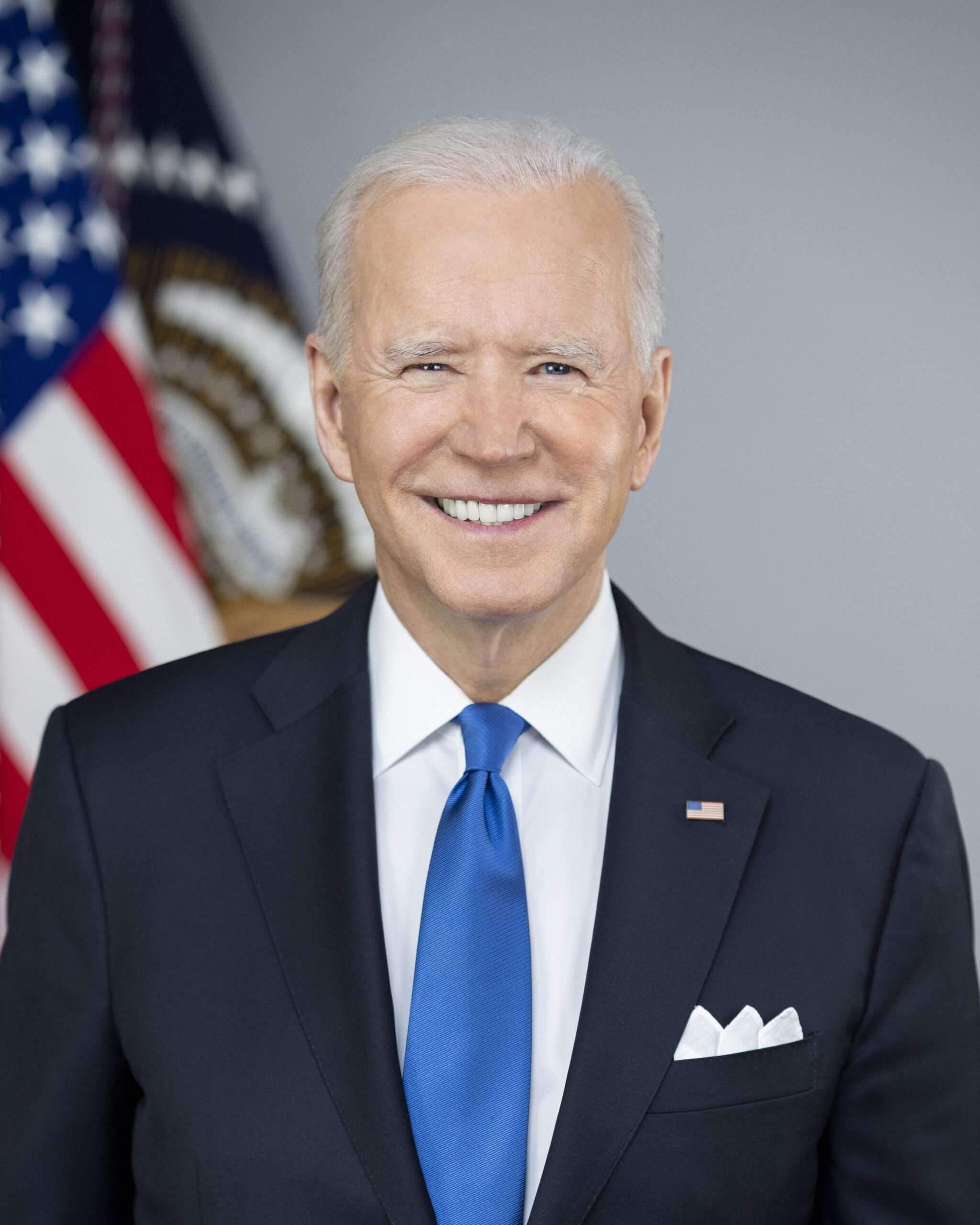
In a significant shift in U.S. foreign policy, President Joe Biden is reportedly poised to lift the long-standing designation of Cuba as a state sponsor of terrorism, a move aimed at facilitating the release of political prisoners held by the island’s government. This potential reversal of an embargo-era classification, which has categorized Cuba as a threat to national and global security since the 1980s, comes in the wake of intensifying diplomatic negotiations between Washington and Havana. As discussions unfold, experts are closely monitoring the implications of this decision on U.S.-Cuba relations, human rights in the region, and wider geopolitical dynamics in Latin America. With the Biden administration seeking to balance the promotion of human rights with pragmatic diplomacy, this development marks a pivotal moment in the ongoing dialogue between the two nations.
Biden’s Strategic Move: Lifting Cuba’s Terrorism Designation Amid Political Negotiations
In a significant diplomatic maneuver, the Biden administration is poised to lift Cuba’s designation as a state sponsor of terrorism, a move primarily aimed at facilitating the release of political prisoners from the island nation. This decision marks a departure from the hardline policies of previous administrations and highlights the Biden administration’s commitment to diplomatic engagement as a tool for fostering human rights improvements. As negotiations progress, several factors are being considered, including:
- Humanitarian Concerns: The need for international cooperation on humanitarian issues, particularly given the ongoing economic crisis in Cuba.
- Regional Stability: The implications of U.S.-Cuba relations on broader stability within Latin America, especially in light of increasing tensions in the region.
- Political Reforms: The push for Cuba to embrace greater political reform in exchange for concessions from the United States.
This strategic shift not only aims to alleviate the plight of imprisoned dissidents but also serves to recalibrate U.S.-Cuba relations, which have been fraught with tension and mistrust for decades. Critics of the move argue that lifting the designation could embolden the Cuban government, while proponents insist it is a necessary step toward constructive dialogue. The implications of this change extend beyond bilateral relations, potentially influencing perceptions of U.S. policies in other countries facing similar issues. Recent developments include:
| Key Developments | Date |
|---|---|
| Announcement of negotiations to release political prisoners | March 2023 |
| Increase in diplomatic talks between U.S. and Cuban representatives | June 2023 |
| Proposed lifting of terrorism designation by U.S. | October 2023 |
The Path to Diplomatic Relations: Understanding the Implications of Releasing Political Prisoners
The forthcoming decision by the Biden administration to lift Cuba’s designation as a state sponsor of terrorism marks a pivotal moment in U.S.-Cuban relations. While primarily aimed at facilitating the release of political prisoners, this move also raises critical questions about the broader implications for human rights and diplomatic engagement. Critics argue that removing this designation without stringent conditions could embolden the Cuban government, potentially undermining advocates for democratic reforms and those imprisoned for dissent. On the other hand, supporters believe that this represents a significant opportunity to foster dialogue and build bridges that could lead to long-term improvements in the region.
Understanding the stakes involved requires an examination of the intended outcomes of this diplomatic shift. Some of the key considerations include:
- Political Prisoner Release: The release of political prisoners may signal a shift toward greater openness, but is it merely a tactic for international favor?
- Human Rights Advocacy: Will this move strengthen or weaken the efforts of activists working toward democratic reform in Cuba?
- Future Relations: How will this change affect U.S. relations with other countries in the region?
These factors must be weighed carefully, as the actions taken by both sides will set the tone for future diplomacy. To illustrate, the following table outlines key events that might shape the diplomatic landscape:
| Event | Date | Implication |
|---|---|---|
| Announcement of Lifting Designation | Upcoming | Potential diplomatic thawing |
| Expected Release of Political Prisoners | Pending | Impact on Cuban civil society |
| International Community Response | Future | Shifts in global perspective on Cuba |
Analyzing the Impact: Potential Benefits and Risks of Changing Cuba’s Status on the Global Stage
The potential shift in Cuba’s status on the global stage carries both promising opportunities and significant risks. Lifting the designation of a state sponsor of terrorism could facilitate increased diplomatic engagement between the United States and Cuba, allowing for a more constructive dialogue on various critical issues. Key benefits of this change include:
- Improved Economic Relations: Easing restrictions may boost trade and investment opportunities, fostering economic growth.
- Enhanced Human Rights Advocacy: Increased engagement can lead to pressure on the Cuban government to address human rights issues, particularly regarding political prisoners.
- Cultural Exchange: A shift in status could promote tourism and cultural exchanges, enriching bilateral understanding.
However, the decision is not without its challenges. Critics argue that reversing the terrorism designation may inadvertently empower the Cuban regime, diminishing leverage for reforms. Some key risks associated with this development include:
- Normalization of Repressive Practices: There are concerns that the Cuban government could exploit improved relations to tighten its grip domestically, hindering any meaningful progress.
- Regional Imbalance: Such a move might provoke reactions from neighboring countries and undermine U.S. positioning in Latin America.
- Backlash from Political Opposition: Domestic political opposition in the U.S. may arise, complicating future diplomatic efforts and potentially leading to a rollback of concessions.
Concluding Remarks
In conclusion, President Biden’s decision to reconsider Cuba’s designation as a state sponsor of terrorism marks a significant step in U.S.-Cuban relations. This diplomatic maneuver, aimed at facilitating the release of political prisoners, highlights the complexities of international negotiations and the enduring impact of U.S. foreign policy. As discussions continue, the potential for improved ties between the two nations raises questions about the future of human rights in Cuba and the broader implications for regional stability. As stakeholders monitor these developments, the unfolding situation serves as a reminder of the intricate interplay between diplomacy and domestic advocacy, with many watching closely to see how this pivotal move unfolds in the coming weeks.