
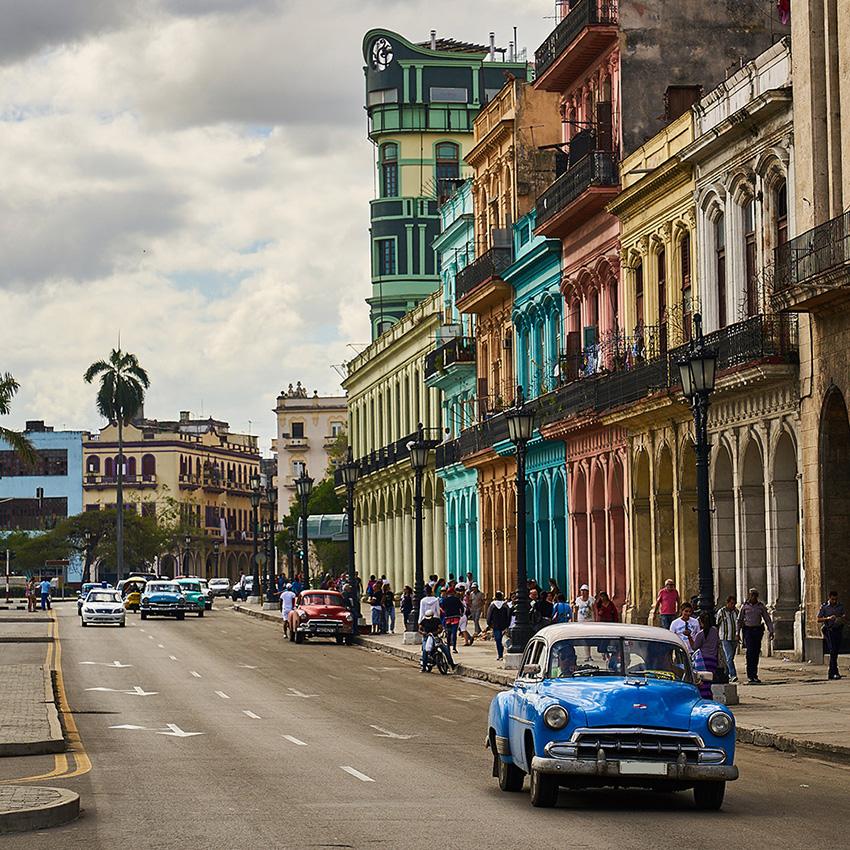
In the evolving landscape of U.S.-Cuba relations, few figures are as influential as Senator Marco Rubio. As speculation mounts regarding his potential appointment as Secretary of State in a future administration, analysts are closely examining the implications of such a move for American foreign policy toward the island nation. Rubio, a staunch advocate for a hardline approach against the Cuban regime, could fundamentally reshape diplomatic efforts in the region and elevate the stakes for Cuba. This article delves into how Rubio’s appointment could signal a shift in strategy, examining the historical context, key players, and potential outcomes as the U.S. navigates its complex relationship with Cuba.
Rubio’s Cuba Strategy: Emphasizing Human Rights and Democratic Reform
Marco Rubio’s approach to Cuba has consistently centered on the imperative of fostering human rights and encouraging democratic reform. If appointed Secretary of State, Rubio is likely to amplify his existing stance, prioritizing initiatives that hold the Cuban government accountable for its human rights violations. This could include advocating for stronger sanctions against regime officials implicated in repressive actions, as well as supporting independent media and civil society organizations that promote freedom of expression. The emphasis on human rights would serve not only as a moral imperative but also as a strategic tool to weaken the Castro regime’s grip on power.
Moreover, Rubio could leverage diplomatic channels to rally international support for Cuba’s transition to democracy. Key strategies might include:
- Engaging Regional Allies: Collaborating with Latin American nations to create a unified front on Cuban reform.
- Promoting Economic Opportunities: Encouraging U.S. businesses to invest in private enterprise in Cuba, differentiating it from state-run ventures.
- Supporting Exiled Voices: Amplifying the narratives of Cuban dissidents, ensuring their perspectives inform U.S. policy.
These strategic avenues would not only highlight human rights issues but also reposition the U.S. as a champion of democracy in a region often marred by authoritarian tendencies. A programmatic focus on reform could lead to a paradigm shift in U.S.-Cuba relations, potentially laying the groundwork for a more open and free society in Cuba.
Leveraging Diplomatic Relations: Potential Shifts in US-Cuba Engagement
The potential ascent of Marco Rubio to the role of Secretary of State could serve as a catalyst for significant changes in the United States’ approach to Cuba. Historically, Rubio has been a vocal critic of the Cuban government, advocating for a stringent stance against its leadership. If Rubio assumes this prominent diplomatic role, we could witness a recalibration of U.S.-Cuba relations characterized by several key developments:
- Heightened Sanctions: Anticipated measures to reinforce economic sanctions could further isolate the Cuban regime, aimed at pressuring it to enact democratic reforms.
- Increased Diplomatic Pressure: A more aggressive diplomatic strategy may be employed, with efforts to rally international allies against human rights abuses in Cuba.
- Support for Exiled Communities: Enhancing support for Cuban dissidents and exiled communities could reshape grassroots movements within the island.
Moreover, Rubio’s firm stance on Cuba may also result in a more pronounced emphasis on regional cooperation in Latin America. His administration could explore initiatives that foster alliances among neighboring countries, urging collective action against authoritarian regimes. Important aspects of such a strategy could include:
| Strategy | Potential Impact |
|---|---|
| Strengthening Alliances | Reinforced multilateral efforts to address Cuba’s government and its influence in the region. |
| Promoting Democracy | Increased funding for democratic initiatives in Cuba and across Latin America. |
| Regional Security Initiatives | Improved collaboration on security issues related to drug trafficking and organized crime. |
Economic Impact: The Role of Sanctions and Trade in a New Era of Diplomacy
In the evolving landscape of global diplomacy, the imposition of sanctions and changes in trade relations are critical tools that shape international interactions. Should Marco Rubio assume the role of Secretary of State, his approach to Cuba could significantly heighten the economic impact of U.S. foreign policy. Rubio is known for advocating a tough stance against the Castro regime, and his potential policies could include:
- Increased Sanctions: Broader economic restrictions targeting key sectors, including tourism and remittances, may be prioritized.
- Trade Restrictions: A push for suspending or rolling back any trade agreements that favor the Cuban government, further isolating it economically.
- Support for Dissidents: Increased financial and diplomatic support for dissidents and civil society organizations within Cuba, which could foster internal change.
The ramifications of such policies could extend beyond the island, affecting U.S. relations with other countries engaged in trade with Cuba. As sanctions tend to ripple through the global economy, nations that maintain trade ties with Cuba may find themselves navigating complex diplomatic tensions with the U.S. The following table scrutinizes the potential effects of a Rubio-led policy change on key economic indicators:
| Indicator | Before Rubio’s Policies | Potential Impact |
|---|---|---|
| U.S. Exports to Cuba | $300 million | Decrease by 50% |
| Cuban Tourism Revenue | $3 billion | Decrease by 30% |
| Cuban Remittances | $3.5 billion | Decrease by 40% |
In Summary
In conclusion, Marco Rubio’s potential appointment as Secretary of State could mark a significant turning point in U.S.-Cuba relations. With his established stance on promoting democracy and human rights on the island, Rubio is poised to escalate the stakes in diplomatic engagement, reshaping not only the nature of U.S. foreign policy toward Cuba but also how the region perceives America’s commitment to these principles. As political tensions continue to evolve, the international community will be closely watching how Rubio navigates these complexities, balancing diplomatic strategy with the aspirations of the Cuban people. Whether his approach will foster a transformative dialogue or further entrench divisions remains to be seen, but one thing is clear: the future of U.S.-Cuba relations hangs in the balance.











