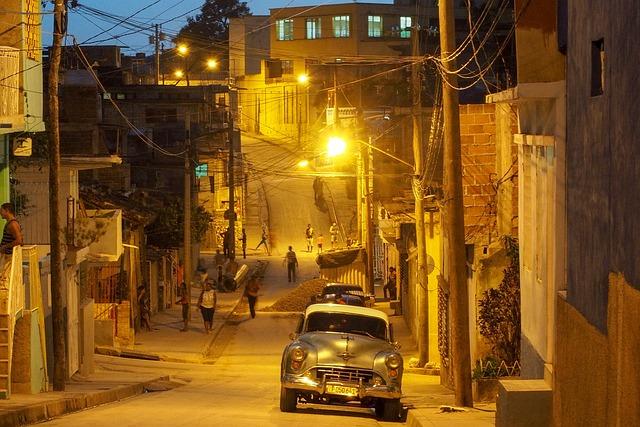
As geopolitical tensions continue to escalate in Latin America, Cuba finds itself on the brink of a potential economic crisis, largely driven by the tightening grip of U.S. sanctions on Venezuelan oil exports. With Venezuela historically being one of Cuba’s main sources of crude oil, the recent intensification of U.S. efforts to cut off this vital supply could have dire consequences for the Cuban economy, which is already grappling with significant challenges. Analysts warn that without a steady flow of Venezuelan oil, Cuba may face a severe breakdown in its energy infrastructure and widespread social unrest, further complicating its relationship with the U.S. and neighboring nations. This unfolding situation not only highlights the complex interdependencies within regional economies but also underscores the wider implications of international policy decisions on everyday lives in Cuba.
Cuba’s Economic Vulnerability Intensifies Amidst U.S. Actions Against Venezuelan Oil Trade
Cuba’s economic stability has long hinged on its alliance with Venezuela, particularly in terms of oil trade. With the recent intensification of U.S. sanctions aimed at crippling Venezuela’s oil exports, the repercussions for Cuba are becoming increasingly severe. The island nation, which relies heavily on subsidized Venezuelan oil to power its economy, is now facing heightened shortages of fuel and critical supplies. This situation is exacerbated by the collapse of domestic production capabilities, which further underscores the vulnerability of Cuba’s energy infrastructure.
As the U.S. government tightens its grip on Venezuelan oil transactions, the implications for Cuba are multifaceted. Investors and businesses are bracing for potential fallout, which includes:
- Increased black market activity: As fuel becomes scarce, the black market for oil and gas is likely to flourish, creating opportunities for illicit trade.
- Worsening economic conditions: Public services reliant on fuel, such as transportation and healthcare, may face severe disruptions.
- Heightened social unrest: The population’s frustration could result in civil discontent, challenging the government’s grip on power.
| Indicators | Status |
|---|---|
| Fuel Availability | Low |
| Domestic Oil Production | Declining |
| Economic Growth Rate | Negative |
Impact of U.S. Sanctions on Cuba’s Energy Supply Chain and Strategic Responses
The continued enforcement of U.S. sanctions against Cuba has significantly strained its energy supply chain, particularly in the context of its reliance on Venezuelan oil. As the U.S. intensifies its efforts to cut off Venezuela’s capacity to export crude oil, Cuba is finding it increasingly difficult to secure the energy resources that are essential for its economy. Key impacts of these sanctions include:
- Reduced oil imports from Venezuela, which historically provided the majority of Cuba’s crude oil needs.
- Increased energy costs for Cuban consumers and businesses, as available resources become scarcer and more expensive.
- Decommissioning of power plants due to insufficient fuel, leading to rolling blackouts and reduced productivity.
In response, Cuba has commenced several strategic measures to mitigate the fallout from these sanctions and maintain energy stability. The Cuban government is exploring partnerships with alternative oil-producing nations and investing in renewable energy projects to diversify its energy mix. Additionally, it aims to ramp up domestic oil drilling operations, albeit facing challenges due to limited technology and financial resources. Cuba’s strategies include:
- Strengthening ties with countries like Russia and Algeria for potential energy imports.
- Expanding solar and wind energy projects to decrease dependence on imported oil.
- Promoting energy conservation measures among consumers to alleviate immediate pressure on the energy grid.
Exploring Solutions: How Cuba Can Mitigate Oil Dependencies in a Shifting Geopolitical Landscape
The increasing pressure from U.S. sanctions on Venezuela poses a significant challenge for Cuba, which has relied heavily on Venezuelan crude oil for its energy needs. As the geopolitical dynamics shift and alternative sources are constrained, Cuba must explore innovative solutions to reduce its dependency on Venezuelan oil. This may involve diversifying its energy mix by investing in renewable sources such as solar and wind power, harnessing the island’s abundant sunshine and coastal winds. Additionally, fostering partnerships with countries that are not aligned with U.S. policies could help Cuba secure access to alternative fuel supplies, easing the burden of its current reliance.
Potential strategies for Cuba could include:
- Enhancing energy efficiency: Implementing programs to reduce energy consumption in both the industrial and residential sectors.
- Harnessing biofuels: Exploring opportunities in agricultural waste and dedicated energy crops to produce renewable biofuels.
- Investing in energy technology: Collaborating with international experts to improve existing energy infrastructure and introduce innovative technologies, such as energy storage systems.
In this context, a focus on domestic production and community-level initiatives can foster both resilience and sustainability. By developing a robust local energy market, Cuba can better navigate the uncertainties of its oil supply while becoming more self-sufficient in the face of external pressures.
Key Takeaways
In conclusion, as the U.S. tightens its grip on Venezuelan oil exports, Cuba stands at a crossroads, facing potential economic and social upheaval. The crumbling support from its long-time ally could catalyze a crisis that reverberates through the island’s economy and ultimately impacts its citizens. With reliance on imports to sustain its oil-dependent infrastructure, the ramifications of these sanctions could be severe, triggering public discontent and instability. Observers will be closely monitoring how the Cuban government navigates these turbulent waters, as both domestic policies and international alliances may be tested in the months ahead. As the situation unfolds, the eyes of the world will remain on Cuba, a nation grappling with the consequences of geopolitical shifts and economic challenges that threaten its very fabric.