
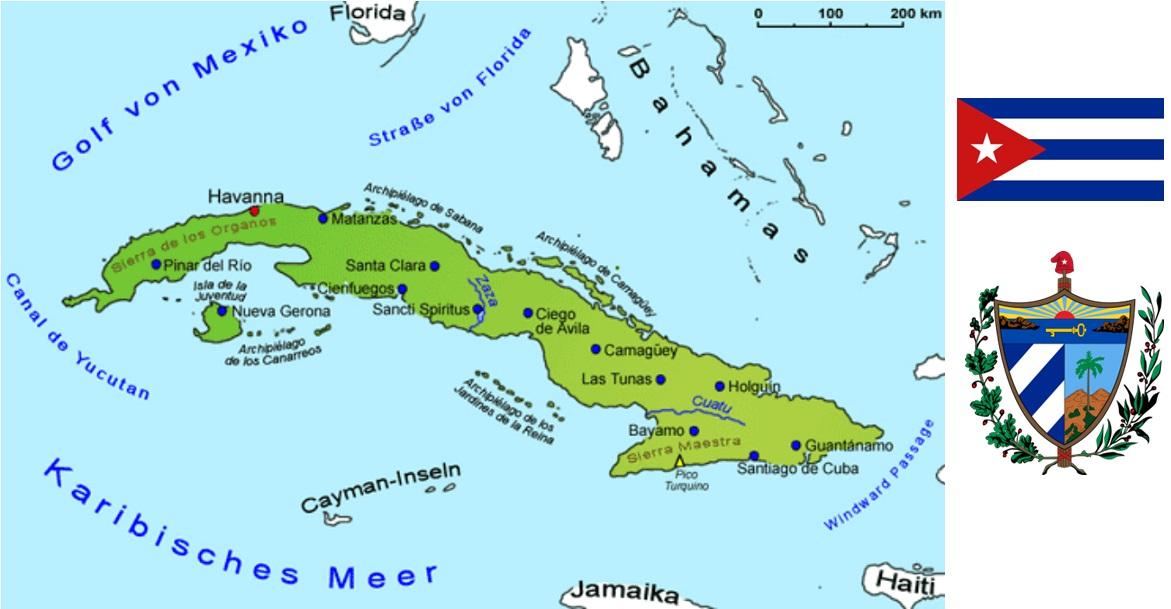
In a significant development in Cuban-American relations, the Cuban government has finalized the release of 553 prisoners, a gesture that comes amidst a backdrop of shifting U.S. policy and diplomatic maneuvering. This mass release, described as a move towards bolstering human rights and addressing criticisms from international observers, follows a turbulent period marked by a notable U-turn in the Biden administration’s approach to Cuba. As the complexities of this relationship continue to unfold, experts are analyzing the implications of Cuba’s actions, questioning the potential impact on its internal politics, and assessing how the U.S. will realign its strategies in response. This moment underscores a pivotal chapter in the ongoing dialogue surrounding democracy, justice, and cooperation between the two nations.
Cuba’s Humanitarian Gesture: A Closer Look at the Release of 553 Prisoners
Cuba’s recent decision to release 553 prisoners marks a significant and humanitarian gesture amidst shifting geopolitical tensions. This action, occurring despite unexpected setbacks from the U.S. regarding a previously agreed-upon framework, emphasizes Cuba’s commitment to reform and its desire to navigate international relations with a more open approach. Those released include individuals convicted of a variety of non-violent offenses, highlighting a broader trend of leniency within the Cuban legal system, aimed at reducing overcrowding in prisons and fostering a narrative of progressive change.
The Cuban government’s initiative has been met with a mix of optimism and skepticism among international observers. Supporters argue that these releases demonstrate progress in human rights and a commitment to reconciliation, whereas critics question the underlying motives and the consistency of the Cuban regime’s policies. The released individuals represent diverse backgrounds and stories, contributing to discussions about rehabilitation versus punishment. Their reintegration into society poses both challenges and opportunities that could influence the broader landscape of human rights in Cuba.
Implications of the US Policy Shift on Cuba’s Diplomatic Relations
The recent decision by the U.S. government to reverse certain aspects of its diplomatic engagement with Cuba has profound implications for the island nation’s international relations and internal policies. While the release of 553 prisoners signifies a shift towards reform and acknowledges the need for humanitarian considerations, this move may be overshadowed by the cooling of U.S.-Cuba relations. The diplomatic thaw initiated during the Obama administration aimed to foster engagement and economic opportunities; however, the current U.S. stance could lead to heightened tensions, impacting areas such as bilateral trade and collaborative efforts in health and security.
Moreover, the potential for increased sanctions could adversely affect Cuba’s ability to engage constructively with other nations, as foreign investments may dwindle in light of renewed U.S. hostility. Key areas that may be impacted include:
- Economic Stability: Increased pressure on the Cuban economy due to diminished trade prospects with the U.S.
- Regional Alliances: Cuba may bolster ties with countries that oppose U.S. sanctions, such as Venezuela and Russia.
- Human Rights Dialogue: The U.S. reversal may stifle meaningful discussions on human rights improvements within Cuba.
| Aspect | Potential Impact |
|---|---|
| Economic Relations | Decline in foreign investment, downturn in tourism. |
| Diplomatic Dialogue | Reduced pathways for negotiation on key issues. |
| Humanitarian Aid | Increased challenges in receiving necessary aid and support. |
Recommendations for International Engagement and Support in Post-Release Rehabilitation
The recent completion of the release of 553 prisoners in Cuba highlights the need for international engagement and support in post-release rehabilitation programs. To ensure that these individuals can reintegrate successfully into society, various strategies should be adopted, including:
- International Partnerships: Collaborate with global NGOs and governmental organizations that specialize in rehabilitation.
- Skill Development Programs: Implement vocational training tailored to local job markets to enhance employability.
- Psycho-social Support: Provide access to mental health services for emotional recovery and stability.
- Community Awareness Campaigns: Foster a supportive environment by educating the public on the importance of reintegration.
Furthermore, creating a structured framework that promotes lifelong learning and mentorship can significantly aid released prisoners in their transition back to society. Consider the establishment of initiatives that focus on:
| Initiative | Description |
|---|---|
| Community Mentorship Programs | Pair released individuals with community mentors for guidance and support. |
| Entrepreneurial Workshops | Encourage self-employment through business skills training. |
| Legal Assistance Services | Provide legal support to aid in navigating post-release conditions. |
In Retrospect
In conclusion, Cuba’s recent decision to release 553 prisoners marks a significant moment in the ongoing discourse surrounding human rights and political freedoms on the island. This development unfolds amidst a complex backdrop of shifting diplomatic relations, particularly in light of the United States’ recent reversal on a previous agreement aimed at facilitating dialogue and cooperation. As Cuba moves forward with its commitment to reform, the implications of this release will likely resonate beyond its borders, influencing regional politics and international perceptions. Observers will be closely monitoring the impacts of these changes on the broader landscape of U.S.-Cuban relations and the ongoing struggle for civil liberties within the nation. The interplay between domestic policy and international diplomacy remains a critical area of focus as both countries navigate these turbulent waters.









