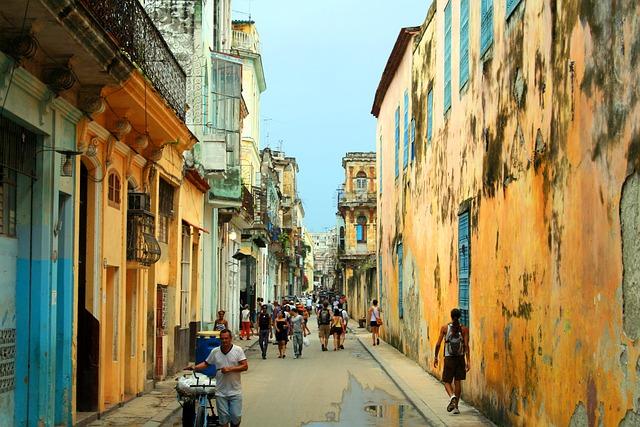
In a significant development following a prolonged power outage, Cuba has successfully restored electricity to its residents after enduring a 29-hour blackout that left much of the nation in the dark. This interruption in service comes amid ongoing challenges exacerbated by the U.S. oil blockade, a situation that has severely impacted the island’s energy resources and overall economy. Authorities reported that the outage affected numerous municipalities, prompting widespread concern and frustration among citizens. As Cuba grapples with the dual pressures of infrastructural difficulties and external sanctions, the government’s response to this power crisis sheds light on the intricate relationship between domestic energy management and international politics.
Cuba Faces Challenges in Power Restoration Amid Prolonged Blackout and Energy Crisis
Cuba is grappling with significant challenges in restoring power across the nation after enduring an extensive 29-hour blackout. This shutdown, one of the longest in recent memory, has been attributed to a combination of deteriorating infrastructure and the ongoing energy crisis exacerbated by external factors. The impact has been felt nationwide, particularly in urban areas where residents are reliant on a stable power supply for their daily activities and essential services.
Faced with these alarming disruptions, the Cuban government has outlined several key strategies to address the energy deficiencies:
- Investment in infrastructure: A commitment to upgrade and repair aging power plants.
- Diversification of energy sources: Increased emphasis on renewable energy alternatives such as solar and wind.
- Negotiations for energy imports: Efforts to secure favorable terms for oil and gas imports amidst the US blockade.
Despite these measures, the road to stability remains fraught with obstacles. Local authorities must contend not only with technical challenges but also with public discontent, as citizens express frustration over the prolonged outages and the hardships that accompany such disruptions. The current crisis is a critical turning point for Cuba, highlighting the urgent need for energy reform and resilience in the face of economic sanctions.
Impact of US Oil Blockade Intensifies Cuba’s Electrical Grid Struggles
The ongoing oil blockade imposed by the United States has compounded the already fragile state of Cuba’s electrical grid, exacerbating power shortages and amplifying the risk of long-duration blackouts. Recent events underscore this troubling trend; the island nation was plunged into darkness for nearly 29 hours, signaling the extent to which external sanctions and limited access to energy resources impact daily life. Cuban officials have cited the blockade as a significant barrier to importing necessary fuel, thereby hindering maintenance and upgrade projects that are crucial for a sustainable electrical supply. Amid this crisis, citizens have rallied to adapt, with many resorting to alternative energy sources and sharing power generators when available.
As the nation struggles to stabilize its energy situation, the implications of the blockade are starkly felt across various sectors. The rise in outages has triggered widespread discontent, with citizens demanding accountability and solutions from their government. Key factors contributing to the electrical grid’s struggles include:
- Limited fuel imports: Restrictions have severely curtailed the availability of oil necessary for power generation.
- Aging infrastructure: Much of Cuba’s electrical grid consists of outdated technology that requires urgent refurbishment.
- Increased demand: As economic conditions fluctuate, demand for electricity often surpasses the grid’s capacity.
In an effort to address these issues, the Cuban government is exploring diverse solutions, including investing in renewable energy sources. A table of current efforts outlines some initiatives:
| Initiative | Status | Expected Outcome |
|---|---|---|
| Solar Power Projects | In Progress | Increased renewable energy capacity |
| Grid Modernization | Planned | Improved reliability and efficiency |
| International Partnerships | Exploring | Access to technology and training |
While these initiatives signify a positive shift towards modernization, they require significant investment and external cooperation, both of which remain heavily influenced by the blockade’s constraints.
Strategies for Sustainable Energy Solutions in Post-Blackout Cuba
The recent power restoration in Cuba following a prolonged blackout highlights the urgent need for innovative and sustainable energy strategies to ensure long-term resilience against future outages exacerbated by geopolitical tensions, such as the ongoing U.S. oil blockade. As the island grapples with a crumbling energy infrastructure, transitioning toward renewable energy solutions is paramount. Key strategies could include:
- Investment in Solar Energy: Given Cuba’s tropical climate, solar panels can be deployed widely to harness abundant sunlight.
- Community-Based Wind Projects: Small-scale wind turbines can empower local communities while diversifying the energy mix.
- Energy Efficiency Programs: Retrofitting buildings and improving appliance efficiency can drastically reduce energy consumption.
- Decentralization of Energy Sources: Encouraging localized microgrids can enhance resilience and reduce dependency on centralized systems.
Additionally, collaboration with international organizations that prioritize sustainable development could open avenues for technological advancements and financial support. A focus on education and public awareness is also vital, ensuring that citizens understand energy conservation practices. Prospective initiatives may include:
| Initiative | Description |
|---|---|
| Public Workshops | Training sessions on sustainable living and energy conservation. |
| Incentives for Renewable Adoption | Government subsidies for installation of solar panels and wind systems. |
| Research Partnerships | Collaboration with universities for innovations in renewable technologies. |
Final Thoughts
In the wake of a devastating 29-hour blackout, Cuba has successfully restored power to its citizens, alleviating the immediate turmoil caused by the unprecedented outage. This disruption, which affected millions across the island, was exacerbated by ongoing economic challenges, including the crippling effects of the U.S. oil blockade. As the nation navigates these complex obstacles, the resilience of the Cuban people remains on display, with efforts underway to enhance the stability of its energy infrastructure. Authorities are now faced with the dual challenge of addressing the short-term fallout of the blackout while also seeking long-term solutions to mitigate future disruptions. The international community continues to watch closely as Cuba grapples with the dual pressures of external sanctions and internal demands for improved public services. The recent blackout serves as a stark reminder of the systemic vulnerabilities faced by the nation in an increasingly tumultuous geopolitical landscape.