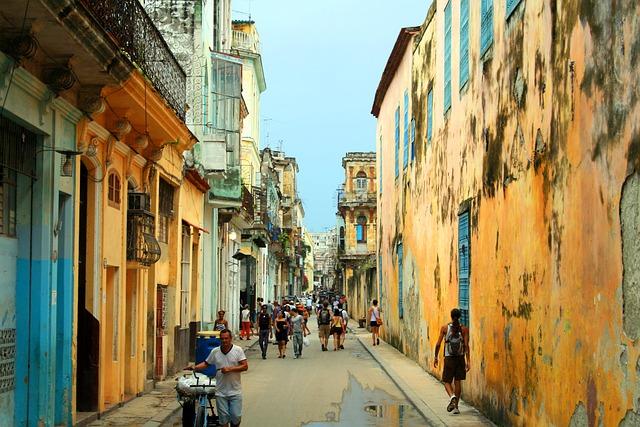
Cuba has announced a significant move in the wake of ongoing diplomatic discussions with the United States, revealing plans to release more than 2,000 prisoners. This decision comes at a pivotal moment as both nations engage in talks aimed at improving relations and addressing longstanding issues that have defined their complex history. While the Cuban government has characterized the release as an effort to foster goodwill and promote a more open society, critics remain skeptical about the motivations behind the gesture. As the world watches closely, this development marks a noteworthy chapter in U.S.-Cuba relations, with implications that could resonate far beyond the island’s shores.
Cuba’s Strategic Prisoner Release as a Gesture of Goodwill in U.S. Negotiations
Cuban authorities have announced the release of over 2,000 prisoners, a move seen as a significant gesture toward improving relations with the United States amid ongoing diplomatic negotiations. This strategic decision comes in the context of a broader initiative aimed at fostering dialogue and building trust between the two nations. By freeing these individuals, many of whom are believed to be political prisoners or those imprisoned for lesser offenses, Cuba is not only projecting an image of reform but also signaling its willingness to compromise in exchange for potential economic and humanitarian incentives from the U.S.
In light of this development, the prisoner release can be analyzed through various lenses, including its impact on domestic governance and international relations. Observers have noted several key points regarding this initiative:
- Human Rights Perspective: The release may alleviate international criticism regarding Cuba’s human rights record.
- Negotiation Leverage: It provides Cuba with a bargaining chip in discussions over sanctions and re-engagement with the global community.
- Internal Dynamics: The move could be an effort to address public discontent and unrest within the population.
Implications for Human Rights and Political Reforms in Cuba
The decision to release over 2,000 prisoners reflects a significant, albeit cautious, shift in Cuba’s approach to human rights and political reforms. This move comes amidst ongoing negotiations with the United States, suggesting an urgency to create a more favorable international image. Critics argue that while this release signals potential openings, it may also be a tactic to quell dissent and appease foreign observers without enacting substantive changes. The regime’s history of selectively granting freedoms complicates the interpretation of such gestures, leaving civil society within Cuba to question the sincerity behind these measures.
For any genuine reform to take root, there must be a broader commitment to the rule of law and accountability. The Cuban government has the opportunity to engage with stakeholders in civil society and embrace dialogue. Key elements that need attention include:
- Abolishing laws that criminalize dissent: Reforming legislation that stifles free speech and assembly.
- Establishing independent judicial processes: Ensuring that the judiciary operates without governmental interference.
- Encouraging civic participation: Fostering a culture where citizens can freely express their political opinions and participate in governance.
| Focus Area | Current Status | Reform Needed |
|---|---|---|
| Political Prisoners | High number in detention | Release and amnesty |
| Freedom of Speech | Severely restricted | Abolish censorship laws |
| Civic Organizations | Restrained operations | Encourage independent NGOs |
Potential Pathways for Enhanced U.S.-Cuba Relations Through Ongoing Dialogue
In the wake of Cuba’s decision to release over 2,000 prisoners, the ongoing dialogue between the U.S. and Cuba highlights the potential for improved diplomatic relations. This move could serve as a significant confidence-building measure, paving the way for further discussions on various critical issues. The following points illustrate opportunities for enhanced collaboration and understanding:
- Human Rights Improvements: Ongoing discussions can focus on the protection of human rights, facilitating mutual understanding and addressing concerns from both sides.
- Economic Cooperation: Increased trade opportunities could be explored, promoting economic growth in both nations and fostering a sense of partnership.
- Cultural Exchange Programs: Initiatives promoting cultural diplomacy can help to bridge gaps and create a shared platform for dialogue within the communities.
- Security Collaboration: Joint efforts in combatting drug trafficking and other security threats can bolster regional stability and promote safety for both countries.
Furthermore, the U.S. and Cuba can establish a joint task force to address mutual concerns and interests, facilitating a structured approach to dialogue. This task force could focus on key areas such as:
| Area of Focus | Possible Initiatives |
| Trade Relations | Tariff reduction discussions |
| Education Exchanges | Student and teacher programs |
| Public Health | Collaborative health research and vaccination efforts |
| Environmental Issues | Joint conservation programs and disaster response planning |
By leveraging these potential avenues for dialogue, U.S.-Cuba relations can evolve into a constructive partnership focusing on shared goals and sustainable solutions that benefit both countries and their citizens.
In Summary
As Cuba prepares to release over 2,000 prisoners, the move underscores the potential for diplomatic thawing amid ongoing discussions with the United States. This significant action may not only reshape the landscape of U.S.-Cuba relations but also reflects broader human rights considerations that have long been at the forefront of international dialogue. As negotiations continue, both nations stand at a pivotal juncture that could lead to sustained engagement and mutual understanding. Observers will be closely watching how this development unfolds and what it may signal for the future of bilateral relations.