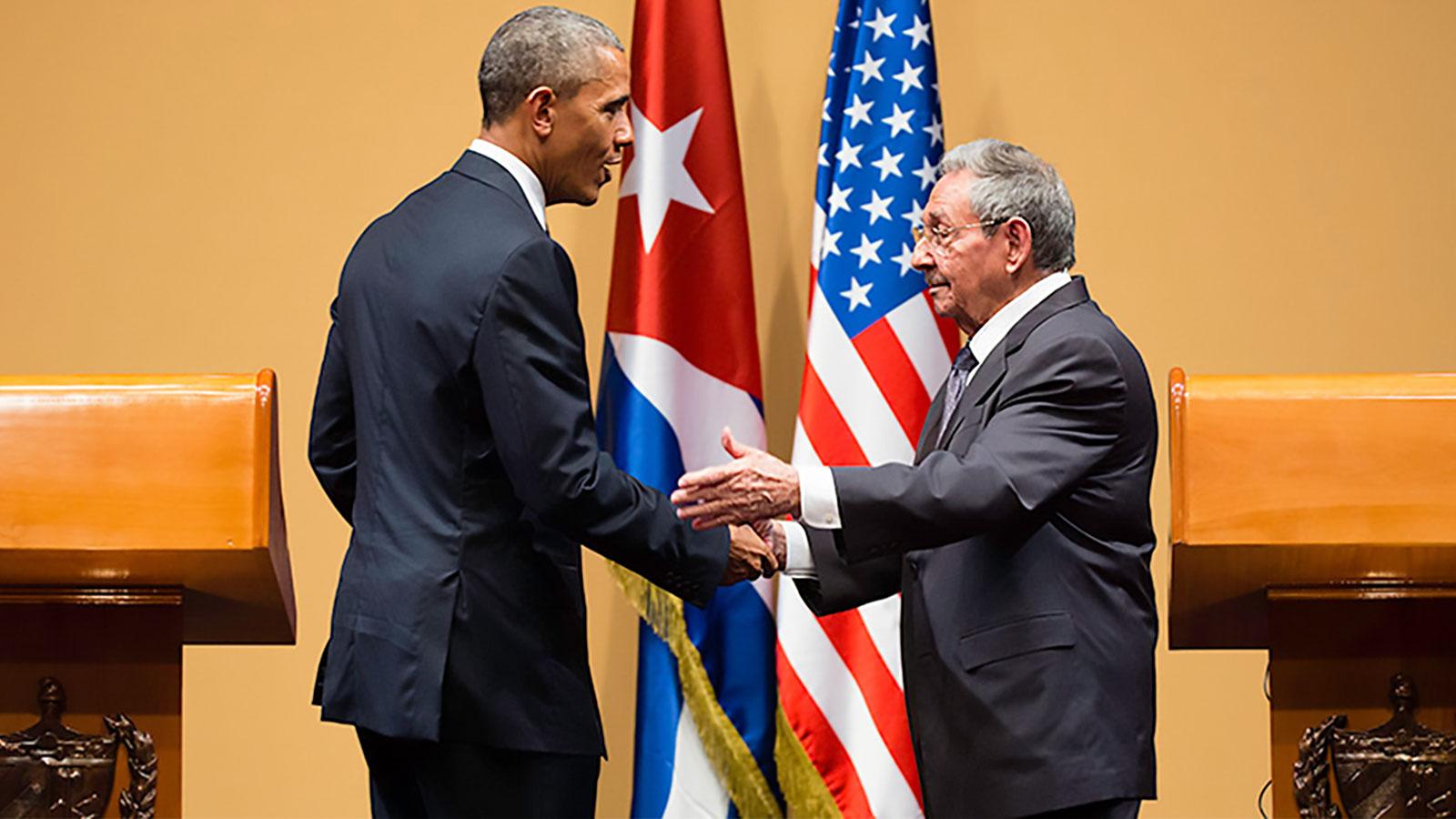
In an era marked by shifting geopolitical landscapes and evolving diplomatic norms, U.S.-Cuban relations stand at a critical juncture. The Quincy Institute for Responsible Statecraft argues for a pragmatic engagement strategy that transcends decades of hostility and animosity between the two nations. This article explores the complexities of U.S.-Cuban relations and advocates for a realist approach that prioritizes dialogue and cooperation over isolation and conflict. In light of recent developments, understanding the benefits of re-establishing meaningful ties with Cuba has never been more urgent, as both countries confront shared challenges and opportunities in a rapidly changing world. From economic ties to regional security, the case for a new diplomatic paradigm is compelling, and the implications could be transformative for both nations.
Building Bridges: The Case for Diplomatic Engagement with Cuba
In an era marked by geopolitical tensions and economic uncertainty, rekindling U.S.-Cuban relations presents a pragmatic approach that could yield substantial benefits for both nations. Engaging with Cuba offers a unique opportunity to foster stability in the Caribbean and enhance regional security. By prioritizing diplomatic channels over isolationist policies, the U.S. can promote American interests while addressing humanitarian concerns. The potential gains from this engagement are manifold:
- Economic Opportunities: Increased trade and investment could rejuvenate the Cuban economy, benefiting U.S. businesses and investors.
- Security Cooperation: Collaboration on issues such as drug trafficking and climate change can provide mutual security advantages.
- Human Rights Advances: By engaging in a constructive dialogue, the U.S. can encourage improvements in human rights conditions in Cuba.
Moreover, a pragmatic approach embraces the reality of Cuba’s resilience and unique political landscape. Diplomatic engagement could foster people-to-people exchanges that promote cultural understanding and mutual respect. This could be further enhanced by:
| Engagement Strategies | Potential Outcomes |
|---|---|
| Academic Partnerships | Strengthened educational ties and knowledge sharing. |
| Tourism Initiatives | Increased economic benefits and cultural exchange. |
| Joint Environmental Efforts | Collaborative approaches to address climate challenges. |
Navigating Economic Opportunities: Trade, Investment, and Mutual Benefits
The ongoing evolution of U.S.-Cuban relations presents a landscape rich with potential for mutual economic growth. By fostering closer ties, both nations stand to gain from a collaborative approach. A strategic focus on trade can unlock new markets, enhance job creation, and stimulate innovation. Increased investment, particularly in sectors such as tourism, agriculture, and renewable energy, may yield significant dividends. American businesses are poised to explore the unique opportunities presented by the Cuban market, while Cuba can benefit from technological advancements and infrastructure improvements provided by U.S. firms.
To better understand the potential pathways for cooperation, consider the following key areas of economic interaction:
- Tourism: The influx of American tourists can greatly benefit the Cuban economy, promoting cultural exchange and local entrepreneurship.
- Agriculture: Opportunities for joint ventures in sustainable farming practices can enhance food security in Cuba while providing U.S. companies access to new supply chains.
- Renewable Energy: Collaborations in solar and wind energy can help Cuba address its energy needs and provide U.S. firms with valuable experience in emerging markets.
| Sector | U.S. Benefits | Cuba Benefits |
|---|---|---|
| Tourism | Increased revenue | Job creation |
| Agriculture | Market access | Food security |
| Renewable Energy | Innovation leadership | Energy independence |
Addressing Human Rights: A Path Forward Through Constructive Dialogue
Engaging in constructive dialogue on human rights is not merely a diplomatic nicety but a critical step towards fostering a more stable relationship between the U.S. and Cuba. By prioritizing open discussions, both nations can address longstanding grievances and, more importantly, work collaboratively towards social and political reforms. This engagement can take place through various avenues, such as:
- Multilateral Forums: Utilizing international platforms to discuss human rights issues and share best practices.
- Cultural Exchange Programs: Encouraging collaborative projects that highlight human rights advocacy.
- Educational Initiatives: Promoting academic exchanges to foster understanding of diverse perspectives on rights and governance.
The potential benefits of such dialogue are manifold, aiming at creating an environment where human rights are respected and advanced. Key strategies could include:
| Strategy | Objective |
|---|---|
| Inclusivity in Discussion | Engage civil society and grassroots organizations to amplify local voices. |
| Monitoring Mechanisms | Establish independent bodies to assess human rights conditions transparently. |
| Incentivizing Reforms | Create policies that reward progress in human rights practices. |
By implementing these strategies, both nations can build trust and confidence, paving the way for a sustainable partnership rooted in mutual respect and shared values. Collaborative efforts aimed at improving human rights will ultimately contribute to regional stability, helping to address broader issues that affect both countries.
In Retrospect
In conclusion, the evolving landscape of U.S.-Cuban relations presents a unique opportunity for diplomatic engagement grounded in realism and pragmatism. As outlined by the Quincy Institute for Responsible Statecraft, a shift towards constructive dialogue rather than confrontation could yield benefits for both nations, fostering stability in the region and addressing long-standing grievances. With a focus on mutual respect and realistic assessments of each other’s interests, the potential for collaboration in areas such as public health, climate change, and trade remains significant. As policymakers contemplate the future of these relations, embracing a pragmatic approach could not only alleviate tensions but also pave the way for a more cooperative and prosperous bilateral relationship. The path forward requires courage and vision, but the rewards may well justify the effort as both countries seek to find common ground in an increasingly complex global landscape.