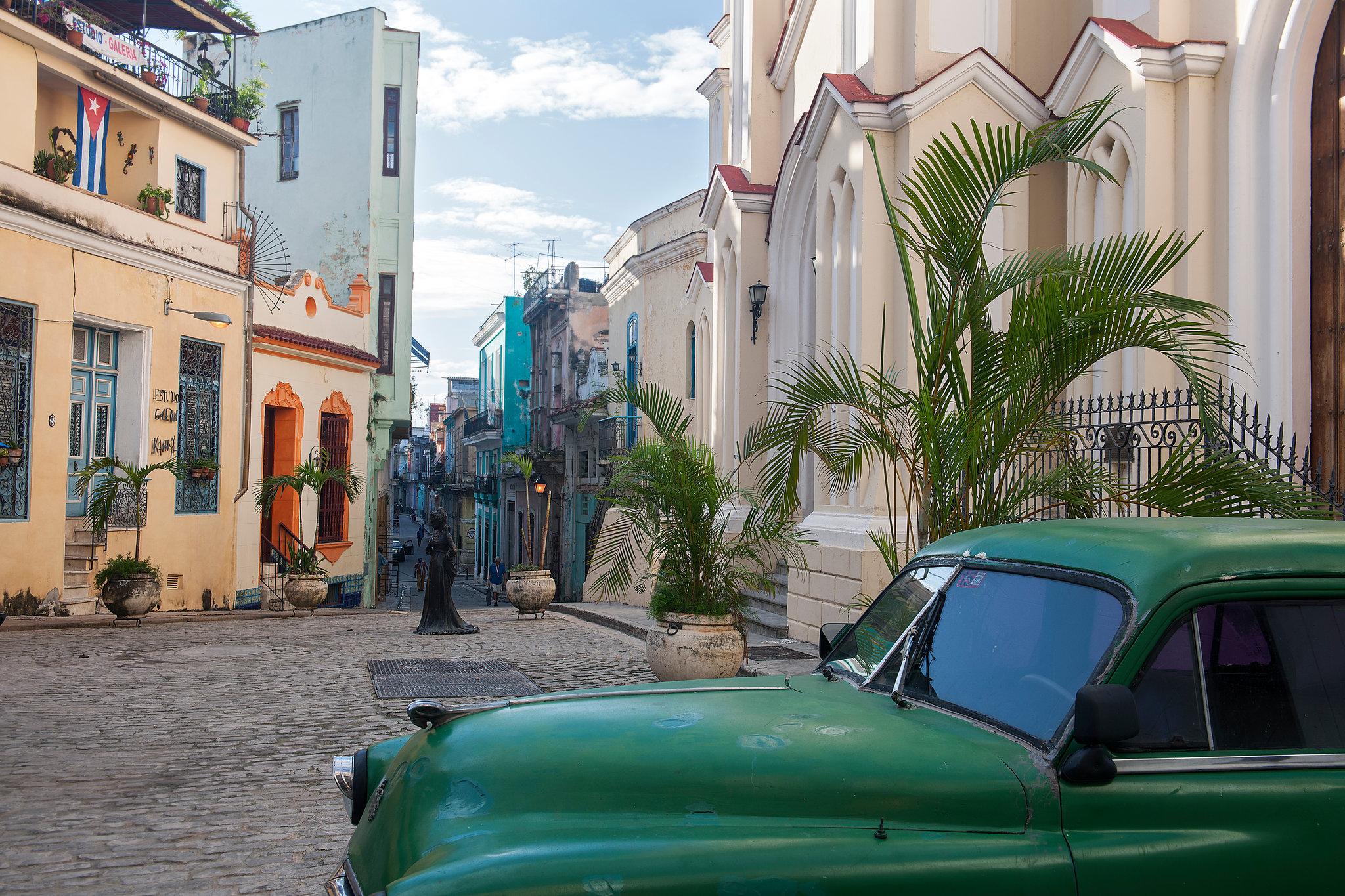
In a significant policy shift, the United States has reinstated stringent travel bans and financial sanctions against Cuba, marking a decisive step that redefines diplomatic ties between the two nations. This action comes amid ongoing concerns over human rights violations and political repression on the island, as the Biden administration seeks to reaffirm its stance on matters of governance and civil liberties. The renewed restrictions, which target various sectors including tourism and remittances, are expected to have far-reaching implications for both American citizens and the Cuban economy. As the ripple effects of these changes unfold, stakeholders within the travel industry, government officials, and advocacy groups are bracing for the impact of this sweeping measure. In this article, we delve into the details of the reinstated policies, their anticipated consequences, and the broader geopolitical context surrounding this controversial decision.
US Reinstates Travel Restrictions Impacting Cuban Tourism Industry
The recent decision by the United States government to reinstate strict travel restrictions has sent shockwaves through the Cuban tourism industry, which has been gradually recovering since the previous easing of sanctions. Now, with a renewed focus on enforcing financial constraints, American citizens face limitations in travel, specifically aimed at discouraging private tourism to the island. This policy shift intends to curb revenue flows to the Cuban government and its affiliated entities, impacting both travelers and local businesses that had started to benefit from increased visitation.
Cuba’s hospitality sector, which had started to adapt and flourish with tourists eager to explore its vibrant culture and breathtaking landscapes, is likely to experience a significant downturn. Key measures from the reinstated restrictions include:
- Prohibition on individual educational trips, which were previously a popular way to engage with the Cuban community.
- A ban on certain financial transactions tied to the island’s burgeoning private leasing sector.
- Reinstatement of a travel ban for specific individuals linked to human rights abuses.
These actions not only challenge Cuba’s economic stability but also affect the livelihoods of countless families and entrepreneurs who have increasingly relied on tourism as a source of income.
Financial Sanctions Intensify as US Government Reassesses Diplomatic Relations
The renewed travel ban and financial sanctions on Cuba mark a significant pivot in U.S. foreign policy that reflects a broader reassessment of diplomatic relations with the island nation. The administration’s decision to implement these strict measures comes amid ongoing concerns over human rights violations and the government’s actions that undermine democratic processes in Cuba. Officials have emphasized the need for accountability as they aim to apply pressure on the Cuban government, steering clear of any policies perceived as enabling oppression or hindrance to freedoms. This drastic approach has raised questions regarding the economic impact on Cuban citizens, who often rely on remittances and tourism for their livelihoods.
As the U.S. tightens its grip on financial transactions, many are concerned about the implications for those seeking to travel to Cuba for business or familial connections. The new sanctions include a host of measures designed to limit financial flows to the Cuban military and government entities. Key points of the travel and sanctions policy include:
- Revocation of specific travel licenses that previously allowed for educational and cultural exchanges.
- Increased restrictions on remittances sent from Americans to their families in Cuba.
- Enhanced scrutiny of transactions involving Cuban state-owned enterprises.
Expert Recommendations on Navigating New Travel Policies and Sanctions
As the recent reinstatement of strict travel bans and financial sanctions on Cuba unfolds, experts advise travelers to stay informed and proactive in their planning. Key recommendations include:
- Stay Updated: Regularly check official government websites for the latest travel advisories and policy changes.
- Consult Travel Experts: Working with experienced travel agents or consultants who specialize in Cuba can provide insights into navigating the complexities of the new regulations.
- Document Your Intentions: Be prepared to demonstrate the purpose of your travel, as authorities may scrutinize tourist intentions more closely now.
Additionally, understanding the implications of these policies on financial transactions and travel logistics is crucial. Consider the following:
| Factor | Impact |
|---|---|
| Flights | Availability may be limited; check for carriers operating under the new rules. |
| Banking Services | Transactions to and from Cuba could face delays or rejections; explore alternative payment methods. |
| Insurance Coverage | Verify if your travel insurance covers scenarios related to new sanctions. |
To Wrap It Up
In conclusion, the reinstatement of strict travel bans and financial sanctions on Cuba marks a significant shift in U.S. policy, reflecting the current administration’s stance on foreign relations and human rights issues. As the impact of these measures unfolds, travelers, businesses, and citizens alike will need to navigate a new landscape of restrictions and regulations. With Cuba’s economy heavily reliant on tourism and international trade, the long-term implications of these sanctions could have profound effects on the island’s future. Moving forward, stakeholders will be closely monitoring the situation, as both countries grapple with the consequences of this policy change in an ever-evolving geopolitical landscape. As always, we will continue to provide updates and insights on this critical issue affecting travel and diplomatic relations between the U.S. and Cuba.