
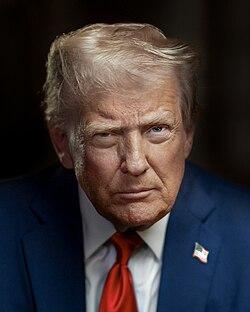
As political tensions continue to simmer in the Caribbean, the spotlight is back on Cuba, raising pressing questions about the future of the island nation and the implications for U.S. foreign policy. In the wake of severe economic struggles exacerbated by the ongoing pandemic and systemic governance challenges, the Cuban regime faces an unprecedented crisis that could lead to its collapse. With former President Donald Trump teasing potential re-engagement strategies amidst the chaos, experts at the American Enterprise Institute (AEI) are examining whether Trump is prepared to respond effectively to a radically transformed landscape in Cuba. This article delves into the complexities of Cuba’s current predicament and assesses the readiness of U.S. leadership, past and present, to navigate the potentially tumultuous aftermath of a regime shift in Havana.
Assessing the Implications of Cuba’s Potential Collapse on U.S. Foreign Policy
The potential collapse of Cuba’s government poses significant challenges for U.S. foreign policy, particularly in the context of regional stability and U.S.-Cuba relations. As the island struggles with economic hardship and political unrest, the implications extend beyond its borders, potentially triggering a wave of migration and increasing influence from external powers like Russia and China. American policymakers must consider how best to respond to a sudden political vacuum that could emerge, which might ignite tensions within the Caribbean and Latin America. Key considerations for U.S. strategy include:
- Managing refugee flows: An exodus of Cubans seeking asylum in the U.S. could overwhelm immigration systems.
- Countering foreign influence: A power vacuum may invite increased engagement from rival nations.
- Supporting democratic transitions: The U.S. could play a role in promoting a democratic movement if Cuba’s government falters.
To navigate these complexities, the U.S. may need to develop a comprehensive plan that involves not only immediate humanitarian assistance but also long-term strategies aimed at fostering stability in the region. Policymakers will need to engage with allies in the Americas to create a unified response, enhancing diplomatic pressure on any regime that may attempt to exploit Cuba’s instability. This approach should consider potential strategies such as:
| Strategy | Description |
|---|---|
| Regional Cooperation | Collaborate with Latin American nations on monitoring developments and migration. |
| Diplomatic Engagement | Promote dialogue with new leadership in Cuba to support democratic reforms. |
| Humanitarian Aid | Prepare to provide immediate assistance to Cubans affected by instability. |
Strategies for U.S. Engagement: Navigating the Post-Collapse Landscape in Cuba
As Cuba faces unprecedented economic and political challenges following its collapse, the United States is presented with a pivotal moment wherein strategic engagement can shape the future of the island. Building alliances with civil society organizations in Cuba could cultivate a foundation for democratic reforms, as these groups often have grassroots support and a genuine interest in fostering change. Additionally, leveraging humanitarian assistance can alleviate the suffering of the Cuban people, creating goodwill towards the U.S. It’s essential to prioritize initiatives that focus on health care, food security, and education-sectors that can directly impact quality of life and potentially expose the failures of the current regime.
To effectively navigate this post-collapse landscape, the U.S. must also consider maintaining robust diplomatic channels with key regional actors. This involves reassessing relations with countries like Mexico and Brazil to form a coordinated approach for a shared future in Cuba. Fostering dialogue and collaboration within multinational frameworks can amplify the pressure on Havana while ensuring that any transitions respect the sovereignty and aspirations of the Cuban people. Furthermore, creating an economic outreach program that supports private entrepreneurship in Cuba can ignite local economies and diminish the heavy reliance on state-controlled enterprises.
Economic and Humanitarian Considerations for a New Approach to Cuba
The economic landscape of Cuba has been under immense strain, exacerbated by the stringent sanctions and the ongoing U.S. policy towards the island. To forge a new path, it is imperative for policymakers to recognize key areas of economic opportunity that could stimulate growth while promoting humanitarian relief. Engaging with local entrepreneurs and supporting small business initiatives may provide a pathway to revitalization. The lifting or easing of certain sanctions, especially those affecting agricultural exports and medical supplies, could offer immediate relief to the Cuban population, fostering a more sustainable and resilient economy. The potential for trade in renewable energy, tourism, and tech sectors represents an avenue that could be explored to reintegrate Cuba into the global economy responsibly.
Humanitarian concerns must also be at the forefront when developing strategies for future engagement. The Cuban healthcare system, while renowned for its achievements, faces significant shortages of supplies and resources. American assistance, such as direct aid in medical supplies, educational programs, and partnerships with Cuban institutions, could alleviate critical shortages. Furthermore, enhancing cultural exchanges and facilitating dialogue between citizens could foster a greater understanding, breaking down decades of mistrust. By prioritizing both economic reasoning and humanitarian aid, a more comprehensive and effective approach to U.S.-Cuba relations can emerge, ultimately benefitting both nations.
In Conclusion
In conclusion, the potential collapse of Cuba’s communist regime poses significant implications for U.S. foreign policy and President Trump’s approach to the island nation. As the situation in Cuba remains fluid, the administration’s strategy must balance humanitarian concerns with the opportunities for diplomatic engagement and economic reform. The stakes are high, not just for the Cuban people but also for the broader geopolitical landscape in Latin America. As observers await Trump’s next moves, the unfolding events in Cuba will undoubtedly continue to shape the discussions surrounding U.S.-Cuba relations and the future of democracy in the region. The American Enterprise Institute will continue to monitor these developments closely, offering analysis and insights as the situation evolves.









