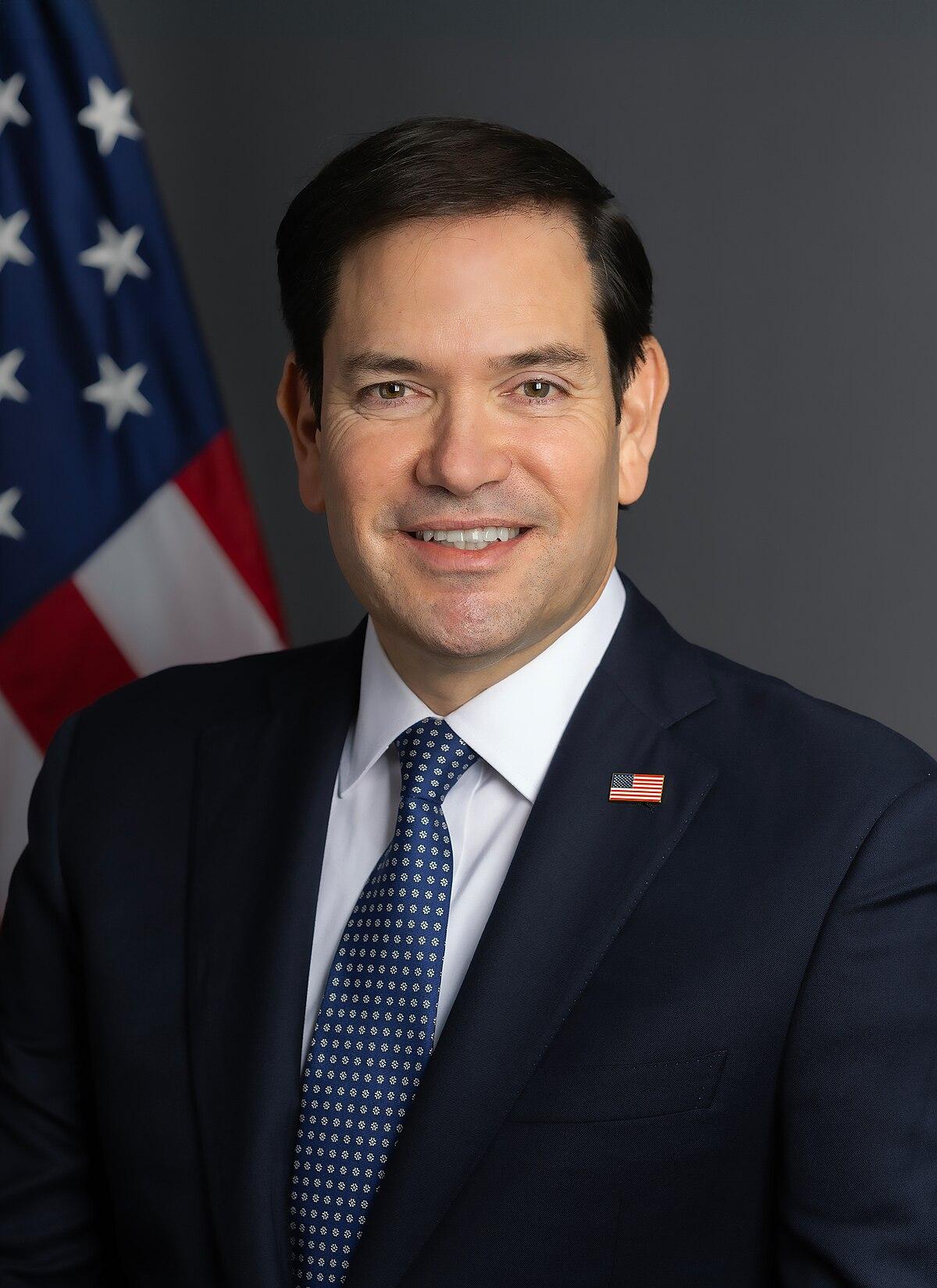
In the intricate realm of U.S.-Cuba relations, Senator Marco Rubio emerges as a pivotal figure, known for his outspoken criticism of the Cuban government and his unwavering support for a stringent policy towards Havana. His dedication to advocating for human rights and democratic principles in Cuba has struck a chord with many, especially within the Cuban-American community. However, as the political landscape shifts under former President Donald Trump’s unpredictable governance, questions arise regarding the future direction of U.S. policy toward Cuba. Trump’s unconventional foreign policy approach adds an element of uncertainty to U.S.-Cuba relations. This article delves into Rubio’s enduring opposition to the Castro regime alongside Trump’s erratic methods, exploring how their interplay may redefine America’s engagement with Cuba moving forward.
Rubio’s Commitment to Democracy and Human Rights in Cuba
Marco Rubio’s critical perspective on the Cuban government has substantially influenced his political trajectory and shaped his foreign policy stance regarding Latin America. His advocacy is deeply personal; as a child of Cuban immigrants who escaped from Castro’s oppressive rule, he feels a profound connection that informs his proposals aimed at countering authoritarianism in Havana. Rubio consistently promotes measures such as imposing sanctions on Cuban officials, supporting dissidents fighting for freedom, and initiatives designed to enhance free speech within Cuba—reflecting a broader commitment that resonates with segments of American voters concerned about human rights.
As political dynamics evolve,particularly under Trump’s unpredictable leadership style,Rubio’s influence remains notable but faces new hurdles. Initially aligned with Trump’s hardline rhetoric on Cuba, there have been instances where Trump exhibited signs of pragmatic engagement that complicate bipartisan efforts concerning Cuban-American relations. The fluctuating narratives surrounding U.S.-Cuba policies create uncertainty not only for those living in America but also for Cubans themselves. Key areas warranting attention include:
- Sanctions Policy: The debate between enforcing stricter restrictions versus pursuing diplomatic thaw.
- Human Rights Advocacy: Whether it will be prioritized or sidelined based on geopolitical considerations.
- Economic Engagement: Balancing commercial opportunities against potential support for an authoritarian regime.
Trump’s Variable Approach: Politics and Economic Sanctions Regarding Cuba
The trajectory of Donald Trump’s policies towards Cuba has often resembled a series of unexpected turns influenced by both personal beliefs and strategic calculations. Early during his presidency, he aimed to reverse President Obama’s efforts at normalizing relations with Havana by tightening economic sanctions while restricting travel options and remittances—a move partly motivated by pressure from influential figures like Marco Rubio among other prominent Cuban-Americans.
This inconsistent approach raises concerns not just about future interactions between Washington and Havana but also about broader regional implications stemming from these policies. By emphasizing human rights issues as justification for isolating the Castro government internationally while appealing to anti-communist sentiments among supporters back home, Trump’s administration adopted an aggressive stance that had tangible effects on everyday Cubans’ lives.
The repercussions extend beyond mere rhetoric; increased sanctions have exacerbated hardships faced by ordinary citizens while drawing criticism from humanitarian organizations advocating diplomatic solutions instead. As international dynamics continue shifting, analysts express concern, suggesting that without coherent long-term strategies guiding policymaking efforts toward resolution progress may remain elusive.
Key aspects characterizing this approach include:
- Tighter Sanctions: Implementing more stringent measures against businesses linked directly or indirectly with military interests in Cuba.
- Lesser Travel Opportunities: Restricting American citizens’ ability to visit or engage economically within island borders.
- A Focused Human Rights Agenda: Elevating discussions around human rights violations as rationale behind tougher stances taken against authorities governing there.
Strategies For A New Era In U.S.-Cuban Relations: Recommendations For Policymakers
The Biden administration aims at redefining its relationship with Cuba through balanced approaches prioritizing dialogue without sacrificing essential democratic values inherent within its framework—emphasizing constructive engagement over isolationist tactics should be paramount moving forward:
- Diplomatic Channels Restoration: Reinstating embassy operations alongside high-level discussions focused primarily upon pressing matters such as economic reform coupled alongside respect towards fundamental freedoms enjoyed universally across nations worldwide;
Additionally:
- Civil Society Support Initiatives: Increasing funding directed towards independent entrepreneurs operating autonomously inside country borders along NGOs working tirelessly advocating change internally;
A nuanced perspective must also guide sanction-related decisions made henceforth including:
- Evaluating Existing Restrictions :Reassessing current limitations imposed upon populace ensuring minimal harm inflicted upon ordinary citizens
- Encouraging Economic Independence :Collaboratively engaging international partners promoting gradual lifting contingent upon substantive reforms enacted by governing bodies
- Leveraging Technology :Facilitating facts flow enabling Cubans access digital tools connecting them globally empowering advocacy movements
Looking Ahead: The Future Of U.S.-Cuban Relations
As we navigate through evolving political landscapes influencing bilateral ties between Washington D.C.,and Havana ,the roles played respectively by key figures like Marco Rubio & Donald Trump remain crucial focal points .While Rubios steadfast opposition reflects deep-rooted commitments toward democracy/human rights ,Trumps variable strategies introduce layers complexity perhaps reshaping relationships unpredictably.
The outcome hinges largely upon how these influences manifest nationally impacting millions residing both inside/outside island nation . As developments unfold closely monitoring interplay amongst various forces will prove essential understanding ramifications likely reverberate far beyond immediate diplomatic circles affecting lives profoundly across communities involved .
- Encouraging Economic Independence :Collaboratively engaging international partners promoting gradual lifting contingent upon substantive reforms enacted by governing bodies