
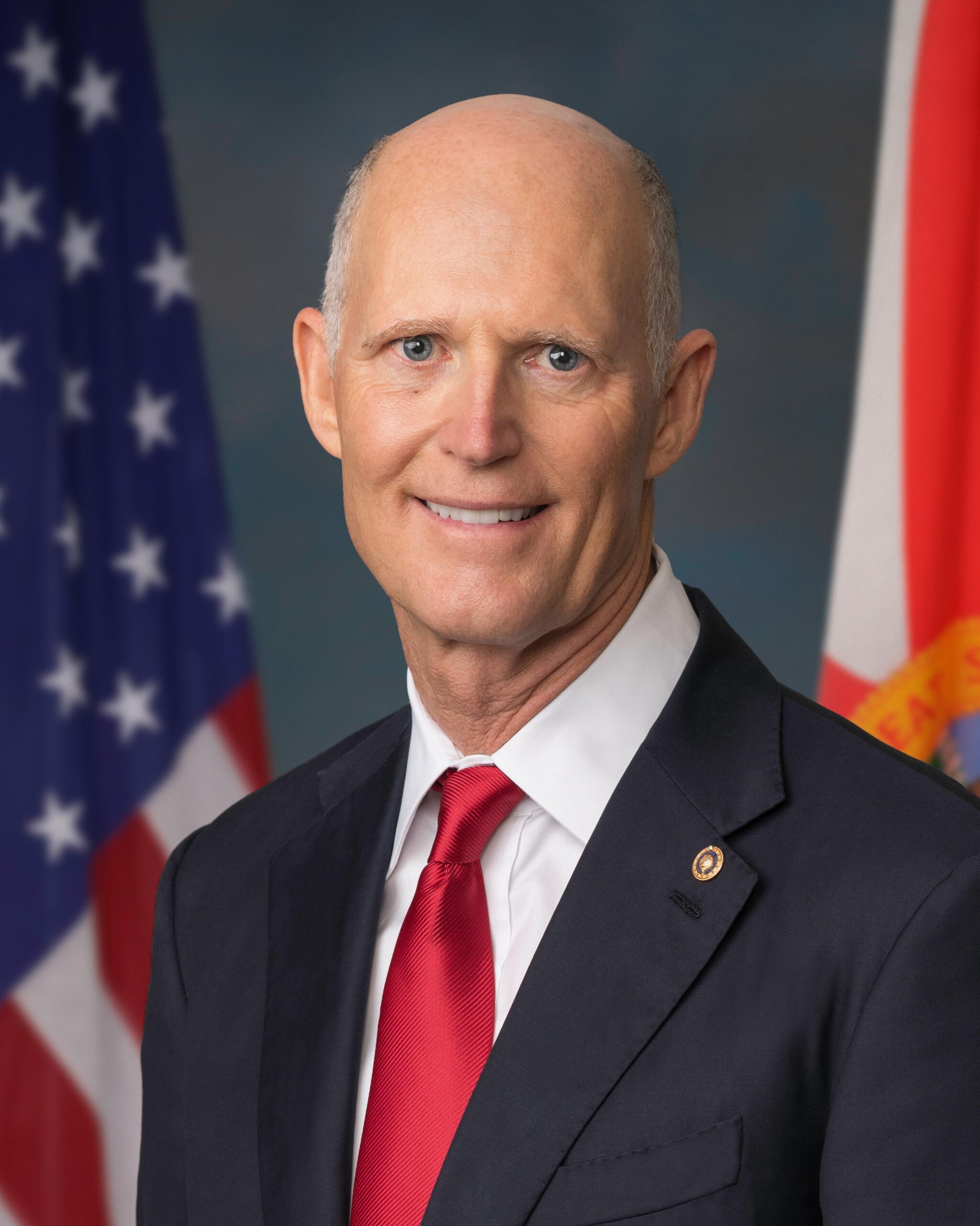
In a potent display of political concern, Florida Senator Rick Scott has issued a stern warning to President Joe Biden regarding the potential removal of Cuba from the U.S. State Department’s list of state sponsors of terrorism. Citing the island nation’s long history of supporting anti-American activities and its ties to regimes that undermine democratic values, Scott’s remarks come amidst ongoing discussions about U.S.-Cuba relations. As the Biden administration weighs its options in revamping foreign policy toward the communist nation, Scott’s staunch opposition highlights the complexities surrounding Cuba’s designation and the broader implications for Florida’s Cuban-American community and U.S. national security. This article delves into Scott’s arguments, the historical context of Cuba’s designation, and the potential ramifications of any changes in U.S. policy.
Rick Scott Urges Caution as Biden Considers Cuba’s Terrorism Designation
In a bold statement reflecting his concerns over potential changes in U.S. foreign policy, Florida Senator Rick Scott has urged the Biden administration to maintain Cuba’s designation as a state sponsor of terrorism. Scott emphasizes the need for caution, given the ongoing human rights abuses and support for oppressive regimes that the Cuban government has historically provided. He argues that removing this designation could send a dangerous signal to oppressive governments worldwide, undermining U.S. credibility in its commitment to uphold democratic values and support for freedom-loving people.
Highlighting specific incidents that illustrate Cuba’s troubling activities, Scott points to the regime’s collaboration with international terrorist organizations as a core reason to uphold the current designation. He asserts that any attempt to soften the U.S. stance could lead to increased instability in the region and embolden hostile actors. In a recent statement, he outlined key points that underpin his argument:
- Continued Human Rights Violations: The Cuban government has a long track record of repressing dissent and silencing opposition.
- Support for Terrorist Groups: Cuba has historically aided and sheltered those involved in terrorism.
- Regional Security Risks: Softening the designation could embolden not just Cuba, but other adversarial nations.
Impact of Cuba’s Removal from Terrorism List on Florida’s Political Landscape
The potential removal of Cuba from the U.S. state sponsor of terrorism list could significantly reshape Florida’s political landscape, especially given the state’s substantial Cuban-American population. This demographic has long-held strong anti-communist sentiments, largely due to their ancestral ties, which means implications for policies affecting Cuba resonate deeply within the community. Lawmakers like Senator Rick Scott are vocally opposed to any such moves by the Biden administration, warning that it could exacerbate human rights abuses on the island and undermine U.S. efforts to promote democracy. This sentiment aligns with a broader caution among other Florida Republicans who fear that easing restrictions may empower the Cuban government rather than lead to meaningful change.
The impact of this decision may also reverberate through upcoming elections, particularly as candidates vie for the Cuban-American vote, which has historically skewed Republican. Politicians may adopt more hardline stances and capitalize on fears of regime support through their rhetoric and policy proposals. Points of discussion may include:
- Human Rights Concerns: Emphasizing the need to maintain pressure on the Cuban government.
- Voting Behavior: Anticipating how community sentiment shifts may influence election outcomes.
- Collaboration Measures: Evaluating potential bipartisan initiatives for a unified stance.
This political milieu could create a battleground where candidates will have to navigate the intricacies of foreign policy while remaining sensitive to the historical context that drives their constituents’ views. In a state where the Cuban-American vote could swing electoral results, the stakes have never been higher.
Recommendations for U.S. Policy on Cuba Amid Growing Tensions
As tensions between the United States and Cuba continue to escalate, it is crucial for policymakers to reassess their approach toward the island nation. The Biden administration must prioritize a strategy that facilitates dialogue while ensuring national security and human rights advocacy. Recommendations for U.S. policy should include:
- Maintaining the Terrorism Designation: Keeping Cuba on the state sponsor of terrorism list can serve as a critical tool for influencing Cuban government behavior, particularly in relation to its support for various guerrilla groups in Latin America.
- Increased Diplomatic Engagement: Establishing channels for dialogue can help in addressing mutual concerns without compromising U.S. values and interests.
- Promoting Human Rights: Providing support to Cuban civil society groups that advocate for political freedoms and human rights can strengthen the internal resistance against the regime.
- Tailored Sanctions: Instead of broad sanctions that hurt the Cuban population, the U.S. could implement narrowly tailored sanctions aimed at specific government officials and entities.
Moreover, fostering economic partnerships could prove beneficial in creating a more stable environment that discourages authoritarian practices. An approach that combines pressure with incentives may facilitate reforms while preventing further deterioration of U.S.-Cuba relations. Key areas to focus on include:
| Area of Focus | Potential Benefits |
|---|---|
| Healthcare Cooperation | Enhanced healthcare outcomes and potential pharmaceutical collaborations. |
| Environmental Initiatives | Joint efforts in climate change and conservation can build mutual trust. |
| Cultural Exchanges | Promoting people-to-people connections can help bridge political divides. |
The Conclusion
In conclusion, Senator Rick Scott’s firm stance against the potential removal of Cuba from the State Sponsor of Terrorism list underscores the ongoing tensions between U.S. policymakers and the Cuban government. As discussions unfold in Washington, lawmakers are increasingly aware of the implications such a decision could have on both national security and the lives of Cubans seeking freedom from oppression. Scott’s warnings reflect a broader sentiment among many in Congress who view the Cuban regime’s actions as incompatible with America’s values and interests. As this issue continues to develop, it remains a pivotal point for both political discourse and U.S.-Cuba relations, inviting scrutiny and debate from various stakeholders. The coming weeks may prove critical in determining the path forward, as advocates on all sides weigh the potential impacts of any policy shifts.









