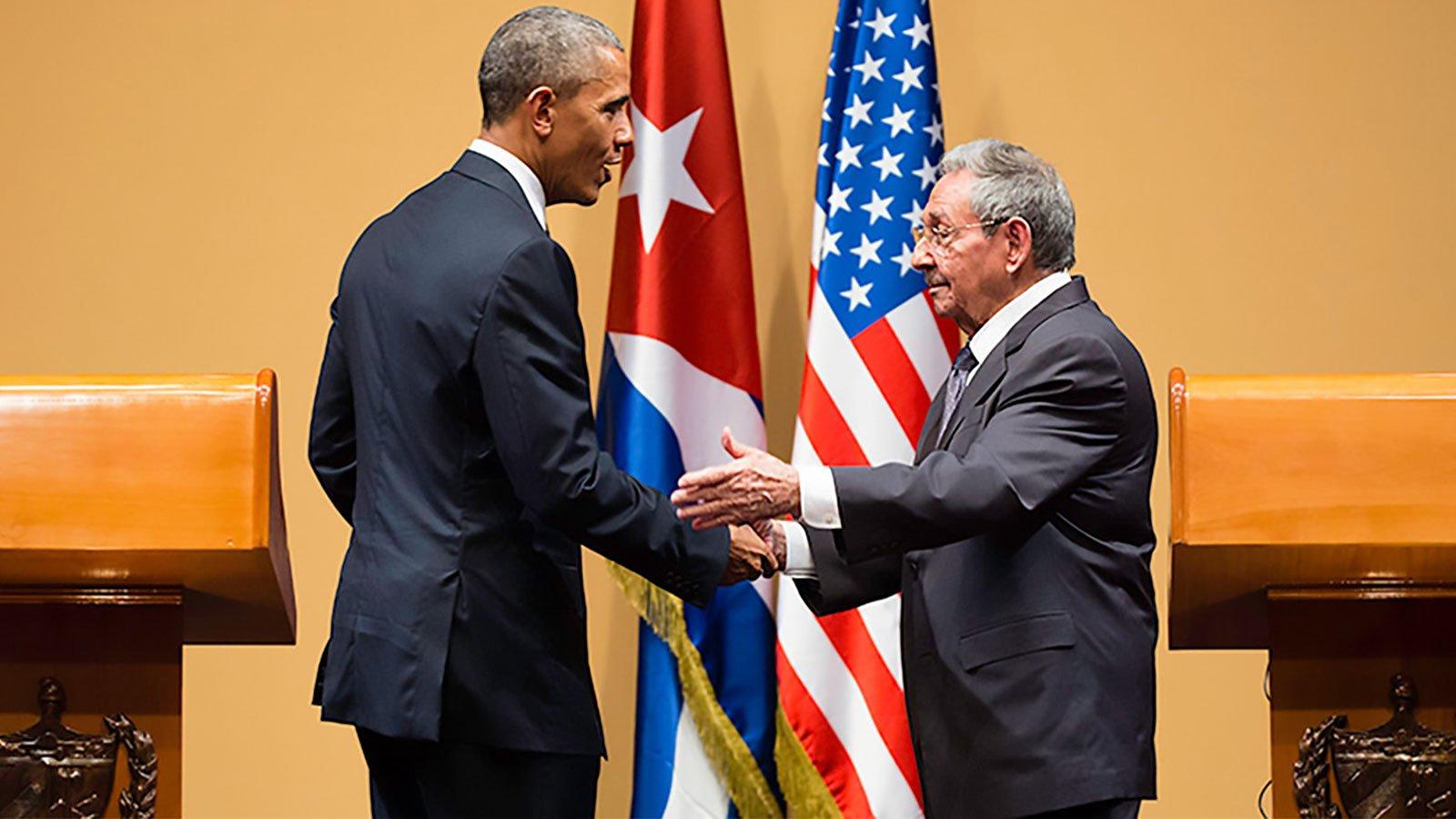
Reassessing US-Cuba Relations: Navigating a Complex Diplomatic Landscape
The relationship between the United States and Cuba has long been marked by tension and intricacy. As both nations find themselves at a pivotal moment, recent efforts to enhance diplomatic and economic connections have stalled, prompting speculation about the future of their interactions. While there is an increasing chorus advocating for improved relations amid evolving political climates in both countries, longstanding grievances and differing priorities continue to obstruct progress. This article explores the current deadlock, analyzing contributing factors, potential risks, and implications for both nations as well as the broader region.
Political Divide Hinders US-Cuba Engagement
The diplomatic stalemate between Washington and Havana has intensified due to deepening political divisions within the United States. Despite sporadic attempts at dialog, initiatives aimed at fostering closer ties have been thwarted by rigid stances from both sides. The Biden administration has expressed openness to engagement; however, it faces important resistance from conservative groups that oppose normalization efforts while advocating for continued sanctions against Cuba’s government. On the other hand, Cuban authorities remain wary of U.S. intentions as they confront their own domestic challenges.
Several key elements contribute to this standstill:
- Domestic Political Climate: The polarization within U.S. political factions complicates establishing a unified foreign policy approach toward Cuba.
- Economic Sanctions Impact: Persistent sanctions not only exacerbate economic difficulties in Cuba but also fuel nationalistic sentiments among its populace.
- Human Rights Issues: Ongoing U.S. scrutiny regarding human rights practices in Cuba complicates any attempts at diplomatic outreach.
Additionally, both countries are navigating an increasingly intricate geopolitical environment characterized by shifting dynamics across Latin America—where support for Cuba is gaining traction amid a resurgence of leftist governments in several nations. This evolving context necessitates careful diplomacy if there is any hope of rekindling constructive dialogue.
Unlocking Economic Potential Through Renewed Diplomacy
The stagnation in relations between the U.S.and Cuba presents unique economic opportunities that could be realized through revitalized diplomatic engagement. With pressing economic challenges facing both nations, there exists mutual interest in exploring collaborative avenues that could yield substantial benefits for each side. Key areas ripe for cooperation include:
- Tourism Progress: Increased tourism from the U.S.,which would provide essential revenue streams for Cuban businesses while benefiting American travel sectors.
- Trade Expansion: Easing certain trade restrictions could facilitate American investments in agriculture and technology sectors—enhancing commerce on both sides.
- Crossover Healthcare Initiatives: Partnerships focused on healthcare can improve medical services available in Cuba while creating opportunities for American pharmaceutical firms.
- Sustainability Projects: Collaborative environmental initiatives addressing climate change can foster innovation alongside investment opportunities.
The potential benefits of enhancing these economic ties are underscored by recent analyses suggesting that improved relations might lead to significant outcomes such as:
| Plausible Economic Growth Rate | Potential Increase in Bilateral Trade Volume | Plausible Job Creation Figures |
|---|---|---|
| >5% annually | $1 billion over 5 years | >50k jobs |
The considerable rewards associated with strengthening these economic connections warrant immediate attention from policymakers on both sides of the Florida Straits.
As they stand poised at this crossroads of prospect,
the pursuit of diplomacy may not only alleviate existing tensions but also unlock vast prospects for prosperity among citizens across America and Cuba alike.
Strategies For Progress In US-Cuba Dialogue
A comprehensive strategy must be adopted if stakeholders wish to transcend current barriers hindering US-Cuban relations.
This approach should build upon previous dialogues while addressing contemporary issues effectively.
Main recommendations include:
- Cultural Exchange Initiatives: Launch programs promoting artistic collaboration alongside educational exchanges designed to cultivate mutual respect along with understanding.
- Economic Cooperation: Foster joint ventures particularly within tourism & agriculture allowing shared benefits leading towards increased interdependence overall.
- Candid Human Rights Discussions: Establish open channels facilitating honest conversations surrounding human rights ensuring grievances acknowledged without becoming obstacles towards cooperation overall .
- Economic Cooperation: Foster joint ventures particularly within tourism & agriculture allowing shared benefits leading towards increased interdependence overall.
Furthermore ,both parties should prioritize frameworks supporting lasting dialogues integratinglong-term strategies focusing on :
| Strategy | Description |
|---|---|
| Regular Summits | Establish biannual meetings assessing progress addressing emergent issues . |
| Trade Initiatives | Create pilot projects testing innovative agreements benefiting economies . |
| Public Diplomacy <tdUtilize social media outreach reshaping narratives engaging citizens across borders . |