Even Cuban authorities have admitted that drugs have become a problem [Getty Images]
Previously, even suggesting that Cuba had a problem with opioids and street gangs – especially to a foreign journalist – could land you in difficulties.
The Cuban authorities have always been fiercely protective of their island’s reputation as crime-free and quick to point out that the its streets are demonstrably safer than those of most cities in the US. Anything that highlights Cuba’s social problems is generally painted as biased criticism of their socialist system or as anti-revolutionary fabrications originating from Miami or Washington.
However, such has been the public perception of a worsening crime rate, a perception shared by many Cubans on social media, that the authorities have openly addressed it on state television.
In August, an edition of nightly talk programme Mesa Redonda – in which Communist Party officials are invited on air to deliver the party line – was titled Cuba Against Drugs.
During the broadcast, Colonel Juan Carlos Poey Guerra, the head of the interior ministry’s anti-drug unit, acknowledged the existence, production and distribution of the new drug, químico, and its impact on Cuba’s youth. He insisted the authorities were tackling the issue.
In another edition, on crime, the government denied the situation was worsening, claiming only 9% of crimes in Cuba were violent and just 3% were murders.
However, critics question the transparency of the government’s statistics and say there’s no independent oversight of the bodies which produce them or the methodologies they use.
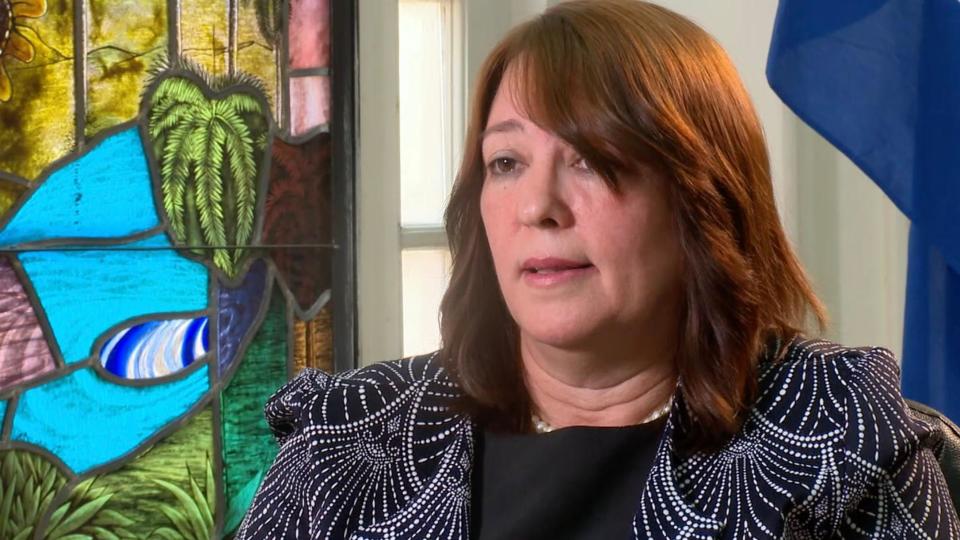
Supreme Court Vice-President Maricela Sosa Ravelo told the BBC people still trust Cuban authorities to maintain law and order [BBC]
For its part, the government largely blames the old enemy, the United States, for both the existence of synthetic opioids in Cuba and for the decades-long US economic embargo on the island which they say is the reason some Cubans have resorted to crime.
In a rare interview, the vice-president of Cuba’s Supreme Court, Maricela Sosa Ravelo, told the BBC the problem was being blown out of proportion on social media. She refuted the suggestion that many crimes go unreported through a lack of public confidence in the police.
“In my 30 years as a judge and magistrate, I don’t think that the Cuban people lack confidence in their authorities,” she claimed, speaking inside the ornate Supreme Court building.
“In Cuba, the police have a high success rate in solving crimes. We don’t see people taking the law into their own hands – which happens in other parts of Latin America and elsewhere – which suggests the population trusts in the Cuban justice system,” she argued.
Again, though, that wasn’t the experience of another recent victim of opportunistic theft on Havana’s dimly lit streets.
Shyra is a transgender activist who is used to speaking out about rights in Cuba. She says that her story, of being robbed by a man brandishing a knife one evening, is common.
But it was the police response which disillusioned her the most.
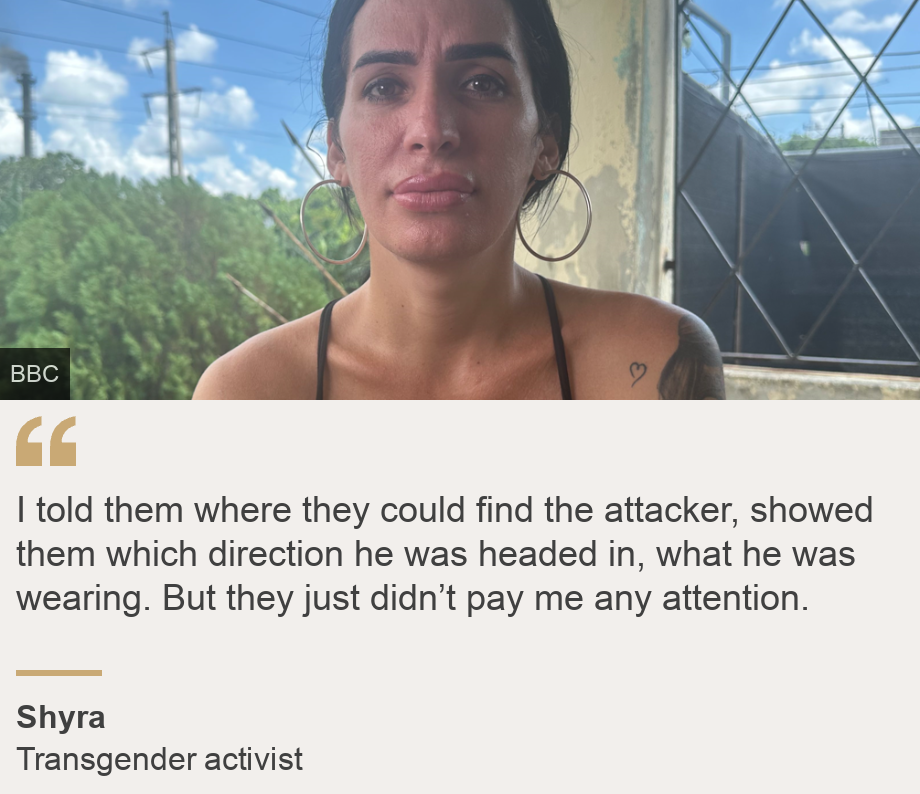
“I told them where they could find the attacker, showed them which direction he was headed in, what he was wearing. But they just didn’t pay me any attention.”, Source: Shyra, Source description: Transgender activist, Image: Shyra, transgender activist
“Just after I was attacked, I came across two motorcycle police in a side street,” Shyra recalls. Despite her obvious distress, the police ignored her pleas for help, she says.
“They openly told me: ‘We’re not here for stuff like that.’ It was such a shocking thing to hear because I told them where they could find the attacker, showed them which direction he was headed in, what he was wearing. But they just didn’t pay me any attention.”
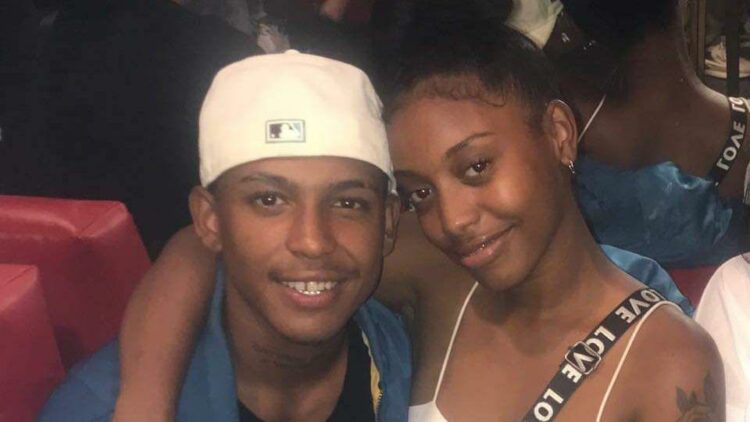
In the small apartment she shares with her mother, Samantha González watches videos of her younger brother’s wake. A crowd of Jan Franco’s friends appeared outside his home and began singing the songs which he’d produced before his fledgling music career was cut short.
As his coffin was loaded onto the hearse, the mourners fell silent, except for the soft murmur of weeping and prayer.
Buried with him, and every young victim of violence on the island, is another piece of Cuba’s claim to be the world’s safest nation.

Source link : http://www.bing.com/news/apiclick.aspx?ref=FexRss&aid=&tid=66f396b498a4489cad07feb523c44dcc&url=https%3A%2F%2Fwww.yahoo.com%2Fnews%2Fviolence-getting-hand-crime-grips-012623256.html&c=17869078237446273015&mkt=en-us
Author :
Publish date : 2024-09-24 14:26:00
Copyright for syndicated content belongs to the linked Source.